
Saudi Arabia intercepts drones from Iran-backed groups as Gulf energy risks keep markets on edge

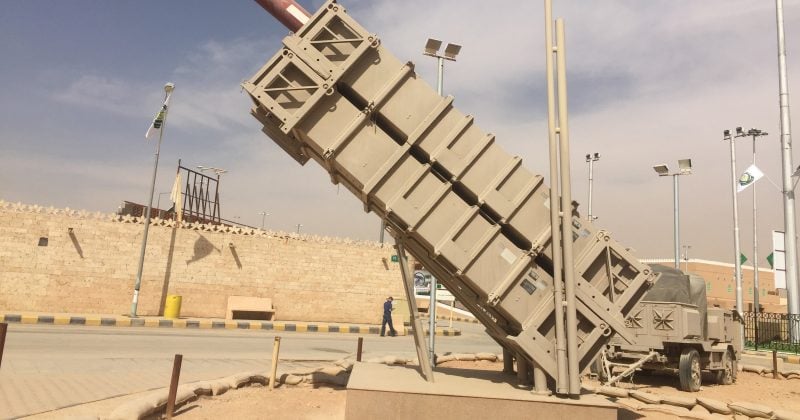
Photo: Qrmoo3 / Wikimedia Commons / CC BY-SA 4.0 (https://creativecommons.org/licenses/by-sa/4.0)

Saudi Arabia intercepts drones from Iran-backed groups as Gulf energy risks keep markets on edge

The latest drone attack on Saudi petroleum infrastructure had no immediate market impact, but the growing frequency of these incidents is quietly reshaping how traders think about geopolitical risk premiums.

Saudi Arabia’s air defenses shot down multiple drones targeting oil facilities and the area around Riyadh on July 27, with the kingdom’s Defense Ministry pointing the finger squarely at Iran-backed militias operating out of Iraqi territory. No damage, no casualties.

What happened and why it matters

Saudi Defense Ministry spokesman Major General Turki al-Maliki confirmed the interceptions and made clear that the kingdom “reserves the right to respond.” The drones were aimed at petroleum infrastructure in Saudi Arabia’s Eastern Province, the nerve center of the country’s oil production, along with targets near the capital.

This wasn’t an isolated event. It follows an earlier interception of three drones from Iraqi airspace back on May 17-18, 2026. Saudi Arabia has repeatedly urged Iraq to prevent its territory from being used as a launchpad for these attacks. Iraq, for its part, has denied direct involvement while pledging cooperation.

Advertisement

The attacks have escalated since late February 2026, when tensions in the region ratcheted up. Iranian proxy groups are increasingly comfortable using drones to poke at Gulf energy infrastructure, expanding the conflict beyond traditional Houthi missile strikes originating from Yemen.

The crypto and energy market angle

No immediate spikes occurred in crude oil prices or reactions in crypto trading venues following the July 27 incident. Supply wasn’t disrupted. Production continued.

What investors should actually watch

Three things deserve close monitoring. First, watch for any shift in Iraqi policy that either cracks down on or tacitly enables militia drone operations from its territory. Baghdad’s position has been ambiguous, and any clarification in either direction would be significant.

Second, pay attention to Saudi Arabia’s response calculus. Al-Maliki’s language about reserving the right to respond is standard diplomatic phrasing, but an actual military retaliation against targets in Iraq would be a major escalation.

Third, the energy supply picture matters for context. If these attacks coincide with OPEC production decisions or seasonal demand shifts, the market impact could be amplified beyond what the physical damage, if any, would suggest.

Disclosure: This article was edited by Editorial Team. For more information on how we create and review content, see our Editorial Policy.

Saudi Arabia intercepts drones from Iran-backed groups as Gulf energy risks keep markets on edge

Saudi Arabia intercepts drones from Iran-backed groups as Gulf energy risks keep markets on edge

The latest drone attack on Saudi petroleum infrastructure had no immediate market impact, but the growing frequency of these incidents is quietly reshaping how traders think about geopolitical risk premiums.

Photo: Qrmoo3 / Wikimedia Commons / CC BY-SA 4.0 (https://creativecommons.org/licenses/by-sa/4.0)

Saudi Arabia’s air defenses shot down multiple drones targeting oil facilities and the area around Riyadh on July 27, with the kingdom’s Defense Ministry pointing the finger squarely at Iran-backed militias operating out of Iraqi territory. No damage, no casualties.

What happened and why it matters

Saudi Defense Ministry spokesman Major General Turki al-Maliki confirmed the interceptions and made clear that the kingdom “reserves the right to respond.” The drones were aimed at petroleum infrastructure in Saudi Arabia’s Eastern Province, the nerve center of the country’s oil production, along with targets near the capital.

This wasn’t an isolated event. It follows an earlier interception of three drones from Iraqi airspace back on May 17-18, 2026. Saudi Arabia has repeatedly urged Iraq to prevent its territory from being used as a launchpad for these attacks. Iraq, for its part, has denied direct involvement while pledging cooperation.

Advertisement

The attacks have escalated since late February 2026, when tensions in the region ratcheted up. Iranian proxy groups are increasingly comfortable using drones to poke at Gulf energy infrastructure, expanding the conflict beyond traditional Houthi missile strikes originating from Yemen.

The crypto and energy market angle

No immediate spikes occurred in crude oil prices or reactions in crypto trading venues following the July 27 incident. Supply wasn’t disrupted. Production continued.

What investors should actually watch

Three things deserve close monitoring. First, watch for any shift in Iraqi policy that either cracks down on or tacitly enables militia drone operations from its territory. Baghdad’s position has been ambiguous, and any clarification in either direction would be significant.

Second, pay attention to Saudi Arabia’s response calculus. Al-Maliki’s language about reserving the right to respond is standard diplomatic phrasing, but an actual military retaliation against targets in Iraq would be a major escalation.

Third, the energy supply picture matters for context. If these attacks coincide with OPEC production decisions or seasonal demand shifts, the market impact could be amplified beyond what the physical damage, if any, would suggest.

Disclosure: This article was edited by Editorial Team. For more information on how we create and review content, see our Editorial Policy.