
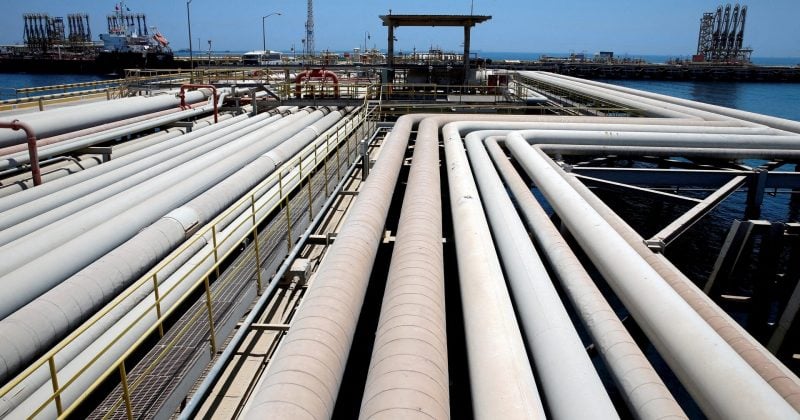
Saudi Aramco negotiates rerouting crude oil around Africa as Houthi attacks escalate

Saudi Aramco negotiates rerouting crude oil around Africa as Houthi attacks escalate

Brent crude surges past $98 per barrel as Red Sea shipping disruptions force major oil producers to consider costly alternative routes

Two Asian oil refiners are in active discussions with Saudi Aramco about rerouting crude shipments the long way around Africa, a move that would add up to a month to delivery times and further strain an already jittery global energy market. The talks come after Houthi militants escalated attacks on tankers in the Red Sea, turning one of the world’s most critical shipping lanes into something closer to a gauntlet.

Brent crude has climbed above $98 per barrel, up more than 33% in just a month.

What’s actually happening in the Red Sea

The Bab el-Mandeb Strait, a narrow chokepoint connecting the Red Sea to the Gulf of Aden, has become increasingly dangerous for commercial shipping. Three Saudi oil tankers recently reversed course in the strait after receiving direct warnings from Houthi forces against approaching Saudi ports.

Advertisement

The two unnamed Asian buyers are now exploring alternatives with Aramco. Options on the table include sourcing crude from Egypt’s Sidi Kerir port on the Mediterranean coast, or using pipeline infrastructure that connects Red Sea oil hubs at Ain Sokhna to Mediterranean export terminals. Both workarounds avoid the Bab el-Mandeb entirely.

Rerouting around the Cape of Good Hope adds roughly a month to the journey from the Persian Gulf to Asian refineries.

Saudi Aramco has declined to comment on the negotiations, and no final agreements have been reached as of late July 2026.

A disruption that keeps getting worse

Houthi disruptions in the Red Sea started in late 2023, and significant volumes of crude that previously transited through the Suez Canal corridor have been diverted around the Cape of Good Hope over the past two and a half years.

The pipeline alternatives through Egypt offer a partial solution, but they have capacity constraints. The SUMED pipeline, which runs from Ain Sokhna on the Red Sea to Sidi Kerir on the Mediterranean, can handle around 2.5 million barrels per day at full capacity.

What this means for markets and investors

Brent above $98 puts it within striking distance of the psychologically important $100 level. For energy investors, tanker companies are in a notable position: longer routes mean more vessel-days per cargo, which tightens the global fleet and supports freight rates.

Traders should watch whether negotiations between Aramco and its Asian buyers produce formal agreements to shift volumes away from the Red Sea on a semi-permanent basis, which would signal a structural change in global oil logistics with lasting implications for shipping costs, refining margins, and ultimately the price consumers pay at the pump.

Disclosure: This article was edited by Editorial Team. For more information on how we create and review content, see our Editorial Policy.

Saudi Aramco negotiates rerouting crude oil around Africa as Houthi attacks escalate

Saudi Aramco negotiates rerouting crude oil around Africa as Houthi attacks escalate

Brent crude surges past $98 per barrel as Red Sea shipping disruptions force major oil producers to consider costly alternative routes

Two Asian oil refiners are in active discussions with Saudi Aramco about rerouting crude shipments the long way around Africa, a move that would add up to a month to delivery times and further strain an already jittery global energy market. The talks come after Houthi militants escalated attacks on tankers in the Red Sea, turning one of the world’s most critical shipping lanes into something closer to a gauntlet.

Brent crude has climbed above $98 per barrel, up more than 33% in just a month.

What’s actually happening in the Red Sea

The Bab el-Mandeb Strait, a narrow chokepoint connecting the Red Sea to the Gulf of Aden, has become increasingly dangerous for commercial shipping. Three Saudi oil tankers recently reversed course in the strait after receiving direct warnings from Houthi forces against approaching Saudi ports.

Advertisement

The two unnamed Asian buyers are now exploring alternatives with Aramco. Options on the table include sourcing crude from Egypt’s Sidi Kerir port on the Mediterranean coast, or using pipeline infrastructure that connects Red Sea oil hubs at Ain Sokhna to Mediterranean export terminals. Both workarounds avoid the Bab el-Mandeb entirely.

Rerouting around the Cape of Good Hope adds roughly a month to the journey from the Persian Gulf to Asian refineries.

Saudi Aramco has declined to comment on the negotiations, and no final agreements have been reached as of late July 2026.

A disruption that keeps getting worse

Houthi disruptions in the Red Sea started in late 2023, and significant volumes of crude that previously transited through the Suez Canal corridor have been diverted around the Cape of Good Hope over the past two and a half years.

The pipeline alternatives through Egypt offer a partial solution, but they have capacity constraints. The SUMED pipeline, which runs from Ain Sokhna on the Red Sea to Sidi Kerir on the Mediterranean, can handle around 2.5 million barrels per day at full capacity.

What this means for markets and investors

Brent above $98 puts it within striking distance of the psychologically important $100 level. For energy investors, tanker companies are in a notable position: longer routes mean more vessel-days per cargo, which tightens the global fleet and supports freight rates.

Traders should watch whether negotiations between Aramco and its Asian buyers produce formal agreements to shift volumes away from the Red Sea on a semi-permanent basis, which would signal a structural change in global oil logistics with lasting implications for shipping costs, refining margins, and ultimately the price consumers pay at the pump.

Disclosure: This article was edited by Editorial Team. For more information on how we create and review content, see our Editorial Policy.