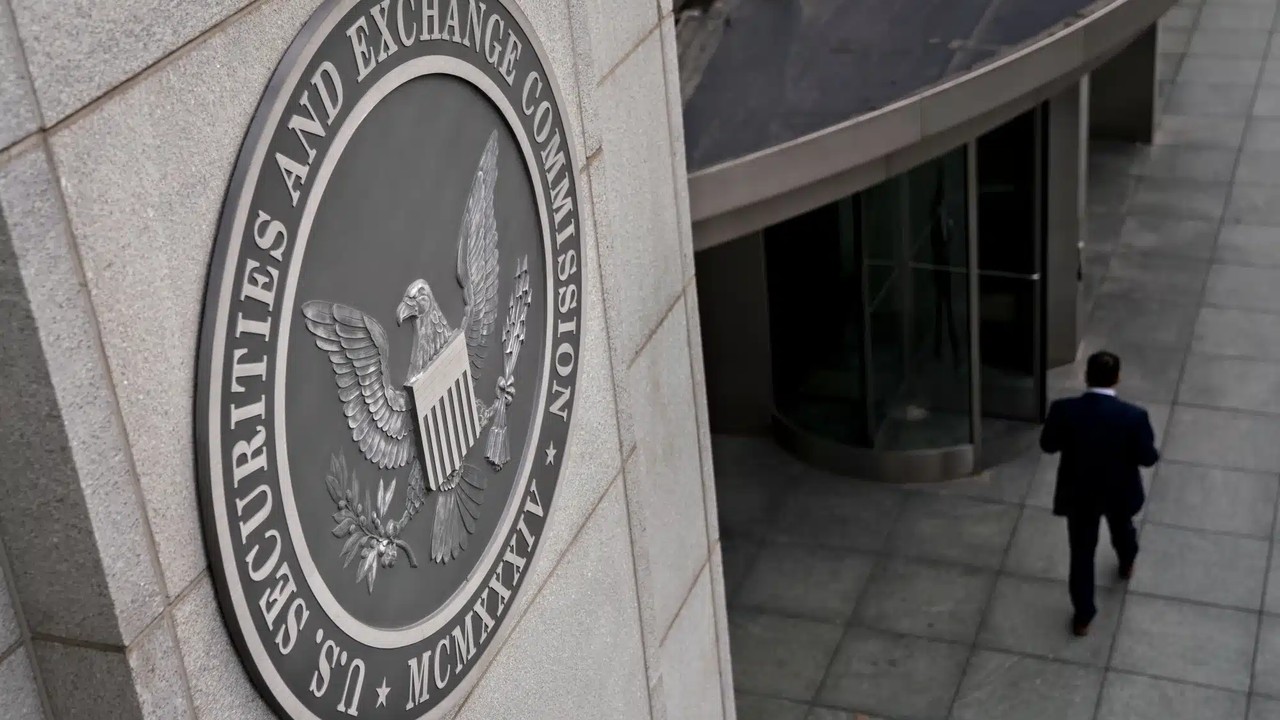
SEC signals readiness to deliver regulatory clarity for crypto investors, with or without Congress
Editor-selected (CryptoBriefing)
Chairman Paul Atkins announced the agency will push forward on digital asset rules through its own authority, hours before the Senate killed the CLARITY Act.
SEC Chairman Paul Atkins declared on September 14, 2026, that the agency will deliver regulatory certainty to investors and entrepreneurs in the digital asset space. The timing was telling: his announcement landed just hours before the Senate failed to advance the CLARITY Act, the bipartisan bill that was supposed to sort out crypto regulation once and for all.
The cloture vote came in at 49-50 on September 15, falling one vote short of the threshold needed to move forward.
Project Crypto takes shape
The SEC’s answer to legislative gridlock is something it calls “Project Crypto,” a multi-pronged initiative to modernize how digital assets are regulated under existing securities law.
Atkins outlined three pillars driving the effort. The first is “Regulation Crypto Assets,” a formal proposal the SEC put forward on August 18, 2026, aimed at updating capital-raising rules for digital assets and reclassifying how certain tokens fit within the securities framework. The second involves updated transfer-agent rules, modernizing the back-office plumbing that tracks ownership of assets. The third covers self-custody proposals for investment advisers, a move that could reshape how fiduciaries handle client crypto holdings.
The foundation for all of this was laid months earlier. In March 2026, the SEC published a token taxonomy that categorized most digital assets outside the traditional definition of securitized products. A July 2026 Regulatory Agenda further refined the agency’s priorities around digital asset capital raising and custody.
The news moving money, markets, and the world—before your day starts.
Daily. Free. Join 34,000+ readers across crypto, finance, and policy.
Industry reaction and institutional stakes
Coinbase CEO Brian Armstrong voiced support for the SEC’s approach, emphasizing that meaningful clarity can emerge from existing regulatory authority even without new legislation.
BlackRock and Fidelity had both previously backed the CLARITY Act as a path toward the regulatory certainty they needed to expand their crypto offerings.
What this means going forward
The token taxonomy from March is particularly consequential. By categorizing most digital assets outside traditional securities definitions, the SEC effectively narrowed its own jurisdictional claims. That’s the opposite of what the agency did under former Chair Gary Gensler, who famously argued that nearly everything in crypto, aside from Bitcoin, was a security.
Disclosure: This article was edited by Editorial Team. For more information on how we create and review content, see our Editorial Policy.