
Singapore’s electronics exports surge 131.8% as AI boom rewrites trade data

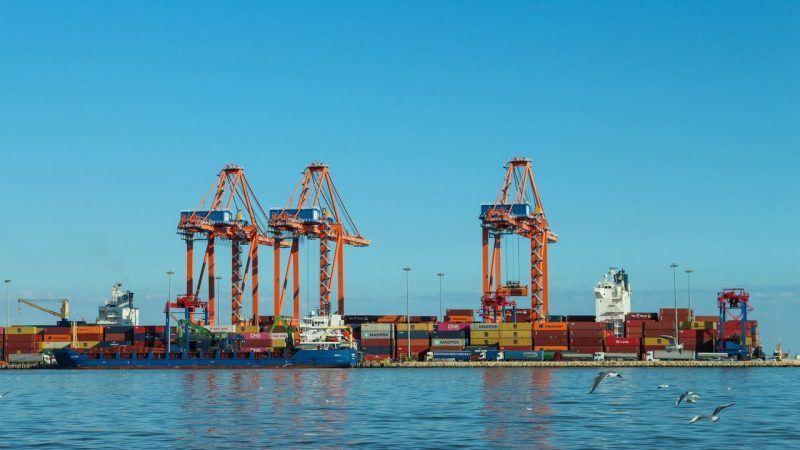
Photo: Nezaket / Pexels

Singapore’s electronics exports surge 131.8% as AI boom rewrites trade data

The city-state posted its strongest export growth in 38 years, powered by insatiable global demand for semiconductors and AI hardware.

Singapore just posted export numbers that look like a typo on a spreadsheet. Non-oil domestic exports (NODX) jumped 46.2% year-on-year in August 2026, the largest single-month increase since October 1988. Electronics exports, the main engine behind the surge, climbed 131.8%.

To put that in perspective, the median forecast from economists polled ahead of the release was around 35%. The actual figure overshot by more than 11 percentage points. Enterprise Singapore published the data on September 17.

The numbers behind the boom

Disk media products led the charge with a 290.2% increase. Personal computers followed at 237.9%. Integrated circuits rose 90.9%.

Advertisement

Electronics NODX had already climbed 112% in July, meaning August’s 131.8% actually represented an acceleration of an already extraordinary trend.

Non-electronics exports rebounded 12% after contracting 2.4% in July. Non-monetary gold, specialized machinery, and medical apparatus drove the recovery.

Geographically, the growth was remarkably broad. Shipments expanded to nine of Singapore’s top ten trading partners. The US led with a 91% increase, South Korea followed at 87.1%, and China posted 70.3% growth. The lone holdout was the European Union, which contracted 1.7%.

Why Singapore sits at the center of the AI supply chain

For the first eight months of 2026, NODX grew 22.4%. Enterprise Singapore maintained its full-year NODX growth forecast of 14% to 16%.

What this means for markets and trade flows

Analysts have noted that the strong export figures are unlikely to prompt monetary policy changes from the Monetary Authority of Singapore. The central bank operates under a framework that adjusts the exchange rate rather than interest rates, and regulatory constraints limit the scope for near-term shifts.

Disclosure: This article was edited by Editorial Team. For more information on how we create and review content, see our Editorial Policy.
Singapore’s electronics exports surge 131.8% as AI boom rewrites trade data

The city-state posted its strongest export growth in 38 years, powered by insatiable global demand for semiconductors and AI hardware.

Photo: Nezaket / Pexels

Singapore just posted export numbers that look like a typo on a spreadsheet. Non-oil domestic exports (NODX) jumped 46.2% year-on-year in August 2026, the largest single-month increase since October 1988. Electronics exports, the main engine behind the surge, climbed 131.8%.

To put that in perspective, the median forecast from economists polled ahead of the release was around 35%. The actual figure overshot by more than 11 percentage points. Enterprise Singapore published the data on September 17.

The numbers behind the boom

Disk media products led the charge with a 290.2% increase. Personal computers followed at 237.9%. Integrated circuits rose 90.9%.

Advertisement

Electronics NODX had already climbed 112% in July, meaning August’s 131.8% actually represented an acceleration of an already extraordinary trend.

Non-electronics exports rebounded 12% after contracting 2.4% in July. Non-monetary gold, specialized machinery, and medical apparatus drove the recovery.

Geographically, the growth was remarkably broad. Shipments expanded to nine of Singapore’s top ten trading partners. The US led with a 91% increase, South Korea followed at 87.1%, and China posted 70.3% growth. The lone holdout was the European Union, which contracted 1.7%.

Why Singapore sits at the center of the AI supply chain

For the first eight months of 2026, NODX grew 22.4%. Enterprise Singapore maintained its full-year NODX growth forecast of 14% to 16%.

What this means for markets and trade flows

Analysts have noted that the strong export figures are unlikely to prompt monetary policy changes from the Monetary Authority of Singapore. The central bank operates under a framework that adjusts the exchange rate rather than interest rates, and regulatory constraints limit the scope for near-term shifts.

Disclosure: This article was edited by Editorial Team. For more information on how we create and review content, see our Editorial Policy.