
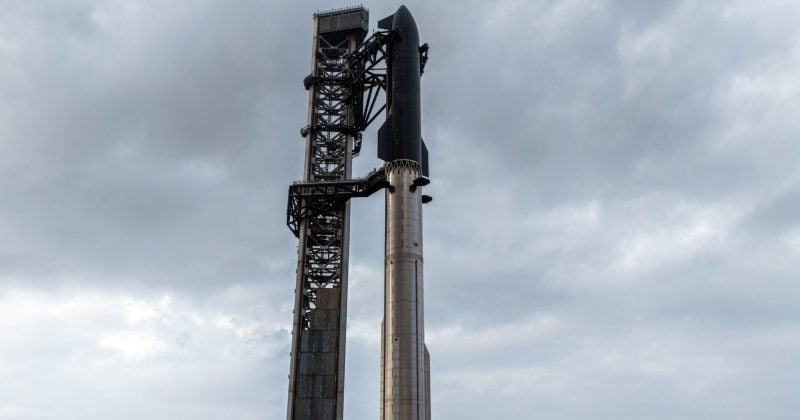
SpaceX stops accepting Falcon 9 bookings beyond 2028, betting everything on Starship
The workhorse rocket that reshaped the launch industry is being put out to pasture, and satellite operators are scrambling for alternatives.
SpaceX has stopped accepting new dedicated launch bookings on its Falcon 9 rocket for missions scheduled beyond 2028, effectively signaling the beginning of the end for the most prolific launch vehicle in history. The company is channeling its resources toward Starship, the massive next-generation rocket that Elon Musk has positioned as the future of everything from Mars colonization to orbital infrastructure.
The manifest is full, and SpaceX isn’t adding pages
SpaceX’s Falcon 9 launch schedule is nearly at capacity. A substantial chunk of that remaining availability has been earmarked for internal projects, including the company’s ambitious orbital AI data center initiative. That leaves increasingly little room for external customers.
SpaceX has also halted future reservations for its popular rideshare programs, the Transporter sun-synchronous orbit missions and the Bandwagon mid-inclination launches, for dates stretching beyond late 2028 and into early 2029. These programs had become a lifeline for small satellite operators seeking affordable access to orbit.
The SEOPS Waymaker 2028 mission, one of the remaining bookable opportunities, is already fully sold out with substantial waitlists. Booking constraints reportedly began surfacing in June 2026, with the formal policy shift becoming clear by mid-July.
Small satellite operators feel the squeeze
Small satellite operators are already facing potential launch delays and waitlists as Falcon 9 availability tightens. Alternative launch providers exist, but they come with higher costs, less proven track records, or limited launch cadence. For emerging remote-sensing and communications constellations that depend on getting satellites into orbit on schedule, delays mean missed revenue windows and potentially broken commitments to customers and investors.
AI, tech, and the markets they move—in one daily briefing.
Daily. Free. Join 34,000+ readers across crypto, finance, and policy.
If Starship doesn’t scale its commercial operations quickly enough to fill the gap, the industry could face a genuine capacity crunch.
Market reaction and investor implications
Stocks tied to the commercial space sector saw minor declines following the announcement, with AST SpaceMobile (ASTS) and Rocket Lab (RKLB) both dipping as investors digested the implications of a tightening launch capacity landscape.
SpaceX has not confirmed a formal retirement timeline for Falcon 9, leaving some ambiguity about whether the rocket might continue flying beyond 2028 on existing contracts.