
SpaceX revenue jumps 92% in first earnings report since IPO, raising questions about tech valuations across markets

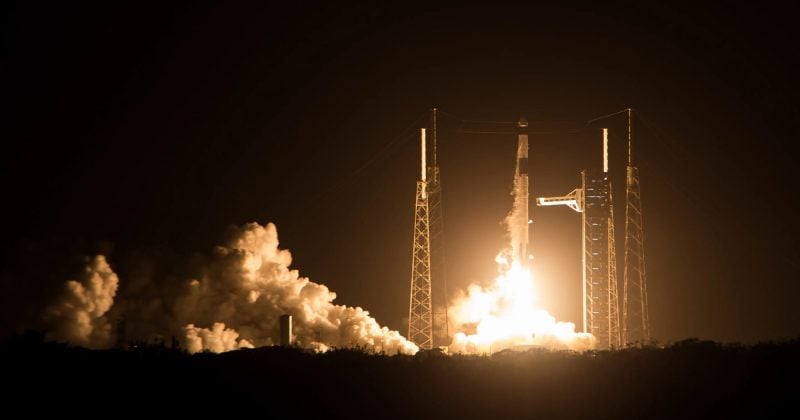
Bill Ingalls/NASA)

SpaceX revenue jumps 92% in first earnings report since IPO, raising questions about tech valuations across markets

The aerospace giant posted $7.8 billion in Q2 revenue and $3.5 billion in adjusted EBITDA, but a $4.3 billion net loss and a 20% stock decline from IPO price tell a more complicated story for investors.

SpaceX just dropped its first-ever public earnings report, and the numbers are the kind that make growth investors salivate while value investors reach for antacids. The company posted $7.8 billion in Q2 2026 revenue, a 92% increase that blew past analyst expectations of roughly $6.8 to $6.9 billion.

Here’s the thing, though. The stock is down more than 20% from its $135 IPO price. Revenue is surging, shares are sinking, and billions in losses are piling up.

The numbers behind the noise

SpaceX, trading under the ticker SPCX since its June 2026 IPO, reported adjusted EBITDA of $3.5 billion for the quarter. That figure crushed the consensus estimate of approximately $2 billion, suggesting the company’s margins are expanding faster than analysts modeled.

Advertisement

CFO Bret Johnsen pointed to AI compute agreements as a key driver of that margin expansion. The company’s Starlink satellite internet service continues to grow its subscriber base, but it’s the AI infrastructure deals that appear to be changing the revenue composition in meaningful ways.

Revenue jumped from $4.7 billion in Q1 2026 to $7.8 billion in Q2.

But profitability remains a distant planet. SpaceX reported a net loss of roughly $4.3 billion in Q1 2026 alone, following a total loss of about $4.9 billion for all of 2025. The cash burn is substantial, driven by continued investment in Starship development, rocket manufacturing, and the buildout of AI data center infrastructure.

Why crypto investors should pay attention

SpaceX targeted a valuation of around $1.75 trillion at its IPO. That made it one of the most valuable companies on Earth at debut, a status that invites intense scrutiny over whether the price reflects reality or narrative.

Starlink’s global connectivity ambitions also matter for the digital asset ecosystem. Satellite internet expansion into underserved regions directly enables broader access to financial infrastructure, including crypto wallets, decentralized exchanges, and blockchain-based payment systems.

What investors should watch from here

The bull case for SpaceX is straightforward: revenue is growing at nearly double the rate analysts expected, AI partnerships are driving margin expansion, and the company operates in markets with enormous total addressable potential. Starlink’s connectivity segment and the emerging AI compute business give SpaceX two distinct growth engines.

The bear case is equally clear. A company burning through billions per quarter needs either a path to profitability or a market willing to fund the journey indefinitely. The $4.3 billion quarterly net loss is not a rounding error. Capital expenditures for Starship and data centers show no signs of slowing, and short interest on the stock has been notable since the IPO.

Disclosure: This article was edited by Editorial Team. For more information on how we create and review content, see our Editorial Policy.

SpaceX revenue jumps 92% in first earnings report since IPO, raising questions about tech valuations across markets

SpaceX revenue jumps 92% in first earnings report since IPO, raising questions about tech valuations across markets

The aerospace giant posted $7.8 billion in Q2 revenue and $3.5 billion in adjusted EBITDA, but a $4.3 billion net loss and a 20% stock decline from IPO price tell a more complicated story for investors.

Bill Ingalls/NASA)

SpaceX just dropped its first-ever public earnings report, and the numbers are the kind that make growth investors salivate while value investors reach for antacids. The company posted $7.8 billion in Q2 2026 revenue, a 92% increase that blew past analyst expectations of roughly $6.8 to $6.9 billion.

Here’s the thing, though. The stock is down more than 20% from its $135 IPO price. Revenue is surging, shares are sinking, and billions in losses are piling up.

The numbers behind the noise

SpaceX, trading under the ticker SPCX since its June 2026 IPO, reported adjusted EBITDA of $3.5 billion for the quarter. That figure crushed the consensus estimate of approximately $2 billion, suggesting the company’s margins are expanding faster than analysts modeled.

Advertisement

CFO Bret Johnsen pointed to AI compute agreements as a key driver of that margin expansion. The company’s Starlink satellite internet service continues to grow its subscriber base, but it’s the AI infrastructure deals that appear to be changing the revenue composition in meaningful ways.

Revenue jumped from $4.7 billion in Q1 2026 to $7.8 billion in Q2.

But profitability remains a distant planet. SpaceX reported a net loss of roughly $4.3 billion in Q1 2026 alone, following a total loss of about $4.9 billion for all of 2025. The cash burn is substantial, driven by continued investment in Starship development, rocket manufacturing, and the buildout of AI data center infrastructure.

Why crypto investors should pay attention

SpaceX targeted a valuation of around $1.75 trillion at its IPO. That made it one of the most valuable companies on Earth at debut, a status that invites intense scrutiny over whether the price reflects reality or narrative.

Starlink’s global connectivity ambitions also matter for the digital asset ecosystem. Satellite internet expansion into underserved regions directly enables broader access to financial infrastructure, including crypto wallets, decentralized exchanges, and blockchain-based payment systems.

What investors should watch from here

The bull case for SpaceX is straightforward: revenue is growing at nearly double the rate analysts expected, AI partnerships are driving margin expansion, and the company operates in markets with enormous total addressable potential. Starlink’s connectivity segment and the emerging AI compute business give SpaceX two distinct growth engines.

The bear case is equally clear. A company burning through billions per quarter needs either a path to profitability or a market willing to fund the journey indefinitely. The $4.3 billion quarterly net loss is not a rounding error. Capital expenditures for Starship and data centers show no signs of slowing, and short interest on the stock has been notable since the IPO.

Disclosure: This article was edited by Editorial Team. For more information on how we create and review content, see our Editorial Policy.