
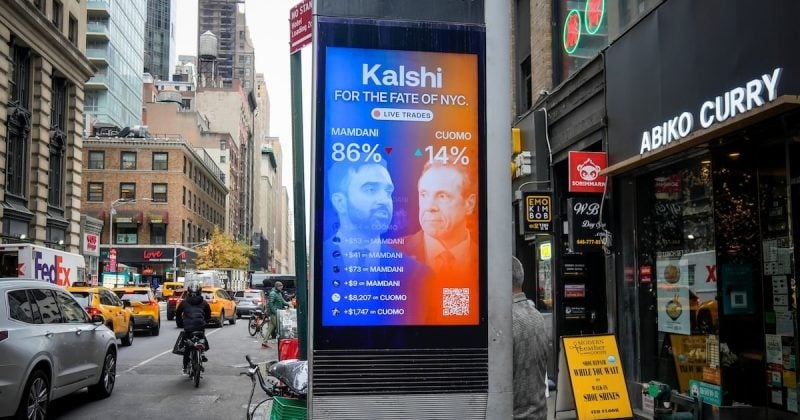
44 states align against prediction markets in sports wagering fight

Via thelines.com

44 states align against prediction markets in sports wagering fight

A bipartisan coalition of state attorneys general is challenging platforms like Kalshi, arguing that sports prediction contracts are just gambling by another name.

The prediction market industry just picked a fight with nearly every state in America. And it’s losing allies fast.

A coalition of 44 states has now aligned against prediction market platforms that offer sports-related event contracts, arguing these products are functionally identical to sports betting and should be regulated accordingly.

The legal battle lines

Platforms like Kalshi argue they’re regulated by the Commodity Futures Trading Commission under the Commodity Exchange Act, making them federally supervised financial instruments. States say that’s a convenient fiction, that betting on whether the Knicks cover the spread is gambling regardless of whether you call the contract a “commodity.”

As of April 2026, 38 state attorneys general had formed a bipartisan coalition backing Massachusetts in its legal challenge. Their argument is straightforward: sports prediction contracts qualify as illegal gambling under existing state laws, and federal oversight by the CFTC doesn’t preempt those laws.

Advertisement

Coalitions of 37-plus attorneys general also filed amicus briefs in June 2026 supporting litigation in Ohio and other states, specifically pushing back on CFTC preemption claims.

Kalshi currently operates sports prediction markets in 44 states but faces legal action from at least a dozen of them for alleged gambling regulation violations.

Minnesota draws first blood, then gets blocked

Minnesota became the first state to outright ban prediction markets in May 2026, with enforcement set to begin in late July. Then a federal judge intervened. On July 27, 2026, an injunction temporarily suspended enforcement of Minnesota’s ban, suggesting potential conflict with federal authority.

If courts eventually side with the states, prediction market platforms would need to obtain gambling licenses in every jurisdiction where they operate. If federal preemption wins out, states lose a significant chunk of regulatory control over what happens within their borders.

Why the stakes are enormous

Kalshi reported over $1 billion in monthly trading volume in 2025. Roughly 90% of those bets were focused on sports event contracts.

Regulated sportsbooks pay licensing fees, submit to state oversight, contribute tax revenue, and comply with consumer protection requirements. Prediction market platforms operating under CFTC supervision face different, and arguably lighter, regulatory burdens. From a state perspective, this creates an uneven playing field that undermines existing gambling frameworks and diverts potential tax revenue.

What this means for crypto and prediction market investors

The implications extend beyond Kalshi. Polymarket, the crypto-native prediction platform that gained massive visibility during the 2024 US presidential election, is also facing litigation from states.

If state laws ultimately prevail, compliance with dozens of different state gambling regimes would increase costs, limit market access, and potentially force platforms to restrict or eliminate sports-related contracts entirely. That 90% sports concentration on Kalshi suddenly looks less like a growth story and more like a regulatory liability.

Investors should be watching two things closely. First, how the Ohio litigation and similar cases resolve the preemption question. Second, whether Congress steps in with clarifying legislation, something both the CFTC and state regulators have been quietly advocating for, albeit with very different preferred outcomes.

Disclosure: This article was edited by Editorial Team. For more information on how we create and review content, see our Editorial Policy.

44 states align against prediction markets in sports wagering fight

44 states align against prediction markets in sports wagering fight

A bipartisan coalition of state attorneys general is challenging platforms like Kalshi, arguing that sports prediction contracts are just gambling by another name.

Via thelines.com

The prediction market industry just picked a fight with nearly every state in America. And it’s losing allies fast.

A coalition of 44 states has now aligned against prediction market platforms that offer sports-related event contracts, arguing these products are functionally identical to sports betting and should be regulated accordingly.

The legal battle lines

Platforms like Kalshi argue they’re regulated by the Commodity Futures Trading Commission under the Commodity Exchange Act, making them federally supervised financial instruments. States say that’s a convenient fiction, that betting on whether the Knicks cover the spread is gambling regardless of whether you call the contract a “commodity.”

As of April 2026, 38 state attorneys general had formed a bipartisan coalition backing Massachusetts in its legal challenge. Their argument is straightforward: sports prediction contracts qualify as illegal gambling under existing state laws, and federal oversight by the CFTC doesn’t preempt those laws.

Advertisement

Coalitions of 37-plus attorneys general also filed amicus briefs in June 2026 supporting litigation in Ohio and other states, specifically pushing back on CFTC preemption claims.

Kalshi currently operates sports prediction markets in 44 states but faces legal action from at least a dozen of them for alleged gambling regulation violations.

Minnesota draws first blood, then gets blocked

Minnesota became the first state to outright ban prediction markets in May 2026, with enforcement set to begin in late July. Then a federal judge intervened. On July 27, 2026, an injunction temporarily suspended enforcement of Minnesota’s ban, suggesting potential conflict with federal authority.

If courts eventually side with the states, prediction market platforms would need to obtain gambling licenses in every jurisdiction where they operate. If federal preemption wins out, states lose a significant chunk of regulatory control over what happens within their borders.

Why the stakes are enormous

Kalshi reported over $1 billion in monthly trading volume in 2025. Roughly 90% of those bets were focused on sports event contracts.

Regulated sportsbooks pay licensing fees, submit to state oversight, contribute tax revenue, and comply with consumer protection requirements. Prediction market platforms operating under CFTC supervision face different, and arguably lighter, regulatory burdens. From a state perspective, this creates an uneven playing field that undermines existing gambling frameworks and diverts potential tax revenue.

What this means for crypto and prediction market investors

The implications extend beyond Kalshi. Polymarket, the crypto-native prediction platform that gained massive visibility during the 2024 US presidential election, is also facing litigation from states.

If state laws ultimately prevail, compliance with dozens of different state gambling regimes would increase costs, limit market access, and potentially force platforms to restrict or eliminate sports-related contracts entirely. That 90% sports concentration on Kalshi suddenly looks less like a growth story and more like a regulatory liability.

Investors should be watching two things closely. First, how the Ohio litigation and similar cases resolve the preemption question. Second, whether Congress steps in with clarifying legislation, something both the CFTC and state regulators have been quietly advocating for, albeit with very different preferred outcomes.

Disclosure: This article was edited by Editorial Team. For more information on how we create and review content, see our Editorial Policy.