
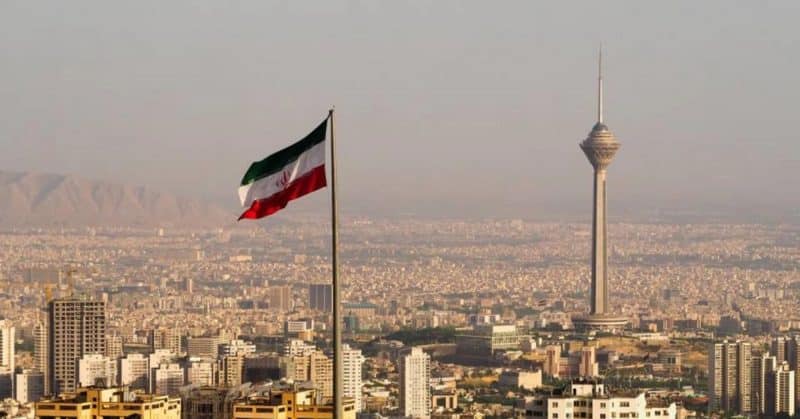
Tehran-Muscat talks progress on Hormuz reopening, status unchanged: CBS

Tehran-Muscat talks progress on Hormuz reopening, status unchanged: CBS

WTI crude oil prices in July 2026

CBS has reported progress in ongoing negotiations between Tehran and Muscat concerning the reopening of the Strait of Hormuz, a crucial passage for global oil exports. Despite this development, Iranian official Ali Reza Beghai declared that the status of the Strait remains unchanged, highlighting ongoing geopolitical tensions. These talks have significant implications for global energy markets, as any changes in the strait’s status could impact oil prices.

Advertisement

Market participants appear to be interpreting the report as suggesting potential easing of tensions, which may lead to a reduction in oil prices. However, the lack of immediate change in the situation indicates a cautious outlook. This is reflected in the WTI Crude Oil prediction markets, where the probability of oil hitting higher price targets in July has decreased, consistent with expectations of stable or declining prices.

Key Takeaways

  • Market activity suggests the CBS report of progress in talks may indicate potential easing of tensions, affecting oil prices.
  • Current pricing indicates a decrease in the likelihood of WTI Crude Oil reaching higher price targets in July.
  • The unchanged status of the Strait of Hormuz suggests caution among market participants regarding immediate impacts on oil supply.

What to Watch

Observers should monitor any official announcements from the Iranian Ministry of Shipping regarding the Strait of Hormuz’s status. Developments in U.S.-Iran relations and OPEC+ production decisions will also be crucial in shaping oil market outlooks. A confirmation of the strait reopening or a formal deal could further influence WTI Crude Oil market pricing, consistent with scenarios where oil prices stabilize or decline.

Get live prediction-market analysis, powered by Vera. Sign up for Vera.

Disclosure: This article was edited by Estefano Gomez. For more information on how we create and review content, see our Editorial Policy.

Tehran-Muscat talks progress on Hormuz reopening, status unchanged: CBS

Tehran-Muscat talks progress on Hormuz reopening, status unchanged: CBS

WTI crude oil prices in July 2026

CBS has reported progress in ongoing negotiations between Tehran and Muscat concerning the reopening of the Strait of Hormuz, a crucial passage for global oil exports. Despite this development, Iranian official Ali Reza Beghai declared that the status of the Strait remains unchanged, highlighting ongoing geopolitical tensions. These talks have significant implications for global energy markets, as any changes in the strait’s status could impact oil prices.

Advertisement

Market participants appear to be interpreting the report as suggesting potential easing of tensions, which may lead to a reduction in oil prices. However, the lack of immediate change in the situation indicates a cautious outlook. This is reflected in the WTI Crude Oil prediction markets, where the probability of oil hitting higher price targets in July has decreased, consistent with expectations of stable or declining prices.

Key Takeaways

  • Market activity suggests the CBS report of progress in talks may indicate potential easing of tensions, affecting oil prices.
  • Current pricing indicates a decrease in the likelihood of WTI Crude Oil reaching higher price targets in July.
  • The unchanged status of the Strait of Hormuz suggests caution among market participants regarding immediate impacts on oil supply.

What to Watch

Observers should monitor any official announcements from the Iranian Ministry of Shipping regarding the Strait of Hormuz’s status. Developments in U.S.-Iran relations and OPEC+ production decisions will also be crucial in shaping oil market outlooks. A confirmation of the strait reopening or a formal deal could further influence WTI Crude Oil market pricing, consistent with scenarios where oil prices stabilize or decline.

Get live prediction-market analysis, powered by Vera. Sign up for Vera.

Disclosure: This article was edited by Estefano Gomez. For more information on how we create and review content, see our Editorial Policy.