
TotalEnergies and BlackRock’s GIP strike $1.8B deal to monetize African oil and gas infrastructure

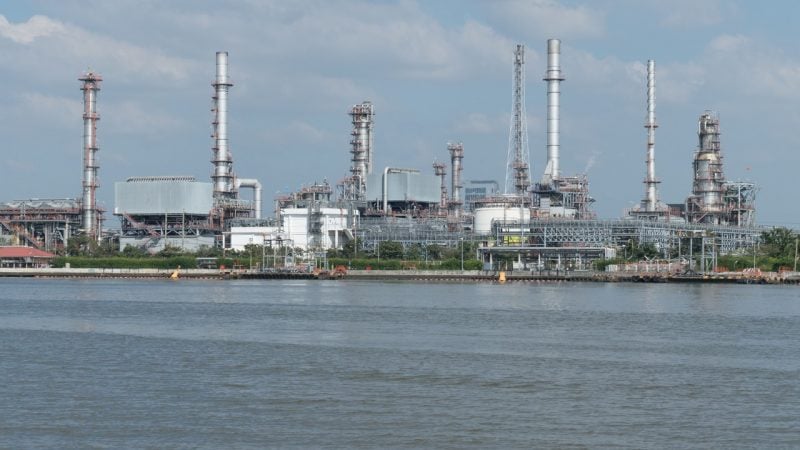
Photo: Picas Joe / Pexels

TotalEnergies and BlackRock’s GIP strike $1.8B deal to monetize African oil and gas infrastructure

The French energy giant will hand over midstream assets in exchange for capital while keeping operational control through a long-term tariff arrangement

TotalEnergies just found a way to turn its African pipeline and storage infrastructure into nearly $2 billion in fresh capital without actually giving up the keys. The French energy major announced a deal with Global Infrastructure Partners, an affiliate of BlackRock, for an $1.8 billion investment tied to the company’s midstream oil and gas assets across Africa.

The structure is essentially a sale-and-leaseback for pipelines. TotalEnergies transfers ownership of certain midstream infrastructure to GIP, then pays a throughput-based tariff, a fee linked to the volume of oil and gas flowing through those assets, for up to 15 years. TotalEnergies keeps running the show operationally. GIP gets a steady, volume-linked revenue stream backed by one of the world’s largest integrated energy companies.

How the deal works

The specific assets covered by the deal were not disclosed. What we know is they span TotalEnergies’ African portfolio, which includes significant operations in countries like Angola, Nigeria, and several other producing nations across the continent.

Advertisement

TotalEnergies CFO Jean-Pierre Sbraire framed the transaction as a deepening of the relationship with GIP, suggesting this may not be the last collaboration between the two parties.

Why infrastructure monetization is becoming a trend

GIP, which BlackRock acquired to bolster its infrastructure investing capabilities, manages one of the largest dedicated infrastructure portfolios in the world. Its interest in African midstream assets reflects a broader institutional appetite for energy infrastructure in emerging markets.

The 15-year tariff arrangement is notable for its length. GIP is betting that TotalEnergies will continue pumping significant volumes through these assets for at least the next decade and a half. TotalEnergies, for its part, is comfortable locking in tariff payments over that horizon because it expects continued production growth in its African operations.

Africa has been a cornerstone of TotalEnergies’ exploration strategy for years. The company has reported ongoing successes in Angola and other markets across the continent, and the $1.8 billion capital injection could free up resources to accelerate those exploration and production initiatives without stretching the balance sheet.

What this means for energy investment in Africa

For TotalEnergies shareholders, the deal should be read as a balance-sheet optimization move. The company isn’t abandoning African operations. It’s restructuring how those operations are financed. The $1.8 billion inflow gives TotalEnergies more room to fund new exploration, return capital to shareholders, or invest in its growing renewables and LNG businesses without taking on additional debt.

The throughput-based tariff structure also aligns incentives neatly. If TotalEnergies produces more, GIP earns more. If volumes decline, the tariff payments shrink accordingly.

Disclosure: This article was edited by Editorial Team. For more information on how we create and review content, see our Editorial Policy.
TotalEnergies and BlackRock’s GIP strike $1.8B deal to monetize African oil and gas infrastructure

The French energy giant will hand over midstream assets in exchange for capital while keeping operational control through a long-term tariff arrangement

Photo: Picas Joe / Pexels

TotalEnergies just found a way to turn its African pipeline and storage infrastructure into nearly $2 billion in fresh capital without actually giving up the keys. The French energy major announced a deal with Global Infrastructure Partners, an affiliate of BlackRock, for an $1.8 billion investment tied to the company’s midstream oil and gas assets across Africa.

The structure is essentially a sale-and-leaseback for pipelines. TotalEnergies transfers ownership of certain midstream infrastructure to GIP, then pays a throughput-based tariff, a fee linked to the volume of oil and gas flowing through those assets, for up to 15 years. TotalEnergies keeps running the show operationally. GIP gets a steady, volume-linked revenue stream backed by one of the world’s largest integrated energy companies.

How the deal works

The specific assets covered by the deal were not disclosed. What we know is they span TotalEnergies’ African portfolio, which includes significant operations in countries like Angola, Nigeria, and several other producing nations across the continent.

Advertisement

TotalEnergies CFO Jean-Pierre Sbraire framed the transaction as a deepening of the relationship with GIP, suggesting this may not be the last collaboration between the two parties.

Why infrastructure monetization is becoming a trend

GIP, which BlackRock acquired to bolster its infrastructure investing capabilities, manages one of the largest dedicated infrastructure portfolios in the world. Its interest in African midstream assets reflects a broader institutional appetite for energy infrastructure in emerging markets.

The 15-year tariff arrangement is notable for its length. GIP is betting that TotalEnergies will continue pumping significant volumes through these assets for at least the next decade and a half. TotalEnergies, for its part, is comfortable locking in tariff payments over that horizon because it expects continued production growth in its African operations.

Africa has been a cornerstone of TotalEnergies’ exploration strategy for years. The company has reported ongoing successes in Angola and other markets across the continent, and the $1.8 billion capital injection could free up resources to accelerate those exploration and production initiatives without stretching the balance sheet.

What this means for energy investment in Africa

For TotalEnergies shareholders, the deal should be read as a balance-sheet optimization move. The company isn’t abandoning African operations. It’s restructuring how those operations are financed. The $1.8 billion inflow gives TotalEnergies more room to fund new exploration, return capital to shareholders, or invest in its growing renewables and LNG businesses without taking on additional debt.

The throughput-based tariff structure also aligns incentives neatly. If TotalEnergies produces more, GIP earns more. If volumes decline, the tariff payments shrink accordingly.

Disclosure: This article was edited by Editorial Team. For more information on how we create and review content, see our Editorial Policy.