
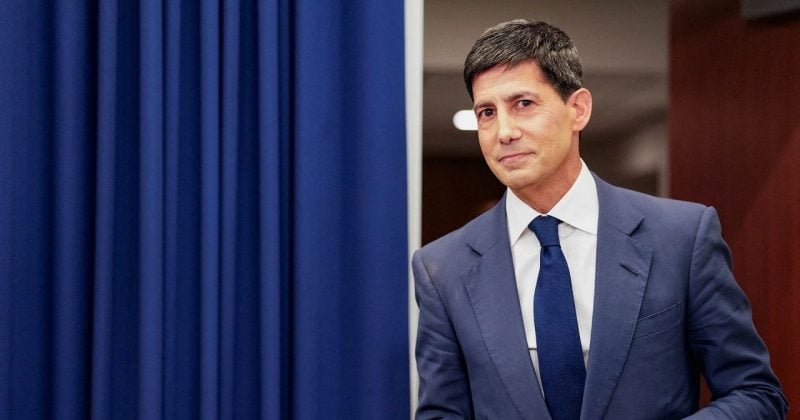
Treasury market warns Federal Reserve Chair Kevin Warsh on rates
Bond yields are climbing above the Fed's policy rate, sending a clear message that Wall Street thinks monetary policy is too loose
The bond market has a message for the new Fed chair, and it’s not subtle. Treasury yields have surged well past the Federal Reserve’s current policy rate, effectively telling Kevin Warsh that his benchmark interest rate isn’t high enough to match what the economy is actually doing.
Two-year Treasury yields have climbed to a range of 4.15% to 4.37%, comfortably above the Fed’s target policy rate of 3.5% to 3.75%. The 10-year yield has pushed to 4.71%.
What the yield gap actually means
When the 2-year yield sits 40 to 60 basis points above the federal funds rate, the market is essentially pricing in rate hikes that the Fed hasn’t committed to yet.
Market expectations now indicate at least a 25-basis-point hike is priced in by October 2026. That’s a meaningful shift from earlier this year, when many traders were still holding onto the idea that rate cuts might be on the table.
Warsh held rates steady at his first FOMC meeting as chair in June 2026 but made a deliberate rhetorical move, stripping out forward guidance language that had previously hinted at potential rate cuts. His first post-FOMC press conference featured what analysts characterized as a hawkish statement. Gone was the cut-bias language that had lingered from the Jerome Powell era.
The Warsh factor and what crypto investors should watch
Kevin Warsh is a former Fed governor who has expressed favorable views toward cryptocurrencies, particularly Bitcoin, making his tenure uniquely interesting for crypto markets.
The news moving money, markets, and the world—before your day starts.
Daily. Free. Join 34,000+ readers across crypto, finance, and policy.
Rising Treasury yields create a gravitational pull away from risk assets. When you can earn 4.7% on a 10-year government bond, the opportunity cost of holding volatile assets like Bitcoin goes up considerably. Higher rates tend to strengthen the dollar, which historically puts downward pressure on crypto prices.
Late July 2026 saw yield spikes that correlated directly with Warsh’s congressional testimony on inflation, pushing 2-year yields to 4.37% and the 10-year to 4.71%. Bitcoin’s price movements responded in real time as traders recalibrated their assumptions about the monetary policy trajectory.
The counterargument is that persistent inflation bolsters the case for cryptocurrency as a hedge against currency debasement. If inflation remains stubbornly above target and the Fed is forced to keep rates elevated, that erodes purchasing power over time.
The backdrop driving yields higher
Persistent inflation, higher oil prices, and revised growth forecasts have all contributed to the bond market’s skepticism about the current rate level and forced a significant revision in market expectations regarding future rate adjustments.
For crypto investors specifically, the key metric to watch isn’t just the federal funds rate itself. It’s the spread between the policy rate and Treasury yields. Bitcoin’s recent sensitivity to wage data and inflation commentary from Warsh suggests the crypto market is paying closer attention to traditional monetary policy signals than it has at any point in its history.