
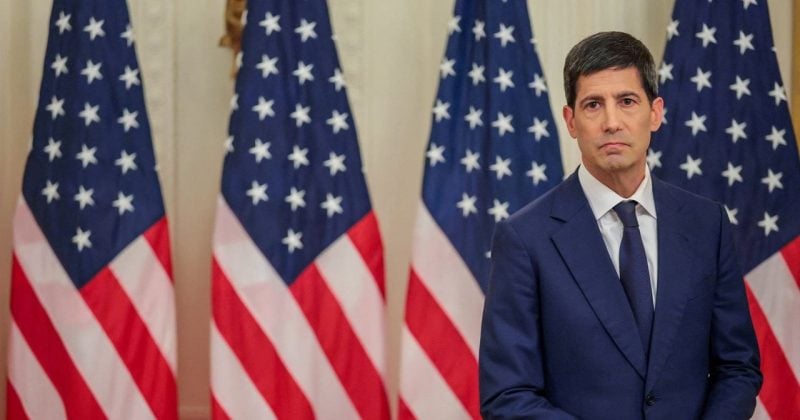
Via cnn.com
Trump has been calling Fed Chair Kevin Warsh to talk economics, and maybe more
The president's undisclosed phone conversations with the new Fed chair raise questions about central bank independence and what it means for crypto markets.
President Trump has been picking up the phone and calling the man he put in charge of the Federal Reserve. Multiple times. In what sources describe as conversations occurring “in bursts” since Kevin Warsh was sworn in on May 22, 2026.
The calls between Trump and Warsh reportedly cover the economic fallout from the Iran conflict and developments in artificial intelligence. No confirmed discussions about monetary policy have surfaced.
The new Fed chair and his crypto portfolio
Warsh succeeded Jerome Powell, the chair Trump spent years publicly berating for not cutting rates fast enough. Warsh’s four-year term runs through May 21, 2030.
Trump has called Warsh “fantastic” and “brilliant.”
During his confirmation process, Warsh disclosed investments in more than 30 crypto-related projects. His total assets were estimated between $131 million and over $209 million.
Rate cuts, “political” board members, and regime change
Trump has publicly stated that the US “should have the lowest interest rates in the world.” The president has also taken aim at other Fed Board members, attributing some of their decisions to being “political.”
The news moving money, markets, and the world—before your day starts.
Daily. Free. Join 34,000+ readers across crypto, finance, and policy.
During congressional testimony in July 2026, Warsh pledged a “regime change” in Fed policy to tackle inflation. Other board members have reportedly pushed back against aggressive easing.
What this means for crypto investors
If Warsh succeeds in pushing through rate cuts, risk assets benefit broadly. Bitcoin and the wider crypto market have historically responded well to looser monetary conditions.
A Fed chair with more than 30 crypto investments isn’t going to wage war on the industry he’s personally invested in. Institutional investors who have been waiting on the sidelines for regulatory clarity might start reading these tea leaves as permission to move.
The Federal Reserve’s credibility rests on its perceived independence from political pressure. When a president calls the Fed chair in undisclosed conversations, repeatedly, even about topics adjacent to monetary policy, it erodes that perception. Bond markets could demand higher yields to compensate for political risk. The dollar could weaken.
Warsh’s public statements, voting patterns, and any shifts in the dot plot will reveal whether these presidential conversations are truly just friendly chats about AI, or something more consequential.