
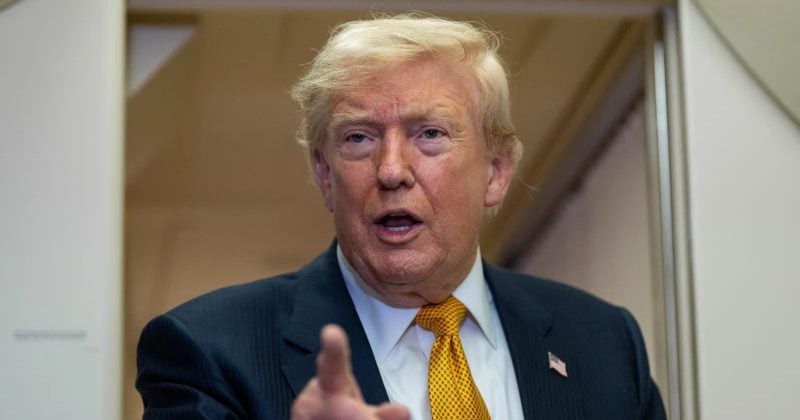
Trump hosts Syrian, Iraqi leaders at White House, signaling policy shift

https://www.newsweek.com/topic/donald-trump

Trump hosts Syrian, Iraqi leaders at White House, signaling policy shift

US-Iran deal in 2026

In a surprising diplomatic development, U.S. President Donald Trump hosted Syrian President Ahmad al-Sharaa and Iraqi Prime Minister Ali al-Zaidi at the White House. This meeting marks a significant shift in U.S. Middle East policy, with both leaders expressing support for Trump. The event is particularly noteworthy as it is the first visit by a Syrian head of state to the U.S. since Syria’s independence in 1946. This historic meeting reflects a broader geopolitical realignment in the region, with Syria’s recent inclusion in the Global Coalition to Defeat ISIS and the lifting of certain U.S. sanctions.

Advertisement

Market observers are interpreting these developments as a potential pivot in U.S. foreign policy that could influence ongoing negotiations, including those involving Iran. Despite the source of this news being a social media account, the implications for U.S.-Iranian relations are evident, with potential impacts on the likelihood of a U.S.-Iran deal by the end of 2026.

Key Takeaways

  • The meeting suggests a major realignment in Middle East diplomacy, potentially impacting U.S.-Iran relations.
  • Markets indicate a slight positive shift in the probability of a U.S.-Iran deal, reflecting new diplomatic dynamics.
  • Observers note that the support from Middle Eastern leaders may influence U.S. foreign policy decisions moving forward.

What to Watch

The reactions from Iran and its allies will be critical in assessing the impact of this meeting on U.S.-Iran negotiations. Monitor any statements from Iranian officials, particularly in response to the U.S. diplomatic shifts. Additionally, watch for any further developments in U.S.-Syria relations that might indicate deeper policy changes affecting the broader Middle East landscape. Any such moves could further alter the probability of reaching a U.S.-Iran agreement in 2026.

Get live prediction-market analysis, powered by Vera. Sign up for Vera.

Disclosure: This article was edited by Estefano Gomez. For more information on how we create and review content, see our Editorial Policy.

Trump hosts Syrian, Iraqi leaders at White House, signaling policy shift

Trump hosts Syrian, Iraqi leaders at White House, signaling policy shift

US-Iran deal in 2026

https://www.newsweek.com/topic/donald-trump

In a surprising diplomatic development, U.S. President Donald Trump hosted Syrian President Ahmad al-Sharaa and Iraqi Prime Minister Ali al-Zaidi at the White House. This meeting marks a significant shift in U.S. Middle East policy, with both leaders expressing support for Trump. The event is particularly noteworthy as it is the first visit by a Syrian head of state to the U.S. since Syria’s independence in 1946. This historic meeting reflects a broader geopolitical realignment in the region, with Syria’s recent inclusion in the Global Coalition to Defeat ISIS and the lifting of certain U.S. sanctions.

Advertisement

Market observers are interpreting these developments as a potential pivot in U.S. foreign policy that could influence ongoing negotiations, including those involving Iran. Despite the source of this news being a social media account, the implications for U.S.-Iranian relations are evident, with potential impacts on the likelihood of a U.S.-Iran deal by the end of 2026.

Key Takeaways

  • The meeting suggests a major realignment in Middle East diplomacy, potentially impacting U.S.-Iran relations.
  • Markets indicate a slight positive shift in the probability of a U.S.-Iran deal, reflecting new diplomatic dynamics.
  • Observers note that the support from Middle Eastern leaders may influence U.S. foreign policy decisions moving forward.

What to Watch

The reactions from Iran and its allies will be critical in assessing the impact of this meeting on U.S.-Iran negotiations. Monitor any statements from Iranian officials, particularly in response to the U.S. diplomatic shifts. Additionally, watch for any further developments in U.S.-Syria relations that might indicate deeper policy changes affecting the broader Middle East landscape. Any such moves could further alter the probability of reaching a U.S.-Iran agreement in 2026.

Get live prediction-market analysis, powered by Vera. Sign up for Vera.

Disclosure: This article was edited by Estefano Gomez. For more information on how we create and review content, see our Editorial Policy.