
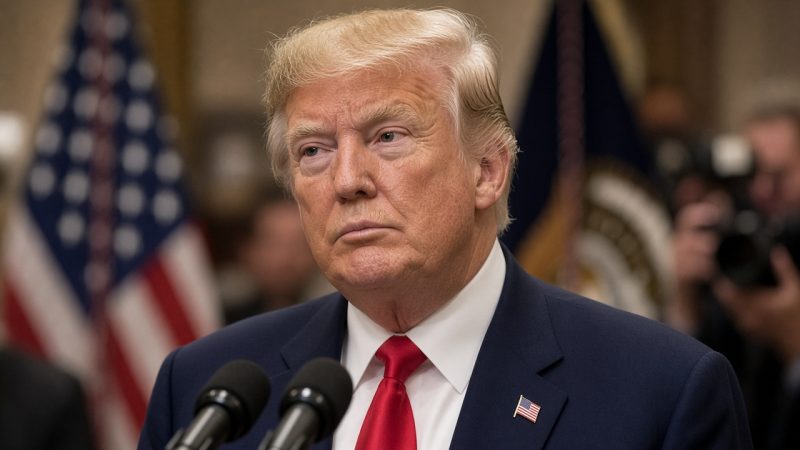
Trump hosts Xi Jinping for arrival ceremony at the White House

Trump hosts Xi Jinping for arrival ceremony at the White House

Xi's first White House visit in over a decade features a massive military welcome, a trade truce extension, and a state dinner packed with Silicon Valley's biggest names

Chinese President Xi Jinping touched down at Joint Base Andrews on September 23, greeted by President Trump, a 100-foot red carpet, and a flyover of B-1 bombers.

The arrival kicked off a multi-day summit that carries enormous weight for global trade, technology policy, and regional security. It also marks Xi’s first official visit to the White House in 11 years. Trump had traveled to Beijing in May 2026, setting the stage for this reciprocal visit.

Red carpets and stealth bombers

The formal welcoming ceremony on September 24 featured over 479 US military personnel in an Armed Forces Full Honor Cordon, with military bands and a flyover featuring advanced aircraft including the B-2 Spirit stealth bomber.

Advertisement

The trade truce gets an extension

Treasury Secretary Scott Bessent announced an extension of the Busan agreement, a framework that pauses certain tariff escalations between the two countries. The new deadline is January 10, 2027, giving negotiators additional runway to hash out terms on tariffs and technological cooperation.

Silicon Valley gets a seat at the dinner table

The state dinner on September 24 featured a guest list that read like a who’s who of American technology. Executives from OpenAI, Apple, xAI, Microsoft, Nvidia, and Meta were all in attendance.

Meanwhile, the first ladies of both countries had planned cultural events of their own.

What this actually changes

Expectations for major breakthroughs from the summit appear to be calibrated toward modesty. The emphasis from both sides has been on relationship management and incremental progress rather than sweeping agreements.

For investors, the trade truce extension removes the risk of new tariff escalations through early 2027, providing a more predictable environment for companies with significant China exposure.

Disclosure: This article was edited by Editorial Team. For more information on how we create and review content, see our Editorial Policy.
Trump hosts Xi Jinping for arrival ceremony at the White House

Xi's first White House visit in over a decade features a massive military welcome, a trade truce extension, and a state dinner packed with Silicon Valley's biggest names

Chinese President Xi Jinping touched down at Joint Base Andrews on September 23, greeted by President Trump, a 100-foot red carpet, and a flyover of B-1 bombers.

The arrival kicked off a multi-day summit that carries enormous weight for global trade, technology policy, and regional security. It also marks Xi’s first official visit to the White House in 11 years. Trump had traveled to Beijing in May 2026, setting the stage for this reciprocal visit.

Red carpets and stealth bombers

The formal welcoming ceremony on September 24 featured over 479 US military personnel in an Armed Forces Full Honor Cordon, with military bands and a flyover featuring advanced aircraft including the B-2 Spirit stealth bomber.

Advertisement

The trade truce gets an extension

Treasury Secretary Scott Bessent announced an extension of the Busan agreement, a framework that pauses certain tariff escalations between the two countries. The new deadline is January 10, 2027, giving negotiators additional runway to hash out terms on tariffs and technological cooperation.

Silicon Valley gets a seat at the dinner table

The state dinner on September 24 featured a guest list that read like a who’s who of American technology. Executives from OpenAI, Apple, xAI, Microsoft, Nvidia, and Meta were all in attendance.

Meanwhile, the first ladies of both countries had planned cultural events of their own.

What this actually changes

Expectations for major breakthroughs from the summit appear to be calibrated toward modesty. The emphasis from both sides has been on relationship management and incremental progress rather than sweeping agreements.

For investors, the trade truce extension removes the risk of new tariff escalations through early 2027, providing a more predictable environment for companies with significant China exposure.

Disclosure: This article was edited by Editorial Team. For more information on how we create and review content, see our Editorial Policy.