
Trump vows Iran will pay for killing three US soldiers as Middle East conflict rattles oil and crypto markets
Escalating military tensions between the US and Iran are injecting fresh geopolitical risk into energy and digital asset markets alike.
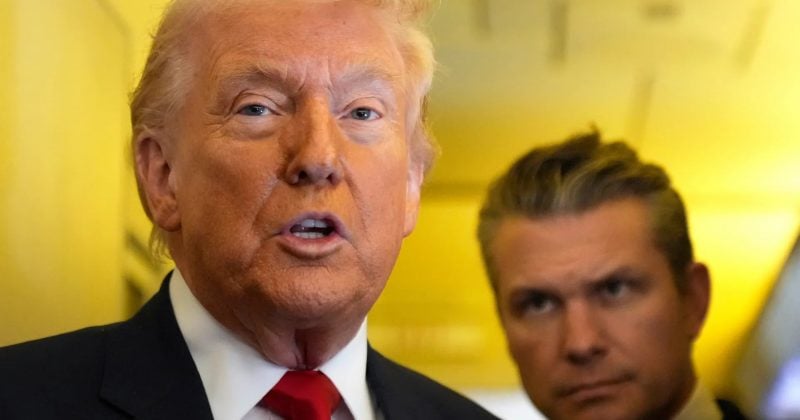
President Donald Trump declared that Iran will “pay” for the deaths of three American soldiers killed during Operation Epic Fury, ratcheting up rhetoric that has direct implications for global energy markets and, by extension, risk assets including crypto.
“Every time Iran kills an American Soldier they will pay for that killing many times over!” Trump said in a statement relayed to top military officials. The language was described as a formal directive to military leadership, not casual social media bluster.
The military situation on the ground
The three soldiers were killed during what the Pentagon has designated Operation Epic Fury, with five additional service members injured in the same engagement. At least six US military personnel have been killed and eighteen seriously injured across the broader conflict with Iran.
Trump’s stated objectives go well beyond retaliation for individual attacks. His aims reportedly include regime change in Tehran and dismantling Iran’s military capabilities, with particular focus on the country’s nuclear development program.
The acknowledgment of likely further US casualties has triggered growing domestic political backlash. Congressional discussions around war powers have intensified, with lawmakers questioning the scope of military engagement and whether proper authorization has been obtained.
Why crypto traders should care about Iran
Iran is one of the world’s significant oil producers, and any serious military confrontation threatens to disrupt supply routes through the Strait of Hormuz, a chokepoint through which roughly a fifth of the world’s petroleum passes daily.
Macro, rates, and crypto—what moved markets and what matters next.
Daily. Free. Join 34,000+ readers across crypto, finance, and policy.
Rising oil prices function like a tax on the entire global economy. They push inflation higher, make central banks less likely to cut interest rates, and generally make the macro environment more hostile for risk assets. Bitcoin and crypto have spent the last two years developing an increasingly strong correlation with liquidity conditions and rate expectations. A sustained oil shock would complicate the narrative around rate cuts that has been fueling much of the crypto rally.
Iran’s situation adds another variable: sanctions enforcement. The US has long targeted Iran with financial sanctions, and crypto has been one avenue through which sanctioned entities have attempted to move money. Escalation in the military conflict tends to bring escalation in sanctions enforcement, which could mean more scrutiny on exchanges and DeFi protocols that facilitate cross-border transfers. The Treasury Department’s Office of Foreign Assets Control has historically become more active during periods of heightened US-Iran tension.
The macro chessboard
Oil markets are the most obvious transmission mechanism. A wider conflict with Iran could push crude prices significantly higher, which would feed into inflation data and potentially delay or reverse the rate-cutting cycle that markets have been pricing in.
Congressional pushback on war powers adds a layer of political uncertainty that markets generally dislike. If lawmakers move to constrain the president’s authority to conduct military operations against Iran, it could create a period of policy ambiguity where neither escalation nor de-escalation is clearly priced in.
For investors watching from the crypto sidelines, the key metrics to track are oil prices, inflation expectations, Fed funds futures, and dollar strength. Those are the channels through which a conflict thousands of miles away shows up in your portfolio.