
Via en.wikipedia.org
Trump threatens renewed Iran strikes unless nuclear deal closes, with oil markets watching the Strait of Hormuz
Banks warn of resumed military action as US-Iran nuclear talks enter a fragile 60-day window
The last time the world held its breath over the Strait of Hormuz, oil markets convulsed and insurance premiums for tankers spiked overnight. That scenario is back on the table. US President Donald Trump has signaled he may order strikes on Iran if Tehran refuses to permanently end its nuclear program and keep the Strait of Hormuz open for global shipping.
A year of threats, cancellations, and uneasy pauses
In February 2026, Trump reportedly considered a limited initial strike on Iran, with internal discussions centering on a 10-day decision window for action. That window closed without a strike, replaced by a new round of diplomatic engagement.
Then came June 11, 2026. Trump canceled a fresh set of planned strikes after White House officials cited progress in negotiations. The cancellation came after Trump had publicly warned of what he called “very hard” actions against Tehran.
Current deal frameworks being discussed reportedly include timelines for a pause in Iran’s enrichment activities ranging from 10 to 20 years. A potential deal outline emerged in May and June 2026, with subsequent nuclear-specific talks penciled in across a 60-day period.
The news moving money, markets, and the world—before your day starts.
Daily. Free. Join 34,000+ readers across crypto, finance, and policy.
Why the Strait of Hormuz changes everything
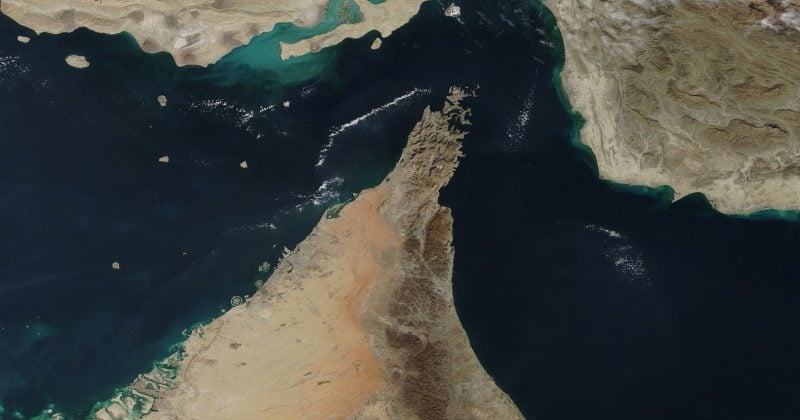
Roughly one-fifth of all global oil supply transits this narrow waterway between Iran and Oman. Folding Hormuz into the nuclear negotiation framework is a deliberate expansion of leverage by Tehran, essentially bundling two separate pressure points into one package deal.
What investors need to watch from here
Despite Bitcoin’s growing narrative as a geopolitical hedge asset, crypto markets showed no notable reactions to the US-Iran tension in 2026, in contrast to gold and oil. For traditional investors, the immediate exposure runs through energy equities, tanker stocks, and any portfolio with significant concentration in Asian markets dependent on Gulf supply routes.