
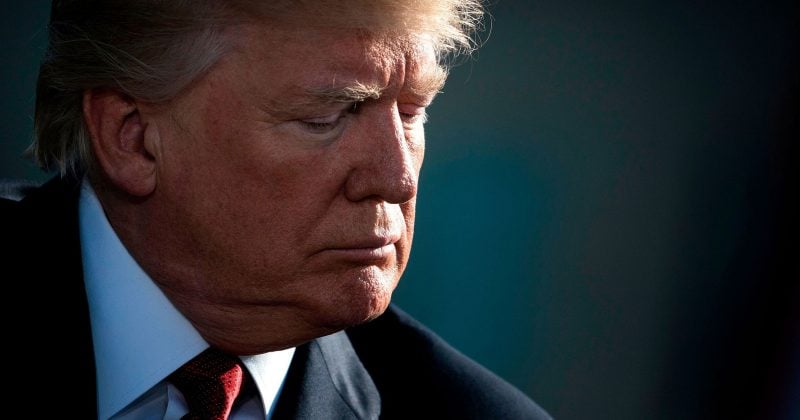
Via cnn.com
Trump presses for rate cuts, says he knows what Fed Chair Warsh wants to do
The president's public lobbying for lower rates collides with inflation running above 4%, creating a charged environment for crypto and risk assets
President Trump is back to his favorite hobby: publicly arm-twisting the Federal Reserve. This time, the target is a chair he personally installed.
Trump stated he knows what Fed Chair Kevin Warsh wants to do, expressing support for interest rate cuts. The comment lands at a particularly awkward moment, with the Fed having just held rates steady at 3.5-3.75% during Warsh’s first policy meeting on June 17, 2026, and inflation stubbornly running above 4%.
A chair of his own choosing
Trump nominated Warsh on March 4, 2026, and the new chair was sworn in on May 22, 2026, replacing Jerome Powell.
The president has made no secret of his desire for the “lowest interest rate in the world.” With inflation north of 4%, slashing rates aggressively would be the monetary policy equivalent of pouring gasoline on a campfire you’re trying to put out.
Warsh has signaled a commitment to bringing inflation back down to the Fed’s 2% target.
Bitcoin feels every tremor
The crypto market’s reaction to Warsh’s first rate decision was swift and predictable. Bitcoin dropped to approximately $64,800 after the Fed held rates steady before stabilizing near $65,300.
Macro, rates, and crypto—what moved markets and what matters next.
Daily. Free. Join 34,000+ readers across crypto, finance, and policy.
Economists are currently speculating that Warsh could oversee aggressive easing of up to 100 basis points over the course of 2026. That would bring the target range down to 2.5-2.75%.
The inflation problem nobody wants to talk about
The elephant in the room is that 4%-plus inflation makes aggressive rate cuts genuinely difficult to justify on the merits. The Fed’s dual mandate is price stability and maximum employment. Cutting rates while inflation runs at double the target would essentially mean abandoning half the mandate.
Warsh’s background as a former Fed governor during the 2008 financial crisis gives him institutional memory of what happens when monetary policy gets it wrong.
The current setup is more nuanced than a simple “rates down, Bitcoin up” trade. If rate cuts come because the economy is weakening, risk assets might not benefit the way bulls expect. If they come because inflation is genuinely cooling toward target, that’s a much more constructive backdrop for sustained appreciation in digital assets.
The next Fed meeting will be the real test. Warsh’s first decision was to hold steady. His second decision will reveal whether the central bank’s institutional independence remains intact despite having a chair who owes his job to the president demanding lower rates.