
Shipowners halt vessel calls at Ukraine’s Black Sea ports, threatening global grain supply chains
Around 90% of shipowners have stopped trading at Ukrainian ports as Russian strikes intensify during peak harvest season, with ripple effects already hitting commodity markets.
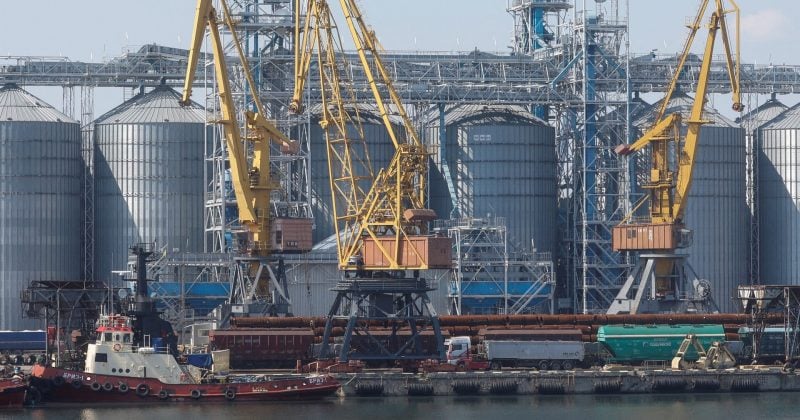
Ukraine’s Black Sea grain corridor has effectively gone dark. Shipowners have suspended vessel arrivals at Ukrainian ports after a sharp escalation in Russian military strikes on port infrastructure and merchant ships, according to Ukrainian Agriculture Minister Taras Vysotskyi.
Minister Vysotskyi clarified that the decision to suspend operations stemmed from shipowners’ concerns over security, rather than any government-imposed restrictions.
What happened and why it matters
Minister Vysotskyi announced on July 23 that vessel traffic had ground to a halt at the country’s Black Sea ports for agricultural exports. Around 90% of shipowners have stopped trading in Ukrainian ports, with existing bookings now under threat of cancellation.
The disruptions trace back to mid-July, when Russian missile and drone strikes intensified against major port hubs, particularly around Odesa. The result: Ukraine’s grain export capacity has plummeted by roughly one-third.
Maersk pulled its feeder service to Chornomorsk Fishing Port on July 22, citing security concerns after Russian attacks.
On certain peak harvest dates, zero vessels transited the Black Sea. Ukraine’s acting foreign minister has called for an urgent UN Security Council meeting following attacks on civilian cargo ships.
Macro, rates, and crypto—what moved markets and what matters next.
Daily. Free. Join 34,000+ readers across crypto, finance, and policy.
The global commodity ripple effect
Ukraine is one of the world’s largest exporters of corn and wheat, and when a third of that capacity disappears during harvest season, the math gets uncomfortable fast.
Buyers who relied on Ukrainian grain are now expected to pivot toward South American markets. Freight rates are likely to climb as war-risk premiums get baked into every Black Sea route, with insurance costs for vessels already elevated before the latest escalation.
The last time Ukrainian grain exports faced comparable disruption, in 2022, wheat futures surged to record highs and food price inflation became a dominant macro theme worldwide.
What investors should watch
Commodity traders are already repositioning. Wheat and corn futures should be watched closely for breakout moves that could signal broader inflationary pressure.
The UN Security Council response, or lack thereof, will also be telling. If the international community fails to establish any protective mechanism for commercial shipping in the Black Sea, the disruption could extend well beyond the current harvest season.