
US airstrikes hit Iranian ports as Iran launches regional attacks

Wikipedia/محوطه_شهیدکلانتری.jpg

US airstrikes hit Iranian ports as Iran launches regional attacks

Iran full airspace closure

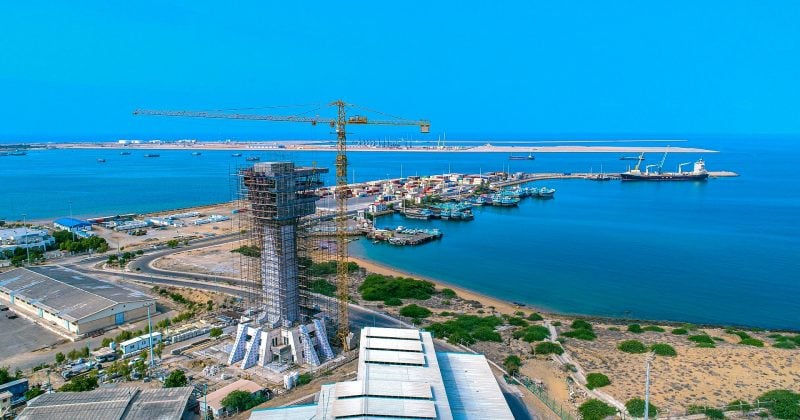
Recent developments in the ongoing conflict between the US and Iran have seen fresh US airstrikes targeting Iranian ports, while Iran has launched regional attacks. The escalation follows US President Donald Trump’s warning that Iran would “pay” for the deaths of US troops, leading to increased tensions. Qatar has condemned the Iranian strikes, appealing to the United Nations for intervention. These events mark a significant intensification in the 2026 Iran–US war, suggesting a further destabilization in the region.

In response to the escalations, markets appear to be pricing in an increased probability of Iran imposing a full airspace closure. The potential for a closure is reflected in the market odds, which show a rise in the likelihood as the situation unfolds. The current odds for a full airspace closure by July 31 stand at 30.5% YES, up from 26% a day earlier. This shift suggests market participants see the recent military actions and rhetoric as consistent with scenarios where Iran might close its airspace due to military threats.

Advertisement

The conflict’s impact extends beyond immediate military engagements. The reimposition of a US naval blockade on Iranian ports and the reinstatement of oil sanctions have resulted in a significant surge in global oil prices. These developments imply further economic and geopolitical ramifications as the international community closely monitors the situation.

Key Takeaways

  • Market pricing suggests an increased likelihood of Iran closing its airspace, with odds for a closure by July 31 rising to 30.5% YES.
  • The recent US airstrikes and Iranian regional attacks appear to be consistent with a potential escalation in the conflict.
  • Qatar’s appeal to the UN highlights the international dimensions of the conflict, potentially influencing future market movements.

What to Watch

Observers should monitor further statements from key actors such as the Civil Aviation Organization of Iran and Iranian State Television for any announcements regarding airspace closure. Additionally, any de-escalation rhetoric from President Trump or confirmation of strikes from credible sources like Reuters or AP could influence market movements. Developments in UN Security Council responses and oil market fluctuations will also be critical in assessing the ongoing impact of the conflict.

Get live prediction-market analysis, powered by Vera. Sign up for Vera.

Disclosure: This article was edited by Estefano Gomez. For more information on how we create and review content, see our Editorial Policy.

US airstrikes hit Iranian ports as Iran launches regional attacks

US airstrikes hit Iranian ports as Iran launches regional attacks

Iran full airspace closure

Wikipedia/محوطه_شهیدکلانتری.jpg

Recent developments in the ongoing conflict between the US and Iran have seen fresh US airstrikes targeting Iranian ports, while Iran has launched regional attacks. The escalation follows US President Donald Trump’s warning that Iran would “pay” for the deaths of US troops, leading to increased tensions. Qatar has condemned the Iranian strikes, appealing to the United Nations for intervention. These events mark a significant intensification in the 2026 Iran–US war, suggesting a further destabilization in the region.

In response to the escalations, markets appear to be pricing in an increased probability of Iran imposing a full airspace closure. The potential for a closure is reflected in the market odds, which show a rise in the likelihood as the situation unfolds. The current odds for a full airspace closure by July 31 stand at 30.5% YES, up from 26% a day earlier. This shift suggests market participants see the recent military actions and rhetoric as consistent with scenarios where Iran might close its airspace due to military threats.

Advertisement

The conflict’s impact extends beyond immediate military engagements. The reimposition of a US naval blockade on Iranian ports and the reinstatement of oil sanctions have resulted in a significant surge in global oil prices. These developments imply further economic and geopolitical ramifications as the international community closely monitors the situation.

Key Takeaways

  • Market pricing suggests an increased likelihood of Iran closing its airspace, with odds for a closure by July 31 rising to 30.5% YES.
  • The recent US airstrikes and Iranian regional attacks appear to be consistent with a potential escalation in the conflict.
  • Qatar’s appeal to the UN highlights the international dimensions of the conflict, potentially influencing future market movements.

What to Watch

Observers should monitor further statements from key actors such as the Civil Aviation Organization of Iran and Iranian State Television for any announcements regarding airspace closure. Additionally, any de-escalation rhetoric from President Trump or confirmation of strikes from credible sources like Reuters or AP could influence market movements. Developments in UN Security Council responses and oil market fluctuations will also be critical in assessing the ongoing impact of the conflict.

Get live prediction-market analysis, powered by Vera. Sign up for Vera.

Disclosure: This article was edited by Estefano Gomez. For more information on how we create and review content, see our Editorial Policy.