
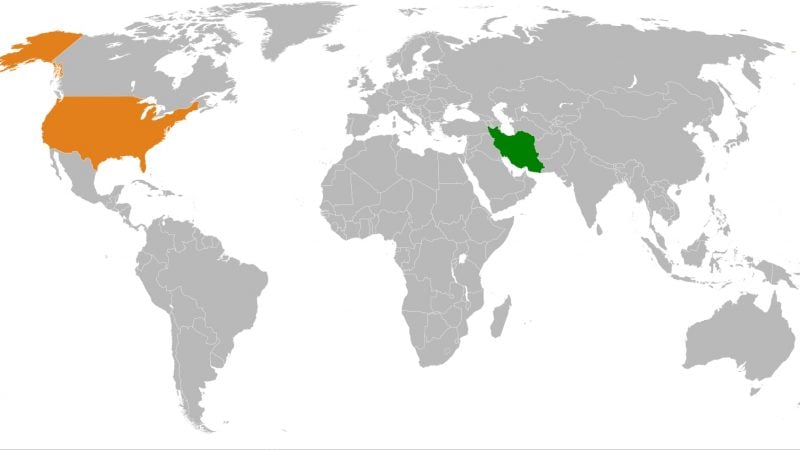
US and Iran trade threats amid rising tensions after Houthi attacks on Saudi Arabia

CryptoBriefing

US and Iran trade threats amid rising tensions after Houthi attacks on Saudi Arabia

US-Iran Deal in 2026

The United States and Iran have exchanged threats as the geopolitical tension rises following Houthi attacks on Saudi Arabia. The reported escalation, described as unprecedented in scale against Riyadh, heightens regional instability and complicates diplomatic efforts. In the backdrop of these developments, markets have responded by adjusting the perceived likelihood of a US-Iran deal in 2026, specifically regarding Iran Reconstruction Funding.

Advertisement

The current market pricing indicates decreased confidence in a US-Iran deal materializing this year. The possibility of such a deal is now reflected in a 15% YES probability, a slight decrease from previous days. The situation suggests that the complex geopolitical environment, exacerbated by recent hostilities and threats, is seen as a hindrance to potential diplomatic breakthroughs. Key figures involved in these negotiations include U.S. President Donald Trump and Iranian Foreign Minister Javad Zarif, with mediation efforts from Qatar and Pakistan.

Key Takeaways

  • Market pricing suggests reduced likelihood of a US-Iran deal in 2026 following recent regional tensions.
  • The probability of Iran Reconstruction Funding being part of the deal currently stands at 15% YES, reflecting recent geopolitical developments.
  • Escalating threats between the US and Iran, coupled with Houthi attacks on Saudi Arabia, appear to create an unstable environment for negotiations.

What to Watch

Observers should monitor further diplomatic interactions between the US and Iran, as well as any responses from Saudi Arabia following the Houthi attacks. Statements or actions by key negotiators such as Mike Vance and developments in mediation efforts could provide indications of potential shifts in market sentiment. Additionally, any military actions in the region, particularly involving Israel or Lebanon, could further influence the perceived likelihood of a deal.

Get live prediction-market analysis, powered by Vera. Sign up for Vera.

Disclosure: This article was edited by Estefano Gomez. For more information on how we create and review content, see our Editorial Policy.
US and Iran trade threats amid rising tensions after Houthi attacks on Saudi Arabia

US-Iran Deal in 2026

CryptoBriefing

The United States and Iran have exchanged threats as the geopolitical tension rises following Houthi attacks on Saudi Arabia. The reported escalation, described as unprecedented in scale against Riyadh, heightens regional instability and complicates diplomatic efforts. In the backdrop of these developments, markets have responded by adjusting the perceived likelihood of a US-Iran deal in 2026, specifically regarding Iran Reconstruction Funding.

Advertisement

The current market pricing indicates decreased confidence in a US-Iran deal materializing this year. The possibility of such a deal is now reflected in a 15% YES probability, a slight decrease from previous days. The situation suggests that the complex geopolitical environment, exacerbated by recent hostilities and threats, is seen as a hindrance to potential diplomatic breakthroughs. Key figures involved in these negotiations include U.S. President Donald Trump and Iranian Foreign Minister Javad Zarif, with mediation efforts from Qatar and Pakistan.

Key Takeaways

  • Market pricing suggests reduced likelihood of a US-Iran deal in 2026 following recent regional tensions.
  • The probability of Iran Reconstruction Funding being part of the deal currently stands at 15% YES, reflecting recent geopolitical developments.
  • Escalating threats between the US and Iran, coupled with Houthi attacks on Saudi Arabia, appear to create an unstable environment for negotiations.

What to Watch

Observers should monitor further diplomatic interactions between the US and Iran, as well as any responses from Saudi Arabia following the Houthi attacks. Statements or actions by key negotiators such as Mike Vance and developments in mediation efforts could provide indications of potential shifts in market sentiment. Additionally, any military actions in the region, particularly involving Israel or Lebanon, could further influence the perceived likelihood of a deal.

Get live prediction-market analysis, powered by Vera. Sign up for Vera.

Disclosure: This article was edited by Estefano Gomez. For more information on how we create and review content, see our Editorial Policy.