
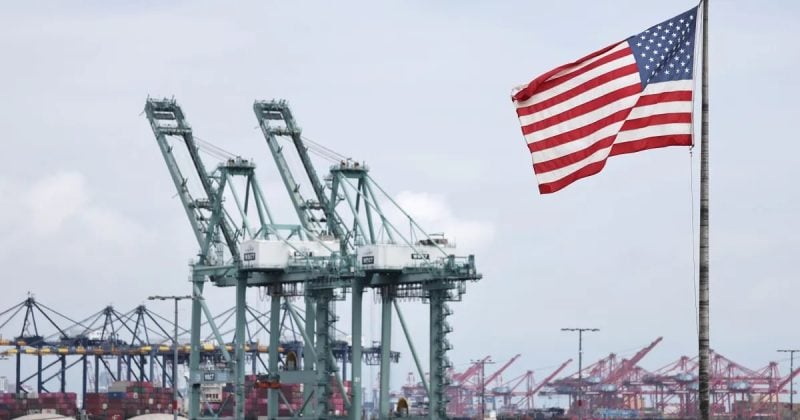
Via supplychaindive.com
US copper imports surge as traders brace for Trump tariff decision
Monthly copper inflows hit their highest level in over a decade as traders stockpile ahead of potential refined copper tariffs
US copper imports in July spiked to roughly 200,000 metric tons, the largest monthly inflow recorded in shipping data going back to at least 2014. Traders are front-running what could be a major tariff escalation on refined copper, and the scale of the positioning is hard to ignore.
The surge follows a period where US refined copper imports have already been running hot, averaging around 140,000 tonnes per month from January 2025 through May 2026. That’s nearly double the 2024 monthly average.
What’s driving the rush
On August 1, 2025, 50% Section 232 tariffs went into effect on semi-finished copper products. But refined copper cathodes, the most commonly traded form of the metal, were exempted from that initial round. That exemption created a window, and traders have been climbing through it ever since.
The Commerce Department was tasked with studying domestic copper refining capacity and making updated recommendations on whether to extend tariffs to refined copper. That updated recommendation was due from the Commerce Secretary by June 30, 2026. The phased approach initially contemplated would start tariffs on refined copper at 15% in 2027, rising to 30% in 2028.
The result is visible in warehouse data. COMEX inventories of copper have ballooned from approximately 80,000 tonnes to around 650,000 tonnes. That’s an eightfold increase, and it represents one of the most dramatic inventory builds the exchange has seen in recent memory.
Macro, rates, and crypto—what moved markets and what matters next.
Daily. Free. Join 34,000+ readers across crypto, finance, and policy.
The tariff math and global supply squeeze
The logic for traders is straightforward. If you can import refined copper now at zero tariff and sell it later into a market where competitors face a 15% or 30% levy, you’ve created a significant cost advantage.
Global copper prices have reflected this tension. The premium for US-delivered copper over London Metal Exchange benchmarks has remained elevated, incentivizing shipments to flow toward American ports rather than to buyers in Asia or Europe.
What this means for investors
For commodity investors, the key variable is the presidential decision itself. If Trump imposes tariffs at the higher end of the contemplated range, the traders who stockpiled will look prescient. If the decision gets delayed or watered down, those 650,000 tonnes sitting in COMEX warehouses start looking like an expensive bet that needs unwinding.
Mining equities and copper ETFs are caught in the crossfire. Companies with significant US refining operations could benefit from tariff protection, while those reliant on exporting refined product to America face margin compression.