
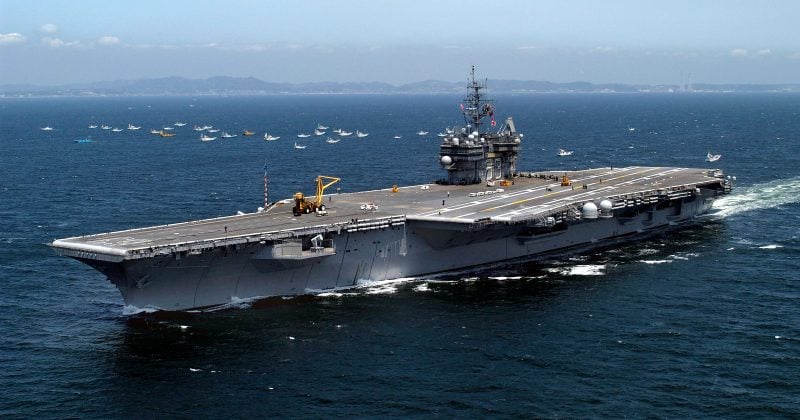
The United States is ramping up its military presence in the Middle East, deploying additional aircraft to counter threats from Iran. This strategic move comes amid concerns over depleted air-defense systems and long-range munitions, which could hinder extended operations in the region. The expanded deployment includes over 120 aircraft and two carrier strike groups, marking the largest U.S. military buildup in the area since the 2003 Iraq invasion. Market participants appear to view these developments as potentially increasing the risk of Houthi attacks on shipping, as the U.S. military’s ability to sustain a prolonged campaign may be limited.
Key Takeaways
- The U.S. military’s increased presence in the Middle East suggests a heightened risk of regional conflict, as reflected in market pricing.
- Shortages in critical munitions could impede the U.S.’s ability to maintain prolonged military engagements, influencing market expectations.
- The deployment of additional U.S. military assets appears consistent with scenarios where tensions with Iran could escalate further.
What to Watch
Observers should monitor any official announcements from the U.S. Department of Defense regarding the replenishment of munitions stocks, as this could influence the sustainability of military operations. Key statements from Iranian leadership or significant movements of U.S. military assets in the region could further impact market pricing on related geopolitical events. The potential for Houthi attacks on shipping remains a critical factor to watch, as market participants may adjust their expectations based on developments in military and diplomatic efforts.