
US factory activity expands at strongest pace since 2022, signaling potential tailwinds for risk assets

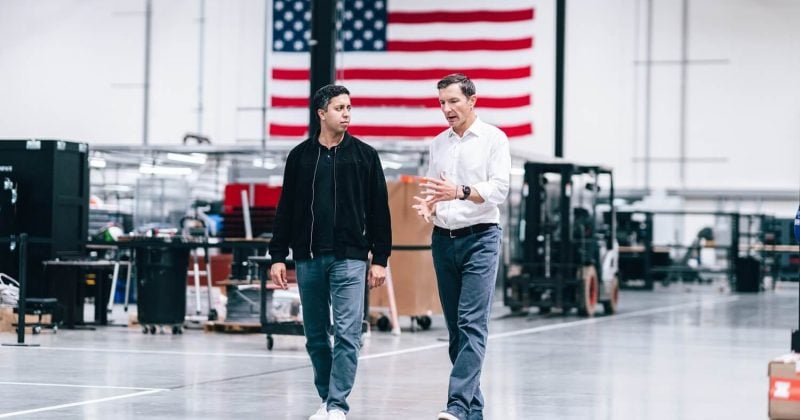
Via exim.gov

US factory activity expands at strongest pace since 2022, signaling potential tailwinds for risk assets

The ISM manufacturing index jumped to 55.6 in July, beating expectations and marking seven straight months of expansion as production hits levels not seen since late 2021.

American factories are humming again. The Institute for Supply Management’s Manufacturing PMI climbed to 55.6 in July, up from 53.3 in June, marking the strongest reading since May 2022. Analysts had expected 54.0, so the beat wasn’t subtle.

The numbers behind the surge

Production surged to 58.5, its highest level since November 2021. New orders came in at 56.7, suggesting demand isn’t just holding steady but actively accelerating.

Perhaps the most encouraging detail: employment returned to expansion territory at 52.8, the first time the employment sub-index has shown growth since January 2025.

Advertisement

On the cost side, the prices index actually dipped to 71.1 from 73.0 in June. Still elevated, but the direction is right.

July marks the seventh consecutive month of manufacturing expansion, a streak that looks even more notable given the sector endured 10 straight months of contraction before this run began. The broader economy, meanwhile, has been expanding for 21 continuous months.

ISM committee chair Susan Spence pointed to a rebound in employment and noted that companies have been front-loading orders due to supply chain concerns. Supplier deliveries have now shown prolonged slowdowns for eight consecutive months, meaning lead times are stretching, which often incentivizes businesses to order early and order big.

What’s driving the expansion

Three forces are converging to fuel this manufacturing revival. First, geopolitical tensions have prompted companies to build inventory buffers. Second, ongoing investment in AI technologies is creating genuine demand for hardware — servers, chips, networking equipment, cooling systems. Third, the effects of import tariffs appear to be abating, with new supplier relationships established and domestic capacity expanded.

Why crypto investors should pay attention

The employment recovery is particularly significant. A manufacturing sector that’s adding jobs suggests the labor market remains resilient, which reduces recession risk.

There’s a risk worth flagging, though. The supplier deliveries slowdown, now in its eighth consecutive month, could eventually become a bottleneck. And the prices index, while improving, is still above 70, meaning input costs remain elevated by historical standards.

Disclosure: This article was edited by Editorial Team. For more information on how we create and review content, see our Editorial Policy.

US factory activity expands at strongest pace since 2022, signaling potential tailwinds for risk assets

US factory activity expands at strongest pace since 2022, signaling potential tailwinds for risk assets

The ISM manufacturing index jumped to 55.6 in July, beating expectations and marking seven straight months of expansion as production hits levels not seen since late 2021.

Via exim.gov

American factories are humming again. The Institute for Supply Management’s Manufacturing PMI climbed to 55.6 in July, up from 53.3 in June, marking the strongest reading since May 2022. Analysts had expected 54.0, so the beat wasn’t subtle.

The numbers behind the surge

Production surged to 58.5, its highest level since November 2021. New orders came in at 56.7, suggesting demand isn’t just holding steady but actively accelerating.

Perhaps the most encouraging detail: employment returned to expansion territory at 52.8, the first time the employment sub-index has shown growth since January 2025.

Advertisement

On the cost side, the prices index actually dipped to 71.1 from 73.0 in June. Still elevated, but the direction is right.

July marks the seventh consecutive month of manufacturing expansion, a streak that looks even more notable given the sector endured 10 straight months of contraction before this run began. The broader economy, meanwhile, has been expanding for 21 continuous months.

ISM committee chair Susan Spence pointed to a rebound in employment and noted that companies have been front-loading orders due to supply chain concerns. Supplier deliveries have now shown prolonged slowdowns for eight consecutive months, meaning lead times are stretching, which often incentivizes businesses to order early and order big.

What’s driving the expansion

Three forces are converging to fuel this manufacturing revival. First, geopolitical tensions have prompted companies to build inventory buffers. Second, ongoing investment in AI technologies is creating genuine demand for hardware — servers, chips, networking equipment, cooling systems. Third, the effects of import tariffs appear to be abating, with new supplier relationships established and domestic capacity expanded.

Why crypto investors should pay attention

The employment recovery is particularly significant. A manufacturing sector that’s adding jobs suggests the labor market remains resilient, which reduces recession risk.

There’s a risk worth flagging, though. The supplier deliveries slowdown, now in its eighth consecutive month, could eventually become a bottleneck. And the prices index, while improving, is still above 70, meaning input costs remain elevated by historical standards.

Disclosure: This article was edited by Editorial Team. For more information on how we create and review content, see our Editorial Policy.