
US government’s crypto holdings drop $16 billion from their peak

US government’s crypto holdings drop $16 billion from their peak

Washington's Bitcoin stash has shed billions in paper value since Bitcoin topped out near $124,000 a year ago

The US government’s crypto holdings have dropped by $16 billion since peaking a year ago. Washington didn’t sell a thing to get there. It simply held on while the market moved against it.

From $40.7 billion to a smaller pile

The peak came in October 2025. At that point, the government’s Bitcoin holdings were reportedly worth around $40.7 billion. Bitcoin was trading near its all-time high of roughly $124,000.

As Bitcoin’s price slid in the months that followed, the estimated value of the federal stash fell into a range of $20 to $28 billion, depending on where the market sat on any given day. At its worst points, the drawdown from the peak reached approximately $20 billion.

Advertisement

As of early October 2026, the government is estimated to hold between 319,000 and 328,000 BTC. At prevailing prices near $82,000 to $83,000, that works out to a valuation of approximately $26 billion to $28 billion.

The $17 billion that got away

White House crypto advisor David Sacks has pointed to an earlier, arguably more painful figure. According to Sacks, the US government’s past sales of seized Bitcoin brought in approximately $366 million. Those same coins would now carry an estimated value of $17 billion.

That gap represents an opportunity cost of around $16 to $17 billion. The government sold low, and is now watching from the sidelines as those coins trade at a far higher value in someone else’s wallet.

A policy shift that changed the math

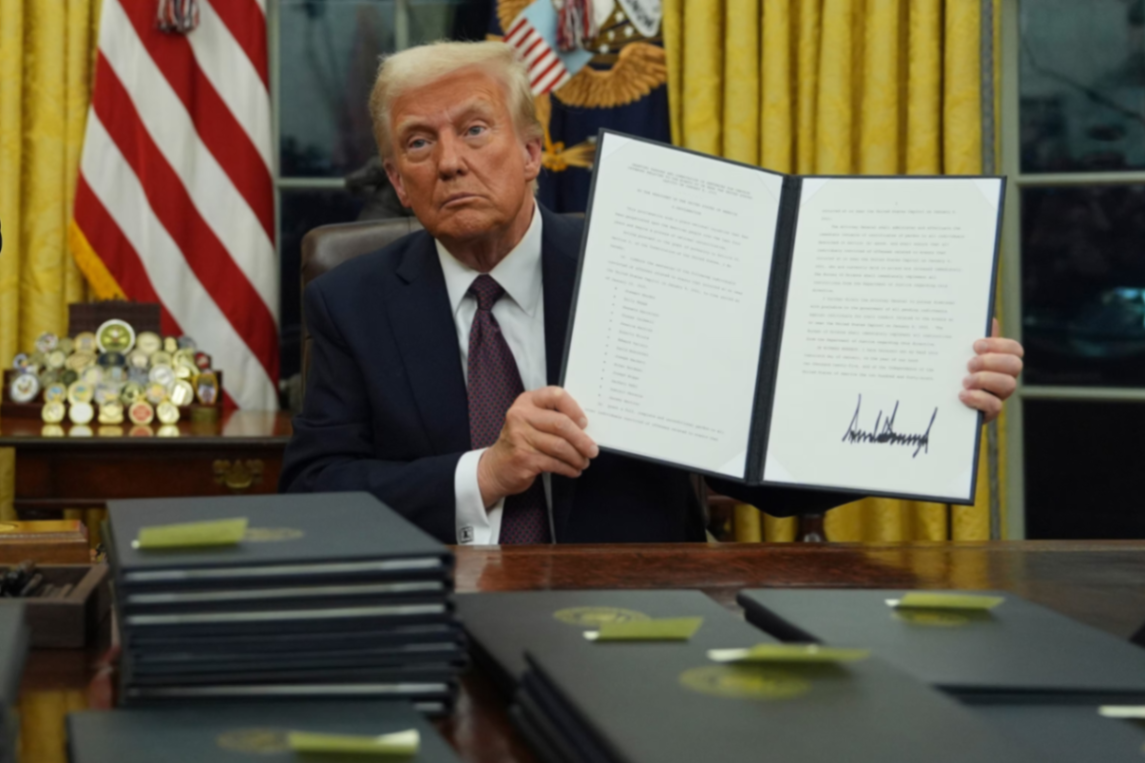
The government stopped making routine sales after a March 2025 executive order established a Strategic Bitcoin Reserve. The order halted the regular liquidation of forfeited Bitcoin, which had been the standard practice for seized assets.

In the first week of October 2026 alone, government-linked wallets moved more than $1 billion in Bitcoin, mostly to custody addresses at Coinbase Prime. The interpretation circulating is that the moves are likely administrative rather than a signal that coins are about to hit the market.

What this means for the market and for Washington

For policymakers, the past year delivers an awkward lesson. Critics of the reserve can point to a paper drop of $16 billion from the peak as proof that holding volatile assets is risky. Supporters can point to Sacks’ estimate that earlier sales left roughly $16 to $17 billion on the table.

Both sides are using real numbers. One is the cost of selling too early, and the other is the cost of holding through a decline. The October 2025 high near $124,000 and current prices near $82,000 to $83,000 now serve as the reference points for that argument.

Disclosure: This article was edited by Vivian Nguyen. For more information on how we create and review content, see our Editorial Policy.
US government’s crypto holdings drop $16 billion from their peak

Washington's Bitcoin stash has shed billions in paper value since Bitcoin topped out near $124,000 a year ago

The US government’s crypto holdings have dropped by $16 billion since peaking a year ago. Washington didn’t sell a thing to get there. It simply held on while the market moved against it.

From $40.7 billion to a smaller pile

The peak came in October 2025. At that point, the government’s Bitcoin holdings were reportedly worth around $40.7 billion. Bitcoin was trading near its all-time high of roughly $124,000.

As Bitcoin’s price slid in the months that followed, the estimated value of the federal stash fell into a range of $20 to $28 billion, depending on where the market sat on any given day. At its worst points, the drawdown from the peak reached approximately $20 billion.

Advertisement

As of early October 2026, the government is estimated to hold between 319,000 and 328,000 BTC. At prevailing prices near $82,000 to $83,000, that works out to a valuation of approximately $26 billion to $28 billion.

The $17 billion that got away

White House crypto advisor David Sacks has pointed to an earlier, arguably more painful figure. According to Sacks, the US government’s past sales of seized Bitcoin brought in approximately $366 million. Those same coins would now carry an estimated value of $17 billion.

That gap represents an opportunity cost of around $16 to $17 billion. The government sold low, and is now watching from the sidelines as those coins trade at a far higher value in someone else’s wallet.

A policy shift that changed the math

The government stopped making routine sales after a March 2025 executive order established a Strategic Bitcoin Reserve. The order halted the regular liquidation of forfeited Bitcoin, which had been the standard practice for seized assets.

In the first week of October 2026 alone, government-linked wallets moved more than $1 billion in Bitcoin, mostly to custody addresses at Coinbase Prime. The interpretation circulating is that the moves are likely administrative rather than a signal that coins are about to hit the market.

What this means for the market and for Washington

For policymakers, the past year delivers an awkward lesson. Critics of the reserve can point to a paper drop of $16 billion from the peak as proof that holding volatile assets is risky. Supporters can point to Sacks’ estimate that earlier sales left roughly $16 to $17 billion on the table.

Both sides are using real numbers. One is the cost of selling too early, and the other is the cost of holding through a decline. The October 2025 high near $124,000 and current prices near $82,000 to $83,000 now serve as the reference points for that argument.

Disclosure: This article was edited by Vivian Nguyen. For more information on how we create and review content, see our Editorial Policy.