
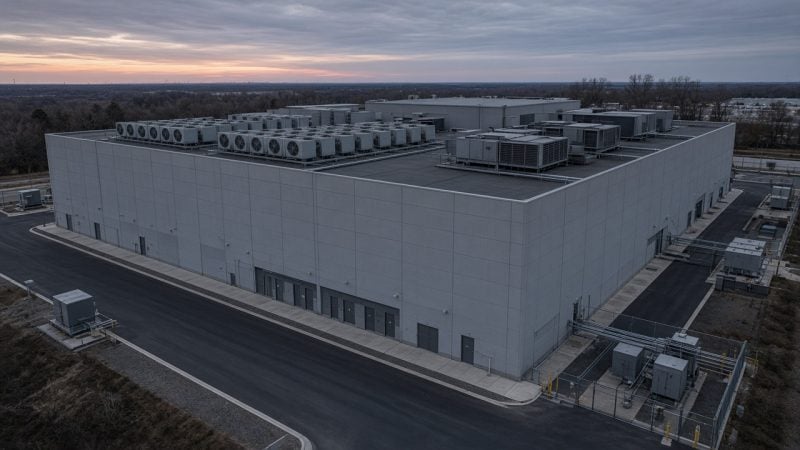
As the U.S. midterm elections approach, voter dissatisfaction regarding rising electricity costs has intensified, with data centers becoming a focal point of blame. Data centers, which accounted for approximately 4.7% of U.S. electricity consumption in 2024, are projected to increase their share significantly by 2030. This surge in consumption has raised concerns about the impact on residential electricity bills, with an estimated $1.4 billion in costs attributed to data center demand. The growing backlash has caught the attention of both state and federal lawmakers, prompting discussions on potential moratoriums in states like Oklahoma and Louisiana.
Key Takeaways
- Market pricing suggests growing support for a potential data center moratorium in Oklahoma, reflected in recent pricing movements.
- Voter discontent over electricity costs appears to be influencing legislative considerations in multiple states, including Oklahoma and Louisiana.
- The attention from bipartisan congressional members indicates that data center impacts on electricity costs are becoming a significant policy issue.
What to Watch
Moving forward, attention will be on whether Oklahoma and Louisiana take legislative steps toward enacting data center moratoriums. Indicators such as state bills being filed or gaining bipartisan support could suggest increased likelihood of such measures. Additionally, statements or studies from key state actors like governors or utility commissions could influence market expectations on the potential enactment of moratoriums. As the U.S. midterms draw closer, developments in this area may have broader implications for national energy policy discussions.