
https://en.wikipedia.org/wiki/Arleigh_Burke-class_destroyer
US military lacks naval destroyers for Israel protection amid regional tensions
Israel-Iran ceasefire
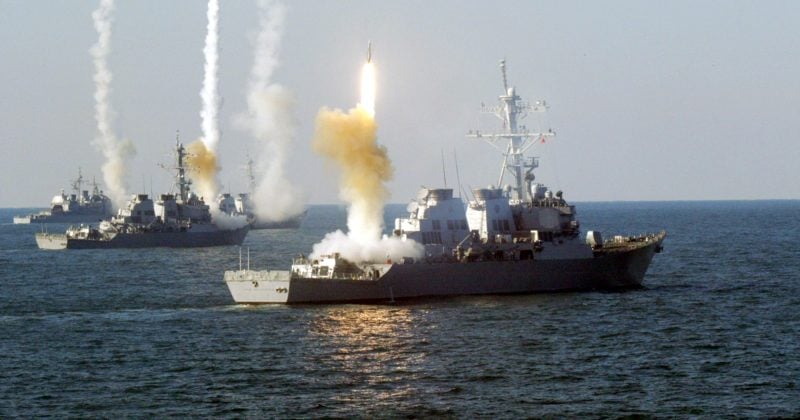
General Grynkewich has acknowledged that the U.S. military currently lacks sufficient naval destroyers to adequately protect both Israel and the U.S. homeland. This admission highlights a strain on U.S. naval resources amid ongoing tensions in the region, particularly involving the Israel–Hamas conflict and broader Israel–Iran escalation. The U.S. Navy has been operating below its target fleet size, which affects its ability to deploy ships across multiple theaters. This development underscores a resource allocation challenge rather than a shift in U.S. policy towards Israel.
Key Takeaways
- The U.S. military’s admission about limited naval resources appears to suggest increased vulnerability in the region.
- Market pricing indicates a decrease in confidence regarding the continuation of a ceasefire between Israel and Iran.
- Resource constraints may indicate prolonged strain on U.S. military operations in the Middle East.
What to Watch
Observers should monitor any shifts in U.S. naval deployments in the region, as changes could indicate strategic reallocations. Statements from key political leaders, such as U.S. President Donald Trump or Israeli Prime Minister Benjamin Netanyahu, could suggest shifts in diplomatic or military strategies. Additionally, any developments in the Israel–Hamas conflict or broader regional tensions could further impact the likelihood of a ceasefire extension. Markets appear sensitive to these dynamics, with odds reflecting fluctuating confidence in a stable ceasefire.