
US begins operations in pilot zones in southern Lebanon as ceasefire framework takes shape
Washington launches ground-level implementation of its Lebanon-Israel ceasefire deal, with the Lebanese army moving into designated zones and Hezbollah watching from the sidelines
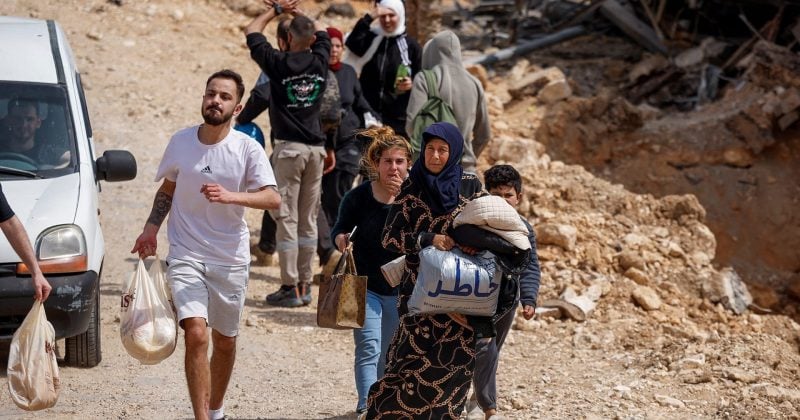
The US has confirmed that operations are underway in southern Lebanon’s designated pilot zones, marking the first concrete step in implementing the ceasefire framework brokered between Israel and Lebanon.
The pilot zone model is the core architecture of the deal. Specific areas of southern Lebanon are being handed over to the Lebanese Armed Forces, with the explicit goal of squeezing out non-state armed groups, primarily Hezbollah, from those areas over time. The LAF goes in, takes control, and Israeli forces begin pulling back.
What the framework actually involves
The agreement was publicly announced in June 2026, following a series of trilateral talks that included sessions in Washington and Rome. The structure is phased, with Israel’s withdrawal from initial pilot zones expected to begin as early as July 2026.
US financial backing is a central pillar. Washington has committed over $30 million specifically for LAF training and capacity-building, alongside $100 million in humanitarian aid directed at southern Lebanon.
The Lebanese Armed Forces are the designated exclusive security authority within these zones. Israel’s phased withdrawal is tied directly to LAF deployment milestones.
The news moving money, markets, and the world—before your day starts.
Daily. Free. Join 34,000+ readers across crypto, finance, and policy.
The Hezbollah problem hasn’t gone away
Hezbollah’s leadership has publicly rejected parts of the agreement. The ceasefire also builds on a previous cessation of hostilities reached in April 2026, which held long enough to create political space for the more formal framework.
Southern Lebanon has been the site of overlapping authority claims for decades, with the LAF historically operating alongside, rather than in place of, Hezbollah’s military infrastructure. The pilot zone model is explicitly designed to change that calculus.
What investors and market watchers should understand
Lebanon’s economy has been in effective freefall for years, and the country’s ability to attract reconstruction investment or international financial support is directly tied to the security situation in the south. A functioning pilot zone model that holds would be a precondition for any serious conversation about IMF engagement or international lending resumption, both of which have stalled repeatedly due to governance and security concerns.
The $100 million in US humanitarian aid signals American political investment in the outcome. When Washington ties that level of financial commitment to a security framework, it tends to stay engaged longer than in deals where the rhetoric outpaces the dollars.
Hezbollah’s decision to publicly reject parts of the agreement while operations begin on the ground creates an ambiguous situation where the framework is both active and contested simultaneously.