
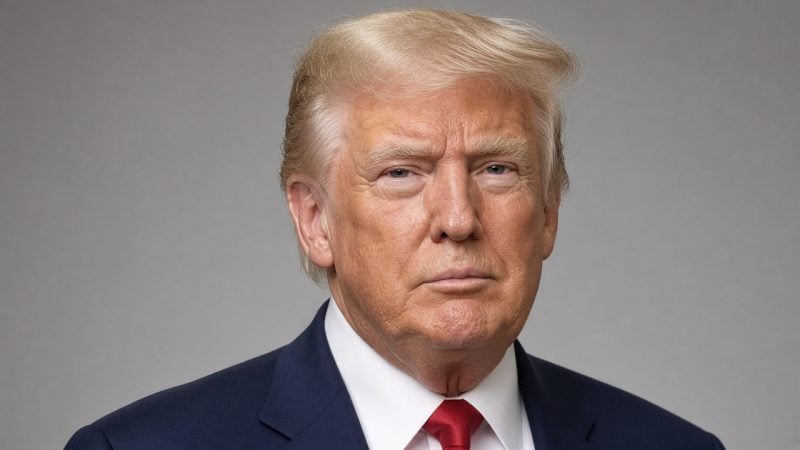
US President Donald Trump spoke by phone with Yemeni President Rashad al-Alimi on Sunday

CryptoBriefing

US President Donald Trump spoke by phone with Yemeni President Rashad al-Alimi on Sunday

US-Iran peace talks

US President Donald Trump engaged in a phone conversation with Yemeni President Rashad al-Alimi, reportedly discussing the strategic advances of the Tehran-backed Houthis near the Bab el-Mandeb Strait. This interaction comes amid heightened tensions in the region, where the Iran-backed Houthis have been gaining ground against Yemen’s Saudi-supported government. President al-Alimi sought US support for his government, yet according to sources, Trump did not offer a direct commitment to military assistance. The Bab el-Mandeb Strait is a critical maritime chokepoint, raising concerns about the potential implications for international shipping and regional stability.

Advertisement

Key Takeaways

  • The conversation between Trump and al-Alimi appears to highlight ongoing regional tensions without a clear US commitment to military support.
  • Pricing suggests that the lack of direct US military backing could indicate decreased likelihood of imminent US-Iran peace talks.
  • The ongoing situation in Yemen and the strategic importance of Bab el-Mandeb may influence future diplomatic engagements involving the US and Iran.

What to Watch

Observers will be watching for any official statements from the White House or Pentagon regarding potential US involvement in Yemen following the call. The possibility of future US-Iran diplomatic meetings remains uncertain, and any developments in the region could further impact the odds of such engagements occurring soon. Additionally, the response from other regional actors, such as Saudi Arabia and Iran, may offer further insights into the evolving geopolitical dynamics.

Get live prediction-market analysis, powered by Vera. Sign up for Vera.

Disclosure: This article was edited by Estefano Gomez. For more information on how we create and review content, see our Editorial Policy.
US President Donald Trump spoke by phone with Yemeni President Rashad al-Alimi on Sunday

US-Iran peace talks

CryptoBriefing

US President Donald Trump engaged in a phone conversation with Yemeni President Rashad al-Alimi, reportedly discussing the strategic advances of the Tehran-backed Houthis near the Bab el-Mandeb Strait. This interaction comes amid heightened tensions in the region, where the Iran-backed Houthis have been gaining ground against Yemen’s Saudi-supported government. President al-Alimi sought US support for his government, yet according to sources, Trump did not offer a direct commitment to military assistance. The Bab el-Mandeb Strait is a critical maritime chokepoint, raising concerns about the potential implications for international shipping and regional stability.

Advertisement

Key Takeaways

  • The conversation between Trump and al-Alimi appears to highlight ongoing regional tensions without a clear US commitment to military support.
  • Pricing suggests that the lack of direct US military backing could indicate decreased likelihood of imminent US-Iran peace talks.
  • The ongoing situation in Yemen and the strategic importance of Bab el-Mandeb may influence future diplomatic engagements involving the US and Iran.

What to Watch

Observers will be watching for any official statements from the White House or Pentagon regarding potential US involvement in Yemen following the call. The possibility of future US-Iran diplomatic meetings remains uncertain, and any developments in the region could further impact the odds of such engagements occurring soon. Additionally, the response from other regional actors, such as Saudi Arabia and Iran, may offer further insights into the evolving geopolitical dynamics.

Get live prediction-market analysis, powered by Vera. Sign up for Vera.

Disclosure: This article was edited by Estefano Gomez. For more information on how we create and review content, see our Editorial Policy.