
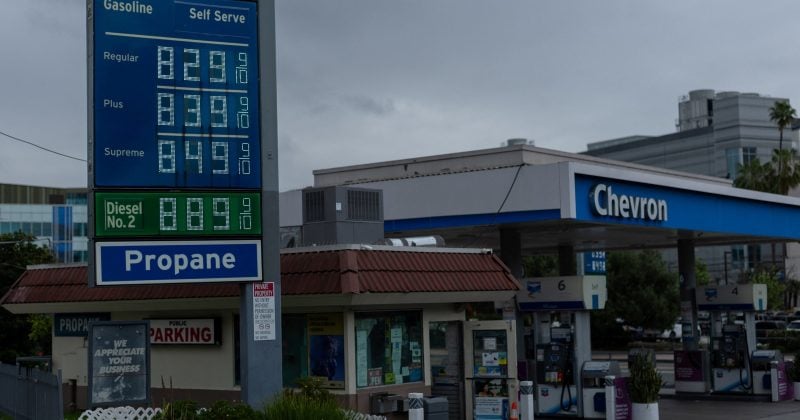
US pump prices cross $4 as Middle East conflict rattles energy markets
Rising gasoline prices signal broader inflation risk that could pull investor appetite away from crypto and other risk assets.
American drivers are paying more than $4 per gallon at the pump again, and the reason is familiar: fighting in the Middle East has markets pricing in the possibility that oil supply gets complicated fast.
The $4 threshold is not just a round number. It carries real psychological weight for consumers and policymakers alike, the kind of figure that starts showing up in inflation surveys, Federal Reserve meeting minutes, and eventually, asset prices across the board.
Why a gasoline number matters to financial markets
Here is the basic chain of events. Conflict escalates in the Middle East, traders attach a risk premium to oil because the region sits on a significant portion of global supply routes, crude prices climb, and that cost filters down to the pump within days.
The supply-risk premium concept is important here. Markets do not wait for actual supply disruptions to price in danger. The mere credible threat of disruption is enough to push energy costs higher, which is exactly what appears to be happening now.
Higher energy costs feed into broader consumer price data. Gasoline is one of the most visible line items in household budgets, the price is literally on a sign you drive past every day, which makes it a powerful shaper of inflation expectations even before the official data catches up.
What this means for digital asset markets
Crypto has a complicated relationship with macro volatility. Bitcoin and other major tokens occasionally trade as inflation hedges, but more often than not, sharp spikes in oil prices trigger risk-off behavior where investors reduce exposure to anything perceived as speculative.
The news moving money, markets, and the world—before your day starts.
Daily. Free. Join 34,000+ readers across crypto, finance, and policy.
The historical pattern is fairly consistent: when energy costs surge rapidly due to geopolitical shocks, digital asset markets tend to see short-term weakness as broader market sentiment turns cautious.
So far, major tokens have not seen dramatic immediate moves in response to the pump price breach. But the more important question is what happens to inflation readings over the next several weeks, and how the Fed interprets them.
The broader macro context investors should watch
The Fed’s ability to pivot toward rate cuts depends heavily on inflation trending in the right direction. An oil-driven inflation spike, even if temporary, can delay that pivot and keep borrowing costs elevated longer than markets had priced in.
For crypto specifically, the Fed policy outlook has been one of the dominant price drivers over the past several years. The 2022 rate hike cycle coincided with one of the deepest crypto bear markets on record. The anticipation of cuts in late 2023 and into 2024 helped fuel a significant recovery across digital assets.
What to watch in the near term: the trajectory of the Middle East conflict and whether it shows signs of broadening or de-escalating, the next round of US consumer price data, and any signals from Federal Reserve officials about how they are weighting energy prices in their inflation assessments.