
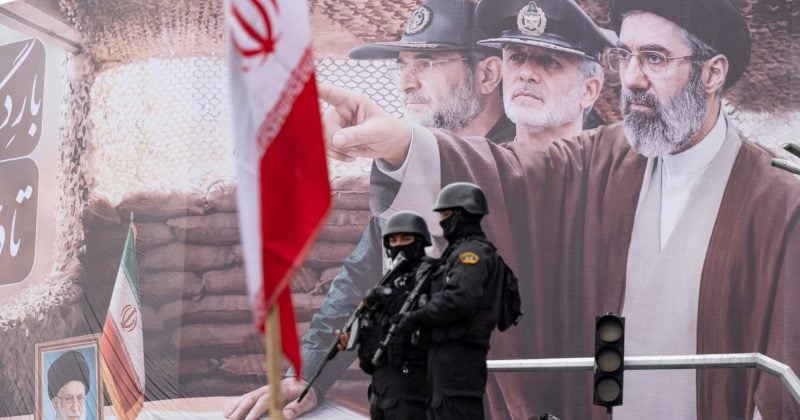
US removes sanctions from three IRGC-linked entities in targeted policy shift

Via theweek.com

US removes sanctions from three IRGC-linked entities in targeted policy shift

The delisting of Iranian airlines from counterterrorism sanctions marks a selective easing, but crypto-related enforcement remains firmly in place

The US Treasury Department has delisted three Iranian airlines and two associated aircraft from counterterrorism sanctions, entities that had been designated due to their links to Iran’s Islamic Revolutionary Guard Corps. The move represents a notable, if narrow, adjustment to Washington’s sprawling sanctions architecture against Tehran.

For the crypto world, the immediate takeaway is straightforward: nothing changes. The delisting targets aviation assets, not digital finance infrastructure, and comes just weeks after the Treasury went in the opposite direction on crypto by sanctioning Nobitex, Iran’s largest cryptocurrency exchange, for its own IRGC connections.

What actually happened

The sanctions being lifted were imposed under Executive Order 13224, the legal framework the US has used since the post-9/11 era to target entities tied to terrorism financing. The IRGC itself has been subject to escalating designations since roughly 2017-2019, including its addition to the Foreign Terrorist Organization list.

Advertisement

This delisting covers three airlines and two aircraft. The selective nature of the move is the story here. Washington isn’t opening the floodgates. It’s adjusting specific line items, likely as part of broader diplomatic maneuvering that remains largely behind closed doors.

The crypto angle: enforcement is tightening, not loosening

In June 2026, the US sanctioned Nobitex, Iran’s largest cryptocurrency exchange, for facilitating financial flows linked to the IRGC. That action was part of a multi-year escalation in enforcement targeting the ways Iran generates and moves revenue outside the traditional banking system, including oil smuggling networks, front companies, and crypto platforms.

Why this matters for markets

The honest assessment is that this particular delisting has minimal direct impact on crypto markets or digital asset prices. No tokens are affected. No exchanges are being un-sanctioned. No frozen wallets are being released.

The Nobitex sanctions from June 2026 demonstrated that the Treasury views crypto exchanges as critical nodes in sanctions evasion networks. Any exchange, anywhere in the world, that facilitates transactions for designated entities faces the risk of being added to the Specially Designated Nationals list.

The practical implication for crypto businesses is equally straightforward. Compliance teams at exchanges and DeFi protocols should treat this as confirmation that IRGC-related designations in the digital asset space are durable. The Treasury has shown it’s willing to negotiate on planes. It has shown no such flexibility on blockchain transactions.

Disclosure: This article was edited by Editorial Team. For more information on how we create and review content, see our Editorial Policy.

US removes sanctions from three IRGC-linked entities in targeted policy shift

US removes sanctions from three IRGC-linked entities in targeted policy shift

The delisting of Iranian airlines from counterterrorism sanctions marks a selective easing, but crypto-related enforcement remains firmly in place

Via theweek.com

The US Treasury Department has delisted three Iranian airlines and two associated aircraft from counterterrorism sanctions, entities that had been designated due to their links to Iran’s Islamic Revolutionary Guard Corps. The move represents a notable, if narrow, adjustment to Washington’s sprawling sanctions architecture against Tehran.

For the crypto world, the immediate takeaway is straightforward: nothing changes. The delisting targets aviation assets, not digital finance infrastructure, and comes just weeks after the Treasury went in the opposite direction on crypto by sanctioning Nobitex, Iran’s largest cryptocurrency exchange, for its own IRGC connections.

What actually happened

The sanctions being lifted were imposed under Executive Order 13224, the legal framework the US has used since the post-9/11 era to target entities tied to terrorism financing. The IRGC itself has been subject to escalating designations since roughly 2017-2019, including its addition to the Foreign Terrorist Organization list.

Advertisement

This delisting covers three airlines and two aircraft. The selective nature of the move is the story here. Washington isn’t opening the floodgates. It’s adjusting specific line items, likely as part of broader diplomatic maneuvering that remains largely behind closed doors.

The crypto angle: enforcement is tightening, not loosening

In June 2026, the US sanctioned Nobitex, Iran’s largest cryptocurrency exchange, for facilitating financial flows linked to the IRGC. That action was part of a multi-year escalation in enforcement targeting the ways Iran generates and moves revenue outside the traditional banking system, including oil smuggling networks, front companies, and crypto platforms.

Why this matters for markets

The honest assessment is that this particular delisting has minimal direct impact on crypto markets or digital asset prices. No tokens are affected. No exchanges are being un-sanctioned. No frozen wallets are being released.

The Nobitex sanctions from June 2026 demonstrated that the Treasury views crypto exchanges as critical nodes in sanctions evasion networks. Any exchange, anywhere in the world, that facilitates transactions for designated entities faces the risk of being added to the Specially Designated Nationals list.

The practical implication for crypto businesses is equally straightforward. Compliance teams at exchanges and DeFi protocols should treat this as confirmation that IRGC-related designations in the digital asset space are durable. The Treasury has shown it’s willing to negotiate on planes. It has shown no such flexibility on blockchain transactions.

Disclosure: This article was edited by Editorial Team. For more information on how we create and review content, see our Editorial Policy.