
US Strategic Petroleum Reserve falls to lowest level since 1983 as drawdown hits 104 million barrels

US Strategic Petroleum Reserve falls to lowest level since 1983 as drawdown hits 104 million barrels

A 5.1 million barrel weekly drop brings the SPR to 311.4 million barrels, raising energy cost concerns that now reach into Bitcoin mining economics

America’s emergency oil stockpile is at its thinnest in over four decades, and the timing could not be more fraught.

The US Strategic Petroleum Reserve dropped 5.1 million barrels in the week ending July 20, 2026, landing at 311.4 million barrels. That is the lowest reading since March 1983.

The drop is not an accident. It is part of a deliberate, government-authorized emergency release program targeting 172 million barrels in total. Since the US-Iran conflict escalated in late February 2026, the SPR has shed more than 104 million barrels.

Advertisement

Why the SPR exists and why its depletion matters

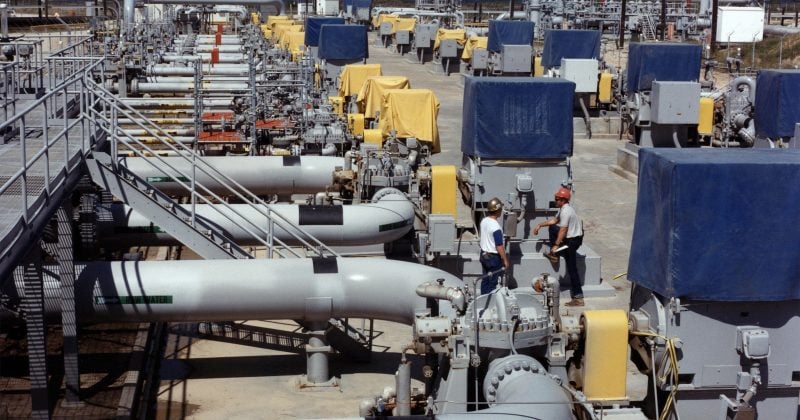
The Strategic Petroleum Reserve sits in underground salt caverns along the Gulf Coast and exists to buffer the US economy when oil supply gets disrupted.

The Government Accountability Office has flagged operational risks tied to the SPR’s infrastructure, particularly as inventories reach historic lows. Salt cavern storage is not infinitely scalable in either direction. Drawing down too far, too fast creates technical complications for future refilling operations.

The crypto angle: Bitcoin mining and a potential strategic Bitcoin reserve

The operational economics of Bitcoin mining are directly tied to energy costs. Mining is a process of converting electricity into computational work. When energy prices rise because geopolitical tension reduces supply certainty and the SPR buffer shrinks, mining operators feel it in their margins.

The depletion of the SPR has renewed discussion about whether the US should establish a Strategic Bitcoin Reserve. The Strategic Bitcoin Reserve conversation had already been circulating in Washington policy circles earlier in 2026. The SPR’s decline to 40-year lows is giving that conversation fresh urgency.

What investors should watch

For energy-adjacent crypto investors, the most direct variable to track is electricity pricing in major Bitcoin mining regions, particularly Texas, which has significant exposure to natural gas and grid dynamics that correlate with broader energy market conditions.

Refilling the SPR requires buying oil on the open market. If the drawdown continues at its current pace as part of the 172-million-barrel emergency program, the SPR will face further depletion before any meaningful refilling campaign can begin.

Disclosure: This article was edited by Editorial Team. For more information on how we create and review content, see our Editorial Policy.

US Strategic Petroleum Reserve falls to lowest level since 1983 as drawdown hits 104 million barrels

US Strategic Petroleum Reserve falls to lowest level since 1983 as drawdown hits 104 million barrels

A 5.1 million barrel weekly drop brings the SPR to 311.4 million barrels, raising energy cost concerns that now reach into Bitcoin mining economics

America’s emergency oil stockpile is at its thinnest in over four decades, and the timing could not be more fraught.

The US Strategic Petroleum Reserve dropped 5.1 million barrels in the week ending July 20, 2026, landing at 311.4 million barrels. That is the lowest reading since March 1983.

The drop is not an accident. It is part of a deliberate, government-authorized emergency release program targeting 172 million barrels in total. Since the US-Iran conflict escalated in late February 2026, the SPR has shed more than 104 million barrels.

Advertisement

Why the SPR exists and why its depletion matters

The Strategic Petroleum Reserve sits in underground salt caverns along the Gulf Coast and exists to buffer the US economy when oil supply gets disrupted.

The Government Accountability Office has flagged operational risks tied to the SPR’s infrastructure, particularly as inventories reach historic lows. Salt cavern storage is not infinitely scalable in either direction. Drawing down too far, too fast creates technical complications for future refilling operations.

The crypto angle: Bitcoin mining and a potential strategic Bitcoin reserve

The operational economics of Bitcoin mining are directly tied to energy costs. Mining is a process of converting electricity into computational work. When energy prices rise because geopolitical tension reduces supply certainty and the SPR buffer shrinks, mining operators feel it in their margins.

The depletion of the SPR has renewed discussion about whether the US should establish a Strategic Bitcoin Reserve. The Strategic Bitcoin Reserve conversation had already been circulating in Washington policy circles earlier in 2026. The SPR’s decline to 40-year lows is giving that conversation fresh urgency.

What investors should watch

For energy-adjacent crypto investors, the most direct variable to track is electricity pricing in major Bitcoin mining regions, particularly Texas, which has significant exposure to natural gas and grid dynamics that correlate with broader energy market conditions.

Refilling the SPR requires buying oil on the open market. If the drawdown continues at its current pace as part of the 172-million-barrel emergency program, the SPR will face further depletion before any meaningful refilling campaign can begin.

Disclosure: This article was edited by Editorial Team. For more information on how we create and review content, see our Editorial Policy.