
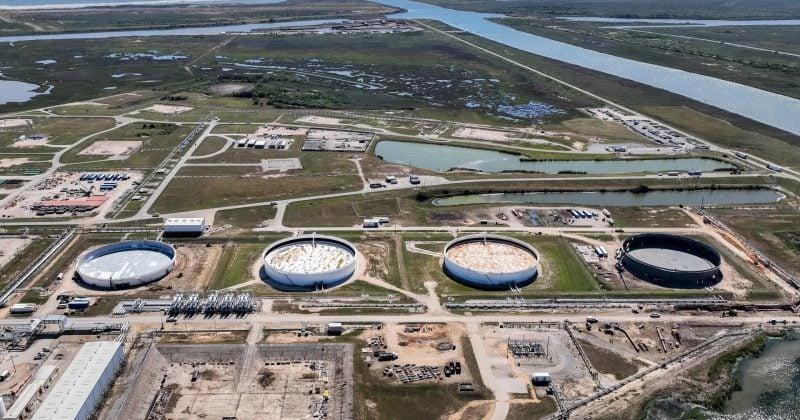
US Strategic Petroleum Reserve hits lowest level since April 1983, and crypto markets are paying attention
America's emergency oil stockpile has lost nearly half its volume in five years, fueling fresh debate about what a national reserve should actually look like in 2026
The US Strategic Petroleum Reserve has dropped to 316.5 million barrels as of July 10, 2026. That’s the lowest reading since April 1983, when Reagan was in his first term and the internet was still a Pentagon science project.
The decline represents a 49% drop over the past five years. In practical terms, America’s emergency oil cushion is roughly half the size it was during the Trump administration’s first go-around, and the timing could hardly be worse given escalating tensions in the Middle East.
How the SPR got this thin
The biggest single blow came in 2022, when the Biden administration authorized the largest-ever SPR release of 180 million barrels. The goal was to tame gasoline prices after Russia’s invasion of Ukraine sent crude markets into a frenzy.
Fast forward to 2026, and the drawdowns have continued. Recent weeks have been particularly aggressive, with a single-week decrease of 9.05 million barrels followed shortly after by another 6.2 million barrel drop. These emergency releases were triggered by rising tensions with Iran.
For context, the SPR was created in 1975 in direct response to the Arab oil embargo and the broader energy crises of the 1970s. The entire point was to have a buffer against supply disruptions, something that could keep the economy from seizing up when geopolitics turned ugly.
Macro, rates, and crypto—what moved markets and what matters next.
Daily. Free. Join 34,000+ readers across crypto, finance, and policy.
The oil market implications
The SPR’s physical infrastructure, a network of underground salt caverns along the Gulf Coast, requires maintenance and has aging components. Rapidly ramping up storage isn’t as simple as placing a bulk order.
From petroleum reserves to Bitcoin reserves
The SPR’s decline has reignited a parallel conversation in crypto circles, one that’s been simmering since early 2025: the concept of a US Strategic Bitcoin Reserve.
The comparison isn’t perfect, obviously. Oil has direct utility in powering the physical economy. Bitcoin’s utility is financial and speculative. But the SPR’s current predicament actually illustrates a key weakness of commodity reserves: they get used up. A government that holds Bitcoin as a reserve asset can deploy it without physically destroying it, a distinction that matters when your petroleum reserve is at a 43-year low.
Institutional interest in national crypto reserves has grown as several countries have explored or announced plans to hold digital assets at the sovereign level. The US government’s own discussions around a Bitcoin reserve, which gained traction in 2025, take on a different flavor when the traditional model of strategic reserves is visibly struggling.