
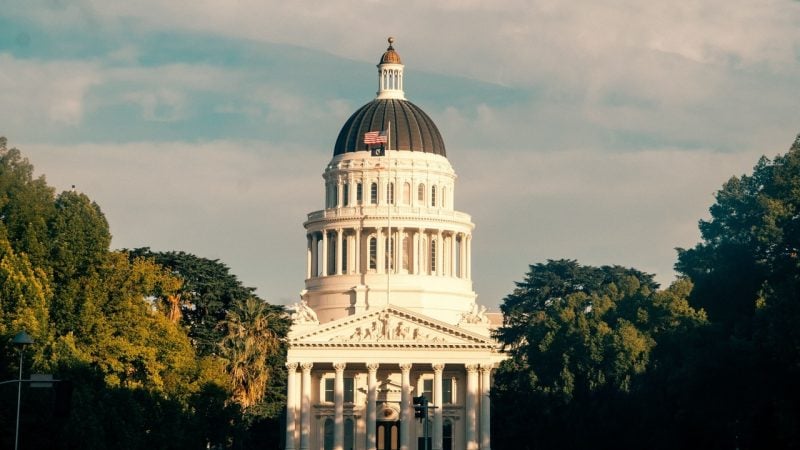
Washington opts for unregulated artificial intelligence
The Trump administration has quietly shelved plans for an AI oversight body, leaving the fastest-moving technology in decades to police itself.
The federal government has decided that the best way to regulate artificial intelligence is to not regulate it at all.
After months of internal debate and heavy lobbying from Silicon Valley, the Trump administration has effectively abandoned plans to create a dedicated AI oversight body. No new proposals are under active consideration at the White House, and legislative efforts in Congress have stalled with midterm elections approaching. The result: an industry reshaping every corner of the economy will continue operating under existing rules written long before large language models could pass a bar exam.
How Washington talked itself out of regulation
The trajectory here has been swift. Earlier in 2026, the administration floated the idea of a FINRA-like self-regulatory organization for AI. Think of it as a referee that the players themselves fund, similar to how the Financial Industry Regulatory Authority oversees broker-dealers in securities markets.
That plan hit a wall in August 2026. Tech executives, including Meta CEO Mark Zuckerberg and AI policy adviser David Sacks, pushed back hard enough to shelve the entire effort. Their argument, distilled to its essence: even a self-regulatory body would slow down American competitiveness in the global AI race.
President Trump has publicly dismissed AI safety concerns as a “hoax” in posts on Truth Social, framing oversight advocates as obstacles to US innovation rather than guardians of the public interest.
The news moving money, markets, and the world—before your day starts.
Daily. Free. Join 34,000+ readers across crypto, finance, and policy.
On Capitol Hill, multiple AI-related bills sit in various committees, but none command bipartisan consensus. With the midterm election calendar shrinking the legislative window, there simply isn’t enough time or political will to push comprehensive AI legislation through both chambers.
What fills the vacuum
The administration’s stated position is that existing sector-specific agencies can handle AI within their current mandates. The FDA can address AI in healthcare. The SEC can police AI-driven trading. The FTC can go after deceptive AI practices.
Some states have tried to step in. Washington state has pursued limited regulations targeting specific AI applications, and other states have explored their own frameworks. But federal preemption concerns and ongoing litigation make these local efforts legally fragile.
The practical outcome is that governance will come from industry itself. Voluntary commitments, internal safety teams, and corporate AI ethics boards become the primary check on how these systems are built and deployed.
The innovation argument and its risks
The European Union’s AI Act, which took effect in stages starting in 2024, has drawn complaints from European tech companies about compliance costs and competitive disadvantage. The administration sees that as a cautionary tale, not a model.