
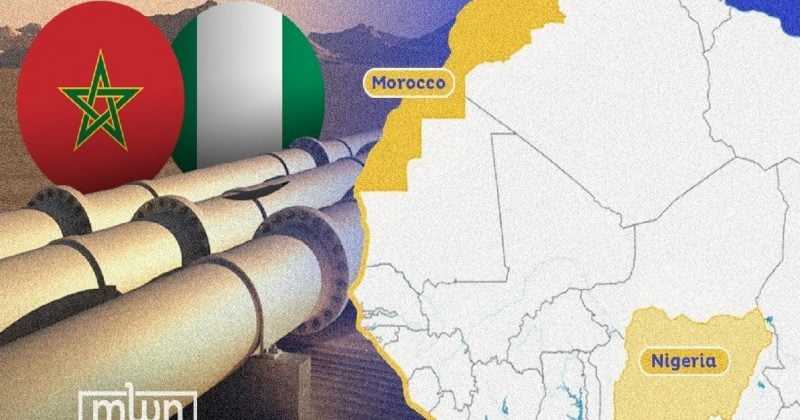
West Africa approves $25B gas pipeline plan linking Nigeria to Morocco

West Africa approves $25B gas pipeline plan linking Nigeria to Morocco

ECOWAS leaders signed off on the African Atlantic Gas Pipeline, a massive infrastructure project that could reshape Europe's energy supply chain and open new investment corridors across the continent.

Fifteen West African nations just put their names behind a $25 billion gas pipeline stretching from Nigeria to Morocco. The project, formally endorsed at an ECOWAS summit in Freetown, Sierra Leone on July 20, represents one of the largest cross-border energy infrastructure bets Africa has ever made.

The African Atlantic Gas Pipeline, or AAGP, is designed to move up to 30 billion cubic meters of natural gas per year across an estimated 5,660 to 7,000 kilometers of pipeline.

What the deal actually involves

The pipeline is a joint venture between Nigeria’s NNPC Limited and Morocco’s ONHYM, the two national energy entities tasked with making this thing real. The agreement calls for the establishment of a dedicated project company.

Advertisement

First gas flows are targeted for 2029. Full development is expected to span more than 20 years.

The project didn’t materialize overnight. A feasibility study kicked off back in 2017, followed by a memorandum of understanding in 2022. The Freetown signing reportedly came ahead of a Q4 2026 target that Nigeria and Morocco had set for themselves.

The AAGP also aligns strategically with other continental energy ambitions, including the Trans-Saharan pipeline project, which would connect Nigeria’s gas reserves to Algeria.

Why Europe is paying attention

The AAGP is positioned as an alternative source, offering West African gas a direct route to European buyers. Morocco provides geographic proximity to European markets.

But pipelines of this scale are notoriously difficult to deliver on time and on budget. The $25 billion price tag is an estimate, and mega-infrastructure projects have a well-documented tendency to blow past initial budgets.

What this means for investors

The movement toward a final investment decision will be the next major milestone to watch. The ECOWAS endorsement removes a significant political hurdle, and the involvement of national oil companies on both ends suggests this isn’t just aspirational.

Disclosure: This article was edited by Editorial Team. For more information on how we create and review content, see our Editorial Policy.

West Africa approves $25B gas pipeline plan linking Nigeria to Morocco

West Africa approves $25B gas pipeline plan linking Nigeria to Morocco

ECOWAS leaders signed off on the African Atlantic Gas Pipeline, a massive infrastructure project that could reshape Europe's energy supply chain and open new investment corridors across the continent.

Fifteen West African nations just put their names behind a $25 billion gas pipeline stretching from Nigeria to Morocco. The project, formally endorsed at an ECOWAS summit in Freetown, Sierra Leone on July 20, represents one of the largest cross-border energy infrastructure bets Africa has ever made.

The African Atlantic Gas Pipeline, or AAGP, is designed to move up to 30 billion cubic meters of natural gas per year across an estimated 5,660 to 7,000 kilometers of pipeline.

What the deal actually involves

The pipeline is a joint venture between Nigeria’s NNPC Limited and Morocco’s ONHYM, the two national energy entities tasked with making this thing real. The agreement calls for the establishment of a dedicated project company.

Advertisement

First gas flows are targeted for 2029. Full development is expected to span more than 20 years.

The project didn’t materialize overnight. A feasibility study kicked off back in 2017, followed by a memorandum of understanding in 2022. The Freetown signing reportedly came ahead of a Q4 2026 target that Nigeria and Morocco had set for themselves.

The AAGP also aligns strategically with other continental energy ambitions, including the Trans-Saharan pipeline project, which would connect Nigeria’s gas reserves to Algeria.

Why Europe is paying attention

The AAGP is positioned as an alternative source, offering West African gas a direct route to European buyers. Morocco provides geographic proximity to European markets.

But pipelines of this scale are notoriously difficult to deliver on time and on budget. The $25 billion price tag is an estimate, and mega-infrastructure projects have a well-documented tendency to blow past initial budgets.

What this means for investors

The movement toward a final investment decision will be the next major milestone to watch. The ECOWAS endorsement removes a significant political hurdle, and the involvement of national oil companies on both ends suggests this isn’t just aspirational.

Disclosure: This article was edited by Editorial Team. For more information on how we create and review content, see our Editorial Policy.