
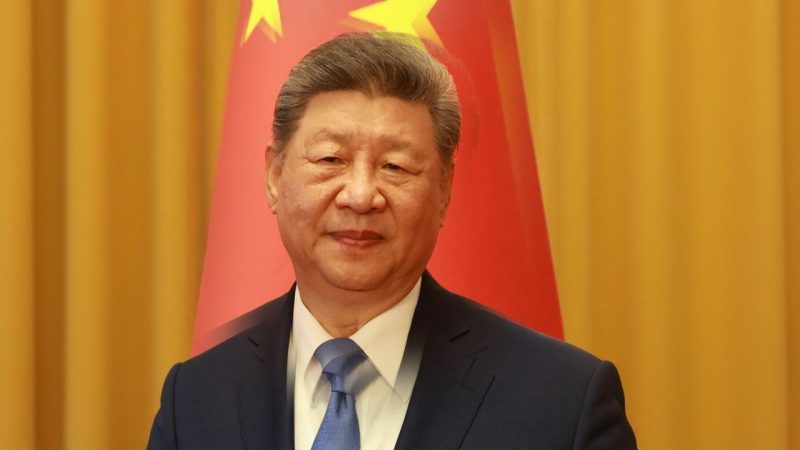
Xi Jinping skips UNGA to meet Trump one-on-one in Washington
China's president trades the UN podium for a White House bilateral, signaling where Beijing thinks the real diplomacy happens.
The United Nations General Assembly draws the largest annual gathering of world leaders to New York every September. China’s president has decided he has somewhere better to be.
Xi Jinping is skipping the UNGA general debate, which opens September 22, to fly directly to Washington for a focused bilateral summit with President Donald Trump. The meeting is set for September 24, with Xi arriving late on September 23 and departing on September 25. The visit is short, deliberate, and pointed.
Trump is expected to greet Xi at a military airport near Washington, a gesture that carries its own symbolic weight.
What’s on the table
The summit follows a May 2026 meeting in Beijing, where Trump had extended an invitation for Xi to make a reciprocal visit to the United States. Xi is now making good on that invitation, and the agenda reflects where the two countries currently stand.
Analysts broadly expect conversations to center on extending existing trade agreements, along with deeper discussions on technology policy and what diplomats call “strategic stability.” Artificial intelligence has emerged as a specific focus area. Nobody is forecasting a grand bargain.
Macro, rates, and crypto—what moved markets and what matters next.
Daily. Free. Join 34,000+ readers across crypto, finance, and policy.
The split-screen moment
While Xi sits down with Trump at the White House on September 24, world leaders will be taking turns at the UNGA podium addressing conflicts in Ukraine, Gaza, and Iran, plus the increasingly urgent questions around AI governance and global trade architecture.
This is not the first time Xi has given UNGA a miss. He skipped the 2025 session as well, sending Premier Li Qiang in his place. His last in-person address at the General Assembly was years before that.
Why markets and policymakers are watching closely
The summit arrives at a moment when U.S.-China trade policy remains one of the single largest variables in global economic planning. Tariff structures, technology export controls, and investment restrictions all feed into supply chains that touch virtually every major industry.
Technology is the sector with the most direct exposure. The competition over semiconductors, AI development, and telecommunications infrastructure has produced a web of restrictions on both sides. Discussions in Washington around AI governance and tech policy could shift expectations for companies operating in or dependent on the U.S.-China technology corridor.
Trade-reliant sectors are watching for any indication of whether existing agreements will be extended, renegotiated, or allowed to lapse.