
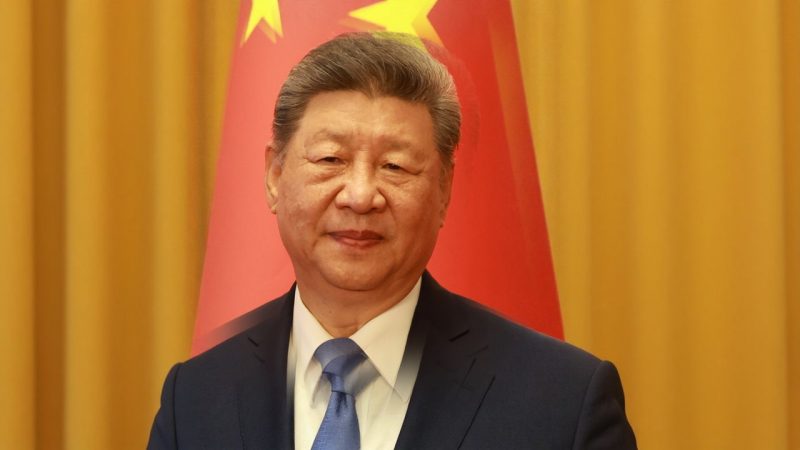
Xi Jinping heads to Washington to revive a $6B US liquefied natural gas trade

Xi Jinping heads to Washington to revive a $6B US liquefied natural gas trade

China's 15% tariff on US LNG killed shipments overnight. A September state visit could bring them back.

Xi Jinping is scheduled to arrive in Washington on September 24, 2026, for the first state visit by a Chinese leader in more than ten years. The ceremonial trappings, official receptions, a state dinner hosted by President Donald Trump, are the backdrop. The real business is energy.

How a tariff turned off the tap

The story starts in February 2025, when Beijing imposed a 15% tariff on US liquefied natural gas in direct retaliation for American tariffs on Chinese imports. The effect was immediate and total. US LNG shipments to China fell from 64 vessels in 2024 to zero in 2025.

Chinese imports of US LNG were valued at $6.2 billion in 2021, before the retaliatory measures began stacking up.

Advertisement

The core question heading into this week’s talks is whether Beijing will reduce or eliminate that 15% levy. No official confirmation has come from either government, and both sides have been careful to frame expectations loosely.

A tentative negotiating framework is reportedly in place, centered on a reciprocal tariff reduction package worth roughly $30 billion across goods from both countries. Agricultural products are part of the conversation.

Supply is growing whether China buys or not

US LNG exports averaged 17.4 billion cubic feet per day in the first half of 2026, a 23% increase year-over-year. Export capacity is projected to grow by another 10 billion cubic feet per day through 2027.

On September 14, just ten days before Xi’s scheduled arrival, China Gas Holdings signed a 20-year supply agreement with Venture Global for 0.5 million metric tons of US LNG annually, with deliveries beginning in 2030. That deal brings China Gas Holdings’ total commitments to 2.5 million metric tons per year from US sources.

What a deal would actually change

A $30 billion reciprocal reduction package, if it materializes, would represent one of the more significant bilateral trade agreements since the Phase One deal struck in January 2020. That deal also leaned heavily on energy purchase commitments.

Chinese utilities and industrial users that pivoted to alternative LNG suppliers, namely Qatar, Australia, and pipeline gas from Russia, have spent 18 months building new logistics and contract relationships. Tariff relief makes switching back more attractive, but the transition costs are real and the long-term contract landscape has shifted since 2024.

Disclosure: This article was edited by Editorial Team. For more information on how we create and review content, see our Editorial Policy.
Xi Jinping heads to Washington to revive a $6B US liquefied natural gas trade

China's 15% tariff on US LNG killed shipments overnight. A September state visit could bring them back.

Xi Jinping is scheduled to arrive in Washington on September 24, 2026, for the first state visit by a Chinese leader in more than ten years. The ceremonial trappings, official receptions, a state dinner hosted by President Donald Trump, are the backdrop. The real business is energy.

How a tariff turned off the tap

The story starts in February 2025, when Beijing imposed a 15% tariff on US liquefied natural gas in direct retaliation for American tariffs on Chinese imports. The effect was immediate and total. US LNG shipments to China fell from 64 vessels in 2024 to zero in 2025.

Chinese imports of US LNG were valued at $6.2 billion in 2021, before the retaliatory measures began stacking up.

Advertisement

The core question heading into this week’s talks is whether Beijing will reduce or eliminate that 15% levy. No official confirmation has come from either government, and both sides have been careful to frame expectations loosely.

A tentative negotiating framework is reportedly in place, centered on a reciprocal tariff reduction package worth roughly $30 billion across goods from both countries. Agricultural products are part of the conversation.

Supply is growing whether China buys or not

US LNG exports averaged 17.4 billion cubic feet per day in the first half of 2026, a 23% increase year-over-year. Export capacity is projected to grow by another 10 billion cubic feet per day through 2027.

On September 14, just ten days before Xi’s scheduled arrival, China Gas Holdings signed a 20-year supply agreement with Venture Global for 0.5 million metric tons of US LNG annually, with deliveries beginning in 2030. That deal brings China Gas Holdings’ total commitments to 2.5 million metric tons per year from US sources.

What a deal would actually change

A $30 billion reciprocal reduction package, if it materializes, would represent one of the more significant bilateral trade agreements since the Phase One deal struck in January 2020. That deal also leaned heavily on energy purchase commitments.

Chinese utilities and industrial users that pivoted to alternative LNG suppliers, namely Qatar, Australia, and pipeline gas from Russia, have spent 18 months building new logistics and contract relationships. Tariff relief makes switching back more attractive, but the transition costs are real and the long-term contract landscape has shifted since 2024.

Disclosure: This article was edited by Editorial Team. For more information on how we create and review content, see our Editorial Policy.