
Zelensky orders targeted sanctions operation against Russia’s military industry, raising new crypto compliance questions

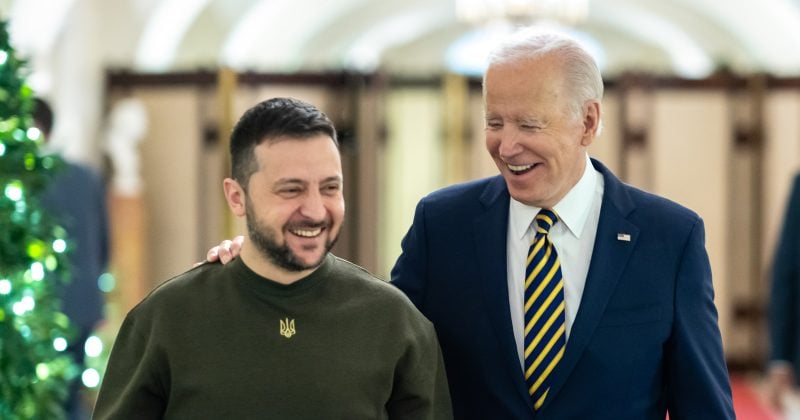
Via en.wikiquote.org

Zelensky orders targeted sanctions operation against Russia’s military industry, raising new crypto compliance questions

Ukraine's latest sanctions decree targets 23 companies and 20 individuals tied to Russia's defense supply chain, adding pressure to crypto networks already under scrutiny for sanctions evasion.

Ukrainian President Volodymyr Zelensky signed Presidential Decree No. 704/2026, launching a fresh round of sanctions aimed squarely at the backbone of Russia’s military-industrial complex. The decree targets 23 companies and 20 individuals involved in supplying critical components, from microelectronics to missile parts, that keep Russian weapons systems operational.

What the decree actually covers

The sanctions zero in on entities supplying components for some of Russia’s most consequential weapons platforms. That includes parts for the Iskander-M missile system, various drone programs, and air defense infrastructure.

Among the named targets are Belarusian firm Kidma Tech and Russia’s Morozov Plant, which operates under the Rostec umbrella. Morozov is known for producing solid-fuel charges used in Iskander missiles, making it a high-priority target in Ukraine’s effort to degrade Russia’s precision strike capabilities.

Advertisement

The sanctions cover microelectronics, optical devices, and industrial equipment. At least one Ukrainian-registered company also appears on the list, sitting among a roster of primarily foreign entities.

The crypto connection isn’t theoretical

While this particular decree doesn’t name any cryptocurrency tokens or blockchain protocols, it sits inside a much larger sanctions architecture that increasingly treats digital assets as a front line in financial warfare.

Back in February 2026, Ukraine’s sanctions regime directly targeted Russian crypto networks, miners, and exchanges that were identified as financing pipelines for the military-industrial base. The A7 crypto ecosystem, linked to Promsvyazbank, was flagged specifically for its role in facilitating sanctions evasion.

The European Union has been moving in the same direction. Its 21st sanctions package, established in July 2026, explicitly broadened its scope to include financial services related to crypto assets when those services touch military-industrial entities.

Rostec itself has historical ties to the crypto world through the RubX token project. While RubX wasn’t included in this latest round, the precedent is clear: defense-linked crypto initiatives sit in a regulatory blast radius that could expand with any future decree.

Why crypto markets should pay attention

On one side, demand for privacy-oriented cryptocurrencies tends to rise when sanctions regimes tighten. Cross-border transactions become harder through conventional channels, and those under sanctions look for alternatives. This dynamic has played out repeatedly since 2022, and each new sanctions package reinforces the pattern.

On the other side, compliance pressure on exchanges intensifies with every round. Major centralized platforms face growing expectations to screen for exposure to sanctioned entities, implement stricter know-your-customer procedures, and block transactions that might facilitate evasion.

Disclosure: This article was edited by Editorial Team. For more information on how we create and review content, see our Editorial Policy.

Zelensky orders targeted sanctions operation against Russia’s military industry, raising new crypto compliance questions

Zelensky orders targeted sanctions operation against Russia’s military industry, raising new crypto compliance questions

Ukraine's latest sanctions decree targets 23 companies and 20 individuals tied to Russia's defense supply chain, adding pressure to crypto networks already under scrutiny for sanctions evasion.

Via en.wikiquote.org

Ukrainian President Volodymyr Zelensky signed Presidential Decree No. 704/2026, launching a fresh round of sanctions aimed squarely at the backbone of Russia’s military-industrial complex. The decree targets 23 companies and 20 individuals involved in supplying critical components, from microelectronics to missile parts, that keep Russian weapons systems operational.

What the decree actually covers

The sanctions zero in on entities supplying components for some of Russia’s most consequential weapons platforms. That includes parts for the Iskander-M missile system, various drone programs, and air defense infrastructure.

Among the named targets are Belarusian firm Kidma Tech and Russia’s Morozov Plant, which operates under the Rostec umbrella. Morozov is known for producing solid-fuel charges used in Iskander missiles, making it a high-priority target in Ukraine’s effort to degrade Russia’s precision strike capabilities.

Advertisement

The sanctions cover microelectronics, optical devices, and industrial equipment. At least one Ukrainian-registered company also appears on the list, sitting among a roster of primarily foreign entities.

The crypto connection isn’t theoretical

While this particular decree doesn’t name any cryptocurrency tokens or blockchain protocols, it sits inside a much larger sanctions architecture that increasingly treats digital assets as a front line in financial warfare.

Back in February 2026, Ukraine’s sanctions regime directly targeted Russian crypto networks, miners, and exchanges that were identified as financing pipelines for the military-industrial base. The A7 crypto ecosystem, linked to Promsvyazbank, was flagged specifically for its role in facilitating sanctions evasion.

The European Union has been moving in the same direction. Its 21st sanctions package, established in July 2026, explicitly broadened its scope to include financial services related to crypto assets when those services touch military-industrial entities.

Rostec itself has historical ties to the crypto world through the RubX token project. While RubX wasn’t included in this latest round, the precedent is clear: defense-linked crypto initiatives sit in a regulatory blast radius that could expand with any future decree.

Why crypto markets should pay attention

On one side, demand for privacy-oriented cryptocurrencies tends to rise when sanctions regimes tighten. Cross-border transactions become harder through conventional channels, and those under sanctions look for alternatives. This dynamic has played out repeatedly since 2022, and each new sanctions package reinforces the pattern.

On the other side, compliance pressure on exchanges intensifies with every round. Major centralized platforms face growing expectations to screen for exposure to sanctioned entities, implement stricter know-your-customer procedures, and block transactions that might facilitate evasion.

Disclosure: This article was edited by Editorial Team. For more information on how we create and review content, see our Editorial Policy.