
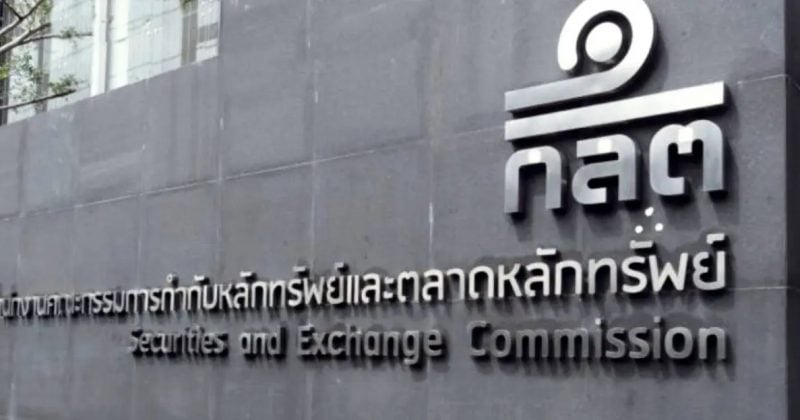
Thailand’s SEC finalizes Bitcoin, Ether ETF rules with launch set for Oct. 16

Thailand’s SEC finalizes Bitcoin, Ether ETF rules with launch set for Oct. 16

Eleven new notifications set the framework for crypto ETFs that will trade only on the Stock Exchange of Thailand, starting with Bitcoin and Ethereum

Thailand’s Securities and Exchange Commission has finalized regulations for crypto exchange-traded funds, creating a framework for funds that invest in cryptocurrencies and trade on the Stock Exchange of Thailand.

Effective Oct. 16, 2026, the rules establish requirements for fund operations, digital asset investment management and the appointment of qualified digital asset custodians and other operators as mutual fund supervisors, the SEC said in an Oct. 8 statement.

The regulator said the measures would expand investor access to crypto investments, strengthen local operators and support the development of Thailand’s crypto ETF market under investor protection safeguards.

The framework comprises 11 notifications issued after public consultations in April-May and August-September, with most respondents supporting the proposed principles and draft regulations.

Advertisement

Under the framework, crypto ETFs must comply with existing rules for ETFs and mutual funds investing in digital assets, alongside additional safeguards for asset management companies.

Firms seeking to launch these funds must demonstrate adequate personnel, operational infrastructure and service-provider arrangements. Each crypto ETF must follow a passive investment strategy tracking a single crypto asset and maintain an average net exposure of at least 80% of net asset value during each accounting year.

Bitcoin and Ethereum will be the only eligible assets initially, with future eligibility determined by factors including liquidity, market acceptance, network security and investor protection.

The funds must use SEC-regulated digital asset custodians and be listed exclusively on the SET. Before trading, investors must receive education about crypto ETF features and risks and confirm that they understand them. Securities companies must encourage suitable asset allocation and investment decisions based on clients’ risk tolerance, while margin loans for purchasing crypto ETFs are prohibited.

The new rules also allow digital asset custodians and other sufficiently prepared digital asset business operators to apply to become mutual fund supervisors for crypto ETFs. Eligible operators must meet financial, personnel and operational requirements, maintain those standards and restrict their supervisory role to crypto ETFs.

Custody must remain with a licensed digital asset custodian, including when assets are held through a sub-custodian. The SEC may consider permitting qualified foreign digital asset custodians in the future where appropriate.

Separately, the SEC has expanded investment eligibility for Thai mutual funds and private funds to include domestic crypto ETFs, subject to existing investment limits.

During the initial phase, it will not allow alternative products linked to foreign crypto ETFs, such as depositary receipts, or securities companies to facilitate foreign crypto ETF investments for clients outside the institutional and ultra-high-net-worth investor categories.

Disclosure: This article was edited by Vivian Nguyen. For more information on how we create and review content, see our Editorial Policy.
Thailand’s SEC finalizes Bitcoin, Ether ETF rules with launch set for Oct. 16

Eleven new notifications set the framework for crypto ETFs that will trade only on the Stock Exchange of Thailand, starting with Bitcoin and Ethereum

Thailand’s Securities and Exchange Commission has finalized regulations for crypto exchange-traded funds, creating a framework for funds that invest in cryptocurrencies and trade on the Stock Exchange of Thailand.

Effective Oct. 16, 2026, the rules establish requirements for fund operations, digital asset investment management and the appointment of qualified digital asset custodians and other operators as mutual fund supervisors, the SEC said in an Oct. 8 statement.

The regulator said the measures would expand investor access to crypto investments, strengthen local operators and support the development of Thailand’s crypto ETF market under investor protection safeguards.

The framework comprises 11 notifications issued after public consultations in April-May and August-September, with most respondents supporting the proposed principles and draft regulations.

Advertisement

Under the framework, crypto ETFs must comply with existing rules for ETFs and mutual funds investing in digital assets, alongside additional safeguards for asset management companies.

Firms seeking to launch these funds must demonstrate adequate personnel, operational infrastructure and service-provider arrangements. Each crypto ETF must follow a passive investment strategy tracking a single crypto asset and maintain an average net exposure of at least 80% of net asset value during each accounting year.

Bitcoin and Ethereum will be the only eligible assets initially, with future eligibility determined by factors including liquidity, market acceptance, network security and investor protection.

The funds must use SEC-regulated digital asset custodians and be listed exclusively on the SET. Before trading, investors must receive education about crypto ETF features and risks and confirm that they understand them. Securities companies must encourage suitable asset allocation and investment decisions based on clients’ risk tolerance, while margin loans for purchasing crypto ETFs are prohibited.

The new rules also allow digital asset custodians and other sufficiently prepared digital asset business operators to apply to become mutual fund supervisors for crypto ETFs. Eligible operators must meet financial, personnel and operational requirements, maintain those standards and restrict their supervisory role to crypto ETFs.

Custody must remain with a licensed digital asset custodian, including when assets are held through a sub-custodian. The SEC may consider permitting qualified foreign digital asset custodians in the future where appropriate.

Separately, the SEC has expanded investment eligibility for Thai mutual funds and private funds to include domestic crypto ETFs, subject to existing investment limits.

During the initial phase, it will not allow alternative products linked to foreign crypto ETFs, such as depositary receipts, or securities companies to facilitate foreign crypto ETF investments for clients outside the institutional and ultra-high-net-worth investor categories.

Disclosure: This article was edited by Vivian Nguyen. For more information on how we create and review content, see our Editorial Policy.