
Barclays warns data center equipment makers face pricing squeeze

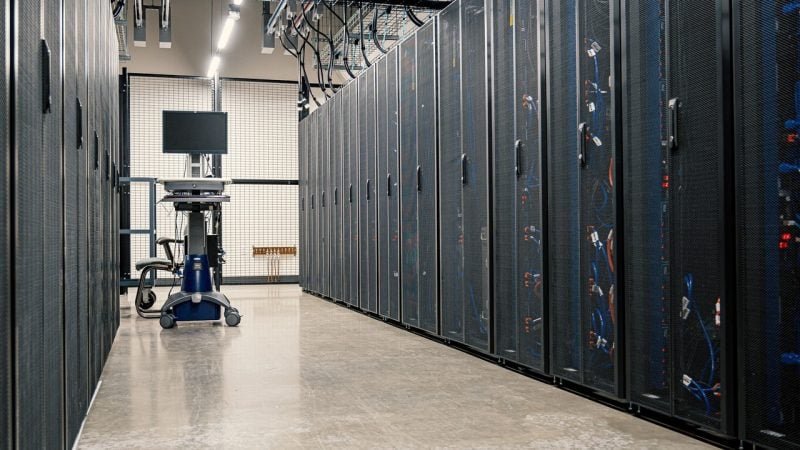
Photo: Brett Sayles / Pexels

Barclays warns data center equipment makers face pricing squeeze

The bank says the boom for power and electrical gear suppliers is peaking as AI labs push to cut costs

The companies selling picks and shovels to the AI gold rush may be about to learn what happens when the miners start haggling. Barclays analysts say the growth cycle for data center equipment vendors is peaking.

They also warn that these suppliers face a rising risk of a pricing squeeze from the AI labs buying their gear.

What Barclays is flagging

The bank’s report, dated October 20, 2026, focuses on vendors of power and electrical equipment for data centers. Think transformers and switchgear: the unglamorous hardware that moves electricity from the grid to rows of AI servers.

These suppliers have ridden a strong wave of demand as hyperscalers built out capacity for AI workloads.

Barclays singled out three major electrical infrastructure names: Siemens Energy AG, ABB Ltd. and Schneider Electric SE. All three have enjoyed strong returns from the current cycle, according to the report.

The concern is what comes next. As AI labs look for ways to lower costs, the analysts see mounting pressure on what suppliers can charge.

Advertisement

Barclays also points to buyer consolidation as the market matures. When a handful of very large customers account for much of the demand, those customers tend to gain leverage at the negotiating table.

The server warning that came first

The October 20 note did not arrive in a vacuum. Five days earlier, on October 15, Barclays published a separate report taking aim at server vendors including Dell, HPE and NetApp.

That report argued the recent revenue growth at these companies was largely driven by inflation in memory component prices. The specific components in question were DRAM and HBM, the high-speed memory chips that AI systems consume in large quantities.

Barclays said its channel checks pointed to price inflation rather than durable growth tied to AI services.

The bank put numbers on the AI share of corporate tech spending. AI-related expenditures represent only about 5% of corporate IT budgets, the report said. Hardware accounts for approximately one-quarter of that AI-related spending.

Markets reacted quickly. Barclays downgraded Dell from Overweight to Equal Weight on October 15, and Dell shares fell nearly 11% to $507.93.

Oracle shares declined 9% following the October 15 analysis, leaving the stock down 33% year to date. The combined market value wipeout across affected companies, including CoreWeave, was estimated at around $80 billion after the downgrade.

Why the timing matters

The AI infrastructure trade has run in layers. First came the chipmakers, then the server builders, then the companies supplying power, cooling and electrical systems to keep everything running.

Barclays is now suggesting that layer, too, is reaching the top of its cycle. The two reports together sketch a picture where the easy growth phase across AI hardware is giving way to something more competitive.

What this means for suppliers and investors

For Siemens Energy, ABB and Schneider Electric, the risk Barclays describes is margin pressure rather than a collapse in orders.

The 5% figure for AI’s share of corporate IT budgets implies that enterprise AI adoption, outside of the hyperscalers and labs, remains a relatively small line item, which limits how much additional hardware demand corporations alone can generate.

The memory pricing point raises a related question. If revenue growth at server makers has been inflated by component costs, a cooling in DRAM and HBM prices could expose softer underlying demand.

For investors, the practical signals to monitor include supplier commentary on pricing in upcoming earnings, order backlogs at electrical equipment makers, and any sign that AI labs are renegotiating contracts. Memory chip pricing trends will also matter for the server side of the story.

Disclosure: This article was edited by Diego Almada Lopez. For more information on how we create and review content, see our Editorial Policy.
Barclays warns data center equipment makers face pricing squeeze

The bank says the boom for power and electrical gear suppliers is peaking as AI labs push to cut costs

Photo: Brett Sayles / Pexels

The companies selling picks and shovels to the AI gold rush may be about to learn what happens when the miners start haggling. Barclays analysts say the growth cycle for data center equipment vendors is peaking.

They also warn that these suppliers face a rising risk of a pricing squeeze from the AI labs buying their gear.

What Barclays is flagging

The bank’s report, dated October 20, 2026, focuses on vendors of power and electrical equipment for data centers. Think transformers and switchgear: the unglamorous hardware that moves electricity from the grid to rows of AI servers.

These suppliers have ridden a strong wave of demand as hyperscalers built out capacity for AI workloads.

Barclays singled out three major electrical infrastructure names: Siemens Energy AG, ABB Ltd. and Schneider Electric SE. All three have enjoyed strong returns from the current cycle, according to the report.

The concern is what comes next. As AI labs look for ways to lower costs, the analysts see mounting pressure on what suppliers can charge.

Advertisement

Barclays also points to buyer consolidation as the market matures. When a handful of very large customers account for much of the demand, those customers tend to gain leverage at the negotiating table.

The server warning that came first

The October 20 note did not arrive in a vacuum. Five days earlier, on October 15, Barclays published a separate report taking aim at server vendors including Dell, HPE and NetApp.

That report argued the recent revenue growth at these companies was largely driven by inflation in memory component prices. The specific components in question were DRAM and HBM, the high-speed memory chips that AI systems consume in large quantities.

Barclays said its channel checks pointed to price inflation rather than durable growth tied to AI services.

The bank put numbers on the AI share of corporate tech spending. AI-related expenditures represent only about 5% of corporate IT budgets, the report said. Hardware accounts for approximately one-quarter of that AI-related spending.

Markets reacted quickly. Barclays downgraded Dell from Overweight to Equal Weight on October 15, and Dell shares fell nearly 11% to $507.93.

Oracle shares declined 9% following the October 15 analysis, leaving the stock down 33% year to date. The combined market value wipeout across affected companies, including CoreWeave, was estimated at around $80 billion after the downgrade.

Why the timing matters

The AI infrastructure trade has run in layers. First came the chipmakers, then the server builders, then the companies supplying power, cooling and electrical systems to keep everything running.

Barclays is now suggesting that layer, too, is reaching the top of its cycle. The two reports together sketch a picture where the easy growth phase across AI hardware is giving way to something more competitive.

What this means for suppliers and investors

For Siemens Energy, ABB and Schneider Electric, the risk Barclays describes is margin pressure rather than a collapse in orders.

The 5% figure for AI’s share of corporate IT budgets implies that enterprise AI adoption, outside of the hyperscalers and labs, remains a relatively small line item, which limits how much additional hardware demand corporations alone can generate.

The memory pricing point raises a related question. If revenue growth at server makers has been inflated by component costs, a cooling in DRAM and HBM prices could expose softer underlying demand.

For investors, the practical signals to monitor include supplier commentary on pricing in upcoming earnings, order backlogs at electrical equipment makers, and any sign that AI labs are renegotiating contracts. Memory chip pricing trends will also matter for the server side of the story.

Disclosure: This article was edited by Diego Almada Lopez. For more information on how we create and review content, see our Editorial Policy.