
Circle and Hyperliquid identified as CLARITY Act infrastructure winners by Bob Diamond

Via paymentsdive.com

Circle and Hyperliquid identified as CLARITY Act infrastructure winners by Bob Diamond

The former Barclays CEO says regulatory clarity will reward stablecoin issuers and high-performance trading venues most.

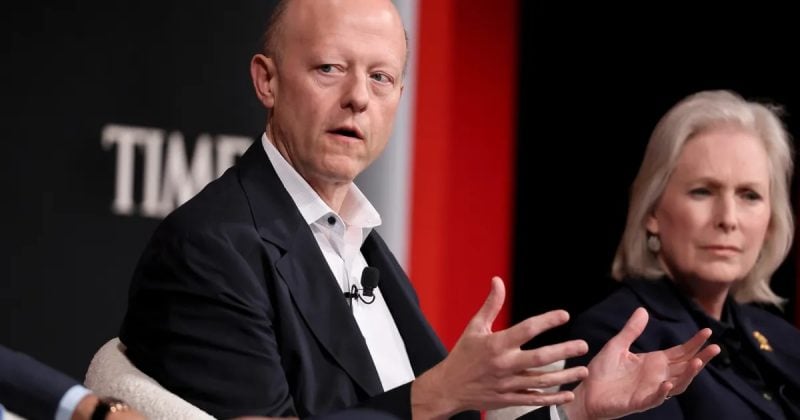
Bob Diamond has a reputation for calling institutional shifts early. The former Barclays CEO and current head of Atlas Merchant Capital used a CNBC appearance on July 31, 2026, to make a pointed prediction: the CLARITY Act is coming, and Circle and Hyperliquid will be its biggest infrastructure beneficiaries.

That is not a casual observation from a casual observer. Diamond’s firm has existing investments in digital payment infrastructure, including exposure to Circle, the company behind the USDC stablecoin.

What the CLARITY Act actually does

The bipartisan CLARITY Act, formally H.R. 3633, cleared the Senate Banking Committee with a 15-9 vote. Diamond put the odds of full passage by the end of 2026 at somewhere between 50% and 75%.

The act’s most consequential provision for markets is the regulatory framework it creates around stablecoin yields, telling issuers and platforms exactly what they can and cannot do with yield-bearing stablecoins.

Advertisement

Circle’s stock on the NYSE, trading under the ticker CRCL, already gave investors a preview of what the market thinks about this dynamic. Shares surged nearly 20% in early May 2026 following the announcement of CLARITY Act rule compromises.

The Hyperliquid angle is more interesting than it looks

On August 1, 2026, Hyperliquid announced a partnership with Coinbase to integrate USDC as its canonical stablecoin, replacing the platform’s former native USDH.

As part of that deal, Circle staked 500,000 HYPE tokens on the Hyperliquid network. HYPE is the platform’s native token, trading around $52 with a circulating supply of approximately 220 to 252 million tokens as of early August 2026.

Diamond’s explicit mention of Hyperliquid alongside Circle on a mainstream financial television platform is notable for another reason. Hyperliquid has largely been a crypto-native story until now, well known inside the ecosystem and largely invisible outside it. Having a former Barclays CEO name-check it on CNBC changes the audience that is paying attention.

What this means for investors watching the regulatory cycle

Circle sits at the center of the compliant infrastructure tier almost by definition. USDC is already the dominant stablecoin in institutional and DeFi settings where compliance matters, and a formal regulatory framework around stablecoin yields would give Circle a product expansion path that is currently legally uncertain.

Hyperliquid’s bet is that best-in-class trading performance plus regulatory-grade stablecoin rails equals a platform that institutional desks can actually use. The Coinbase partnership provides USDC’s compliance credibility. The HYPE token stake from Circle creates alignment between the two companies at the network level.

The risk here is timeline. Diamond’s 50-75% passage estimate by end of 2026 implies a real chance this bill does not make it through. There is also a competitive risk for Hyperliquid specifically: the on-chain perpetuals and spot trading space is crowded and moving fast, and USDC integration and a Circle alliance do not create a permanent moat on their own.

Disclosure: This article was edited by Editorial Team. For more information on how we create and review content, see our Editorial Policy.

Circle and Hyperliquid identified as CLARITY Act infrastructure winners by Bob Diamond

Circle and Hyperliquid identified as CLARITY Act infrastructure winners by Bob Diamond

The former Barclays CEO says regulatory clarity will reward stablecoin issuers and high-performance trading venues most.

Via paymentsdive.com

Bob Diamond has a reputation for calling institutional shifts early. The former Barclays CEO and current head of Atlas Merchant Capital used a CNBC appearance on July 31, 2026, to make a pointed prediction: the CLARITY Act is coming, and Circle and Hyperliquid will be its biggest infrastructure beneficiaries.

That is not a casual observation from a casual observer. Diamond’s firm has existing investments in digital payment infrastructure, including exposure to Circle, the company behind the USDC stablecoin.

What the CLARITY Act actually does

The bipartisan CLARITY Act, formally H.R. 3633, cleared the Senate Banking Committee with a 15-9 vote. Diamond put the odds of full passage by the end of 2026 at somewhere between 50% and 75%.

The act’s most consequential provision for markets is the regulatory framework it creates around stablecoin yields, telling issuers and platforms exactly what they can and cannot do with yield-bearing stablecoins.

Advertisement

Circle’s stock on the NYSE, trading under the ticker CRCL, already gave investors a preview of what the market thinks about this dynamic. Shares surged nearly 20% in early May 2026 following the announcement of CLARITY Act rule compromises.

The Hyperliquid angle is more interesting than it looks

On August 1, 2026, Hyperliquid announced a partnership with Coinbase to integrate USDC as its canonical stablecoin, replacing the platform’s former native USDH.

As part of that deal, Circle staked 500,000 HYPE tokens on the Hyperliquid network. HYPE is the platform’s native token, trading around $52 with a circulating supply of approximately 220 to 252 million tokens as of early August 2026.

Diamond’s explicit mention of Hyperliquid alongside Circle on a mainstream financial television platform is notable for another reason. Hyperliquid has largely been a crypto-native story until now, well known inside the ecosystem and largely invisible outside it. Having a former Barclays CEO name-check it on CNBC changes the audience that is paying attention.

What this means for investors watching the regulatory cycle

Circle sits at the center of the compliant infrastructure tier almost by definition. USDC is already the dominant stablecoin in institutional and DeFi settings where compliance matters, and a formal regulatory framework around stablecoin yields would give Circle a product expansion path that is currently legally uncertain.

Hyperliquid’s bet is that best-in-class trading performance plus regulatory-grade stablecoin rails equals a platform that institutional desks can actually use. The Coinbase partnership provides USDC’s compliance credibility. The HYPE token stake from Circle creates alignment between the two companies at the network level.

The risk here is timeline. Diamond’s 50-75% passage estimate by end of 2026 implies a real chance this bill does not make it through. There is also a competitive risk for Hyperliquid specifically: the on-chain perpetuals and spot trading space is crowded and moving fast, and USDC integration and a Circle alliance do not create a permanent moat on their own.

Disclosure: This article was edited by Editorial Team. For more information on how we create and review content, see our Editorial Policy.