
Caspian Pipeline Consortium halts oil loadings after drone strikes, threatening 1.58 million barrels per day
The pipeline carrying 80% of Kazakhstan's oil exports is becoming a recurring target in the Russia-Ukraine conflict, with ripple effects across energy and crypto markets
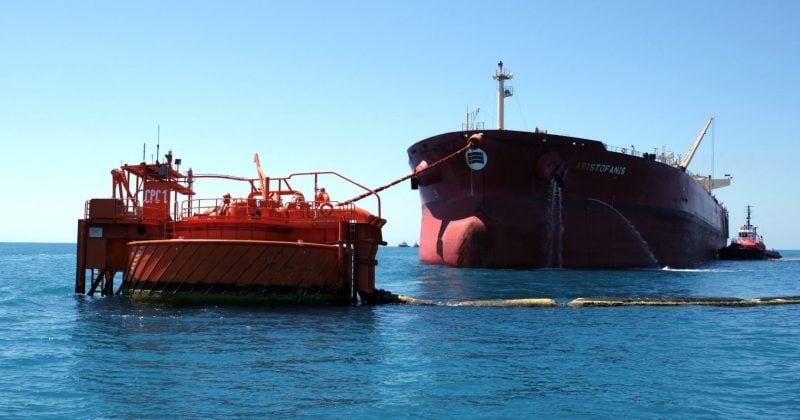
Drones hit two oil tankers at a Black Sea terminal on July 19, forcing the Caspian Pipeline Consortium to suspend all loading operations at its Novorossiysk port. The pipeline moves roughly 1.58 million barrels of oil per day.
The CPC confirmed that the tankers ASIA and NISSOS IOS were struck during active loading operations at moorings 1 and 3. The ASIA caught fire, though crews extinguished it without injuries, fatalities, or oil spills. Both vessels remained afloat.
A pattern, not an anomaly
This wasn’t an isolated incident. Just two days earlier, on July 17, a drone strike targeted the Nordic Zenith, a tanker chartered by ExxonMobil. That attack fit neatly into a pattern of escalating assaults on CPC infrastructure stretching back to November 2025, with additional incidents reported in January and April 2026.
The attacks are widely linked to the ongoing Russia-Ukraine conflict, with Ukrainian forces frequently suspected of carrying out the strikes. The CPC itself has not formally assigned blame for any of the incidents.
The CPC pipeline stretches 940 miles from Kazakhstan’s Caspian oil fields, primarily the massive Tengiz field, to Russia’s Novorossiysk port on the Black Sea. It handles approximately 80% of Kazakhstan’s total oil exports.
The news moving money, markets, and the world—before your day starts.
Daily. Free. Join 34,000+ readers across crypto, finance, and policy.
Major stakeholders in the consortium include Russian, Kazakh, and US interests. Chevron and ExxonMobil both have significant exposure.
What this means for oil and energy markets
Each successive attack on CPC infrastructure has shortened the interval between disruptions. What started as occasional targeting has become something closer to systematic pressure on a critical chokepoint.
Kazakhstan ranks among the top 15 oil-producing nations. Sustained disruptions to its export capacity would force buyers, particularly in Europe, to seek alternative supply sources.
The crypto connection: why digital asset investors should care
Kazakhstan itself has been a significant Bitcoin mining hub, at one point ranking among the top three countries for hashrate globally. Disruptions to Kazakhstan’s primary revenue source could ripple into domestic policy decisions affecting energy allocation to mining operations.
The companies with the most at stake, Chevron and ExxonMobil among them, have limited options for rerouting Kazakh crude without the CPC. Alternative export routes exist but lack the capacity to absorb 1.58 million barrels per day.