
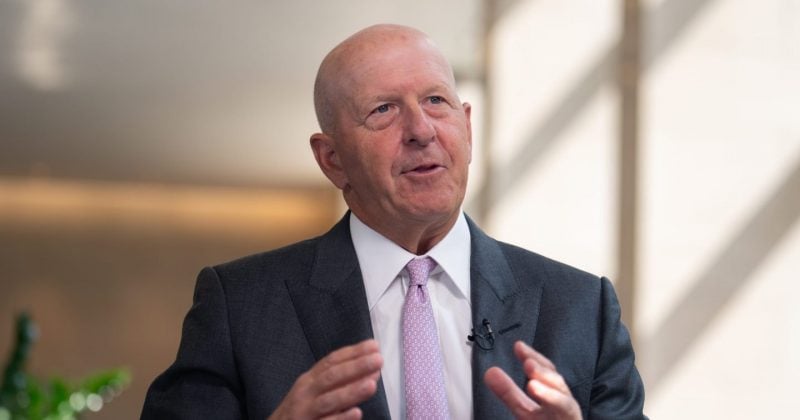
Goldman Sachs CEO backs Clarity Act, says it will bring stability to crypto markets
The endorsement comes amid growing tension between Wall Street firms over the bill's stablecoin rules.


Goldman Sachs CEO David Solomon has thrown his support behind the Digital Asset Market Clarity Act, saying the proposed crypto market structure bill could bring stability and regulatory certainty to digital asset markets.
Speaking to Politico, Solomon said the legislation would help create a more even playing field and allow innovation to move forward, despite acknowledging that parts of the bill remain open to debate.
The backing places Goldman Sachs at odds with several major banking groups that oppose the bill’s stablecoin framework.
JPMorgan CEO Jamie Dimon and other banking leaders have argued that crypto companies offering rewards on stablecoin deposits could draw funds away from traditional banks and weaken their ability to provide loans. Banking associations have similarly warned that the provisions could hurt local lending activity.
Unlike consumer-focused banks, Goldman Sachs has shown more interest in the bill’s market structure provisions, in particular, rules that could allow established financial institutions to use blockchain technology and participate in digital asset markets.
The news moving money, markets, and the world—before your day starts.
Daily. Free. Join 34,000+ readers across crypto, finance, and policy.
Solomon’s backing of the bill follows his earlier calls for clearer rules that would allow financial institutions to engage more actively with digital assets.
The Goldman chief, who disclosed owning a small Bitcoin position, said he mainly follows the market to understand its development.
Despite his cautious view of Bitcoin’s monetary impact, Goldman Sachs continues to explore blockchain technology and its potential applications in finance. The bank has been testing blockchain-based solutions aimed at reducing friction in the financial markets, though regulatory rules currently prevent it from directly owning or engaging in certain Bitcoin activities.
Solomon previously said the bank would reassess its role in digital assets if regulations become more favorable, potentially including market-making for Bitcoin and Ethereum. Goldman already maintains crypto exposure through investments in spot ETF products.