
Iran shoots down drone over southern Iran as geopolitical tensions simmer near key oil chokepoint
The incident near the Strait of Hormuz adds to a pattern of Iranian military claims that investors should keep on their radar, even if markets haven't flinched yet.
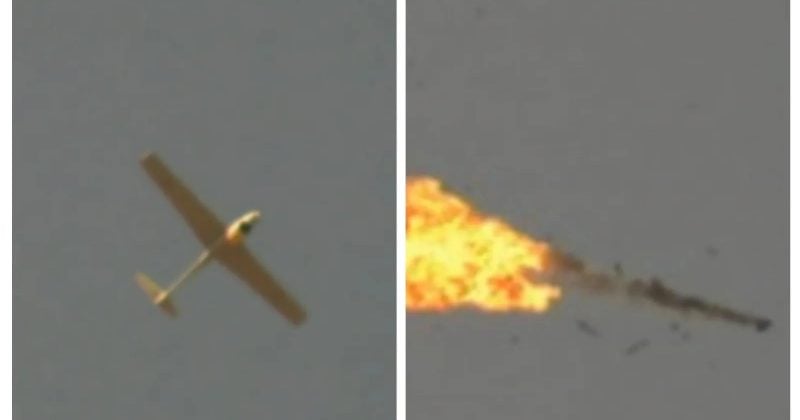
Iran’s air defense systems intercepted and destroyed a drone over southern Iran, according to Iranian military reports. The shoot-down is the latest in a series of claimed interceptions near some of the most strategically sensitive airspace on the planet, right next to the Strait of Hormuz, through which a massive chunk of global oil supply flows daily.
What we know (and what we don’t)
Iranian forces have reported multiple drone interceptions between late May and mid-July 2026, concentrated around Qeshm Island and Bandar Abbas in Hormozgan Province. Iran has claimed it used a domestically developed air defense system called Arash-e Kamangir to take down the aircraft.
Iranian sources identified some of the intercepted drones as the “Lukas” reconnaissance UAV and the Aeronautics Defense Orbiter, linking them to US or US-Israeli operations. No independent or Western source has corroborated those identifications.
The most notable historical parallel is the June 20, 2019, shoot-down of a US RQ-4A Global Hawk drone in the same general area. That incident nearly triggered a US military strike on Iran, with then-President Trump reportedly calling off the operation minutes before execution. It sent oil prices surging and rattled global markets.
The sanctions angle crypto investors should watch
The US imposed sanctions targeting four Iranian Central Bank crypto wallets in July 2026.
The news moving money, markets, and the world—before your day starts.
Daily. Free. Join 34,000+ readers across crypto, finance, and policy.
This is part of a broader pattern. Washington has increasingly used blockchain-targeted sanctions as a tool of economic warfare, from Iranian wallets to North Korean mixing services. Each new designation reinforces the idea that on-chain transparency cuts both ways. It enables permissionless finance, but it also gives sanctions enforcers a permanent, public ledger to work with.
Why the Strait of Hormuz matters for your portfolio
Historical patterns are instructive here. Past escalations between Iran and Israel, or Iran and the US, have typically produced swift but temporary sell-offs in Bitcoin and Ethereum. The mechanism is straightforward: when geopolitical risk spikes, investors shift to a risk-off posture. They sell volatile assets first.
The key qualifier with the current situation is that lack of independent verification. Markets are pretty good at distinguishing between verified military confrontations and unconfirmed claims. A confirmed US drone being shot down would be a fundamentally different event than an Iranian military press release about an unidentified aircraft.
The cadence of these reports — multiple claimed interceptions over roughly six weeks — suggests either genuine operational activity in the area or a deliberate Iranian messaging campaign. Watch for any confirmed engagement involving US or allied forces. Monitor oil price movements as a leading indicator of broader risk sentiment. And pay attention to sanctions designations, because those have the most direct and lasting impact on the crypto ecosystem’s plumbing.