
OECD forecasts AI boom to mitigate Middle East energy shock

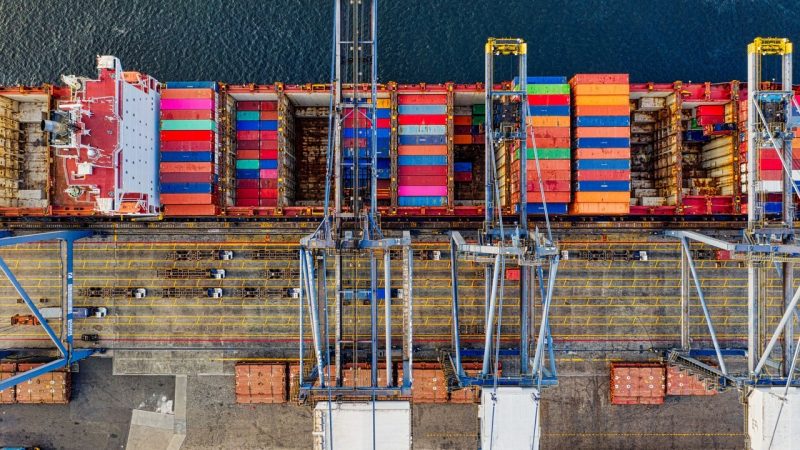
Photo: Tom Fisk / Pexels

OECD forecasts AI boom to mitigate Middle East energy shock

Global growth gets a tiny upgrade as AI-driven capital spending offsets persistent energy disruptions, but the inflation picture is getting worse

The global economy is doing slightly better than expected in 2026, and the reason is surprisingly specific: companies are spending enormous sums on data centers, chips, and AI infrastructure. That wave of capital expenditure is acting as a counterweight to an energy shock that keeps getting worse.

The OECD’s Interim Economic Outlook, released September 23, nudged its 2026 global GDP growth forecast up to 2.9%, from 2.8% in June. Not exactly a champagne-popping revision, but in an environment where an escalating Middle East conflict is squeezing oil and gas supply, holding steady counts as a win.

The AI cushion and the energy drag

The upgrade is largely a story about the United States. The OECD now projects US growth at 2.2% in 2026 and 2.1% in 2027, powered by capital pouring into AI-related infrastructure. Japan and South Korea are catching a tailwind too, benefiting as technology exporters to the AI buildout.

Advertisement

The Middle East conflict, which intensified in early 2026, has disrupted oil and gas supply enough to push energy prices meaningfully higher. Governments have leaned on strategic inventories and alternative supply sources to absorb the blow, but the OECD warns those buffers are depleting.

That entrenchment is showing up in the 2027 projections. Global growth for next year was downgraded to 3.0%, from 3.1% previously. The economy expanded 3.4% in 2025, so we’re watching a steady deceleration.

Inflation is the real problem

The OECD now expects G20 inflation to hit 4.1% in 2026, up from its June forecast of 4.0%. The 2027 inflation forecast saw a much sharper revision, jumping to 3.6% from a previously projected 3.1%.

The OECD also flagged a menu of downside risks that could make things considerably uglier. Continued energy market volatility, a strong El Niño event, rising bond yields, and disappointing returns on AI investments could collectively shave 0.7 percentage points off global growth in 2027. If those risks all materialize simultaneously, inflation could spike by an additional 1.1 percentage points.

Regional divergence and what to watch

The US is the standout performer, propped up by AI-driven investment. China is forecast to grow 4.5% in 2026 and 4.2% in 2027. The euro area is the laggard, stuck at a projected 1.0% growth for both 2026 and 2027.

Disclosure: This article was edited by Editorial Team. For more information on how we create and review content, see our Editorial Policy.
OECD forecasts AI boom to mitigate Middle East energy shock

Global growth gets a tiny upgrade as AI-driven capital spending offsets persistent energy disruptions, but the inflation picture is getting worse

Photo: Tom Fisk / Pexels

The global economy is doing slightly better than expected in 2026, and the reason is surprisingly specific: companies are spending enormous sums on data centers, chips, and AI infrastructure. That wave of capital expenditure is acting as a counterweight to an energy shock that keeps getting worse.

The OECD’s Interim Economic Outlook, released September 23, nudged its 2026 global GDP growth forecast up to 2.9%, from 2.8% in June. Not exactly a champagne-popping revision, but in an environment where an escalating Middle East conflict is squeezing oil and gas supply, holding steady counts as a win.

The AI cushion and the energy drag

The upgrade is largely a story about the United States. The OECD now projects US growth at 2.2% in 2026 and 2.1% in 2027, powered by capital pouring into AI-related infrastructure. Japan and South Korea are catching a tailwind too, benefiting as technology exporters to the AI buildout.

Advertisement

The Middle East conflict, which intensified in early 2026, has disrupted oil and gas supply enough to push energy prices meaningfully higher. Governments have leaned on strategic inventories and alternative supply sources to absorb the blow, but the OECD warns those buffers are depleting.

That entrenchment is showing up in the 2027 projections. Global growth for next year was downgraded to 3.0%, from 3.1% previously. The economy expanded 3.4% in 2025, so we’re watching a steady deceleration.

Inflation is the real problem

The OECD now expects G20 inflation to hit 4.1% in 2026, up from its June forecast of 4.0%. The 2027 inflation forecast saw a much sharper revision, jumping to 3.6% from a previously projected 3.1%.

The OECD also flagged a menu of downside risks that could make things considerably uglier. Continued energy market volatility, a strong El Niño event, rising bond yields, and disappointing returns on AI investments could collectively shave 0.7 percentage points off global growth in 2027. If those risks all materialize simultaneously, inflation could spike by an additional 1.1 percentage points.

Regional divergence and what to watch

The US is the standout performer, propped up by AI-driven investment. China is forecast to grow 4.5% in 2026 and 4.2% in 2027. The euro area is the laggard, stuck at a projected 1.0% growth for both 2026 and 2027.

Disclosure: This article was edited by Editorial Team. For more information on how we create and review content, see our Editorial Policy.