
Via en.wikipedia.org
Oil prices rise after Iran halts ships in Strait of Hormuz, and crypto markets are watching
Geopolitical tensions in the world's most critical oil chokepoint could ripple into digital asset markets if the situation escalates
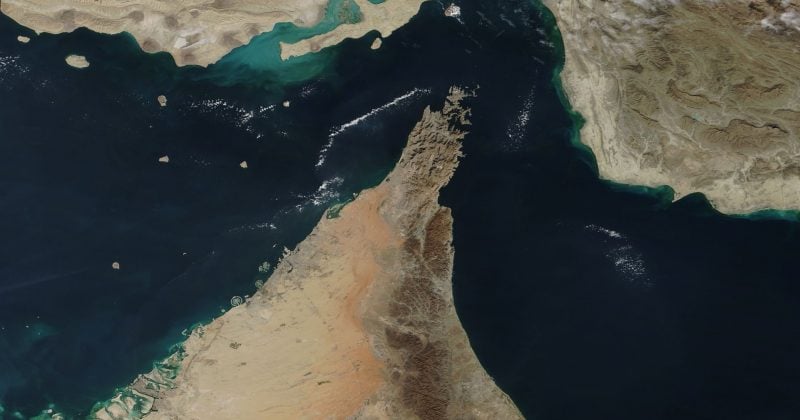
Iran reportedly halted ships transiting the Strait of Hormuz, sending oil prices higher and injecting fresh uncertainty into global markets. The narrow waterway between Iran and Oman is the single most important oil transit corridor on the planet, and any disruption there tends to rattle everything from crude benchmarks to risk assets, crypto included.
Why the Strait of Hormuz matters to everyone
Roughly 20% of the world’s oil consumption transits through the Strait of Hormuz every single day. It’s about 21 miles wide at its narrowest point, and tankers carrying crude from Saudi Arabia, Iraq, Kuwait, and the UAE all funnel through it.
Historically, even the suggestion of disruptions in this corridor has been enough to spike Brent and WTI crude prices. Past incidents involving Iranian seizures of tankers or confrontations with naval vessels have reliably produced sharp, if sometimes short-lived, jumps in oil benchmarks.
What crypto investors should actually watch
The first thing to monitor is duration. A brief confrontation that resolves in hours or days tends to produce a spike-and-fade pattern in oil prices, with minimal lasting impact on crypto. A sustained blockade or military escalation is an entirely different scenario, one that could reshape macro conditions for weeks or months.
Macro, rates, and crypto—what moved markets and what matters next.
Daily. Free. Join 34,000+ readers across crypto, finance, and policy.
Second, watch inflation expectations. The bond market will price in higher inflation before the headlines catch up. If breakeven inflation rates start climbing on the back of this news, that’s a signal the market believes energy disruptions will stick around long enough to matter.
Third, pay attention to how Bitcoin behaves relative to gold. In genuine geopolitical risk-off events, gold tends to outperform Bitcoin in the short term. If that gap widens significantly, it suggests institutional capital is flowing to traditional safe havens rather than digital ones, a bearish signal for crypto in the near term.