
OPEC+ likely to pause oil output hikes after September 2026, and crypto markets should pay attention

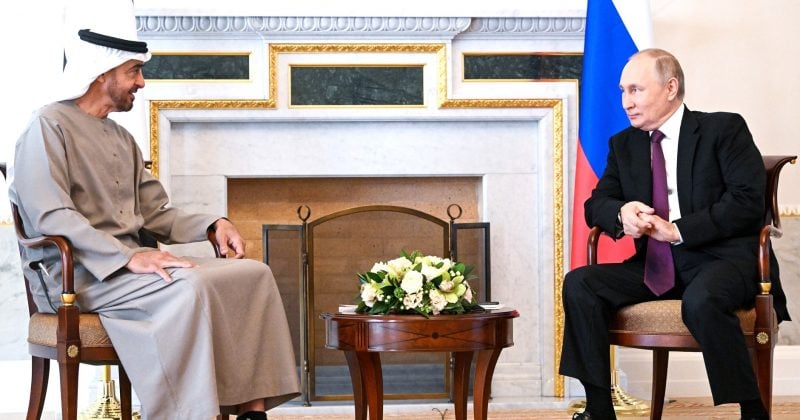
Photo: Presidential Executive Office of Russia / Wikimedia Commons / CC BY 4.0 (https://creativecommons.org/licenses/by/4.0)

OPEC+ likely to pause oil output hikes after September 2026, and crypto markets should pay attention

The oil cartel plans to finish unwinding voluntary production cuts by September, then hit pause for the rest of 2026, a move with ripple effects across risk assets including crypto.

OPEC+ is preparing to slam the brakes on its production increases after September, leaving output policy unchanged through the end of 2026. The decision signals that the world’s most influential oil cartel is getting nervous about oversupply, and that anxiety tends to spread well beyond crude futures.

Seven key OPEC+ members, including Saudi Arabia and Russia, approved an August production increase during a July 6 decision, continuing the group’s strategy of monthly hikes targeting approximately 188,000 barrels per day. But once the voluntary cuts are fully unwound by the end of September, the taps stop opening further.

The unwinding math

OPEC+ has been gradually reversing voluntary production cuts since April 2025, releasing an estimated 2.9 million barrels per day back into global markets over that stretch. The June 7 ministerial meeting reaffirmed the group’s flexibility to pause or adjust increases depending on market conditions.

OPEC+ already pumped the brakes once during Q1 2026 when seasonal demand weakness made additional supply look reckless. The August and September increases represent the final chapters of the unwinding plan. After that, group-wide output policy stays frozen through December 2026, with reviews for 2027 baselines happening behind closed doors.

Advertisement

Saudi Arabia and Russia reportedly signed off on the August hike after receiving positive market signals following geopolitical disruptions near the Strait of Hormuz.

Why oil moves matter for crypto

When oil prices fall due to oversupply concerns, inflation expectations typically cool. Cooler inflation expectations give central banks more room to cut rates or at least hold off on tightening. Lower rates mean cheaper capital. Cheaper capital means more money flowing into risk assets. And crypto, for better or worse, trades like a risk asset.

The reverse is also true. If OPEC+ pauses hikes and supply tightens, oil prices could stabilize or rise, keeping inflationary pressure alive and giving central banks reason to stay hawkish.

The 2.9 million barrels per day that OPEC+ has released since April 2025 represents a meaningful supply injection. That volume contributed to softer oil prices over the period, which in turn helped ease some inflationary pressure globally. The planned pause after September could reverse that dynamic, or at minimum, stop the deflationary tailwind.

What investors should actually watch

Traders should watch for how crude benchmarks respond in the weeks after the September unwinding is complete. If oil prices stabilize or drift lower despite the pause in OPEC+ hikes, it would suggest demand weakness is the dominant force, which could paradoxically be bullish for crypto by keeping rate-cut expectations alive.

If prices spike because the pause creates a perceived supply shortage, higher energy costs feed directly into CPI prints, and hot inflation data has historically been kryptonite for risk assets including Bitcoin and Ethereum.

The Strait of Hormuz disruptions that motivated the August hike approval add another wildcard. Geopolitical risk in oil transit chokepoints can cause price spikes that have nothing to do with fundamentals, and those spikes create the kind of macro uncertainty that whipsaws every asset class.

OPEC+ has essentially telegraphed its playbook through December 2026. The real question is whether the global economy cooperates with the script, or whether demand surprises force yet another round of improvisational adjustments from Riyadh and Moscow.

Disclosure: This article was edited by Editorial Team. For more information on how we create and review content, see our Editorial Policy.

OPEC+ likely to pause oil output hikes after September 2026, and crypto markets should pay attention

OPEC+ likely to pause oil output hikes after September 2026, and crypto markets should pay attention

The oil cartel plans to finish unwinding voluntary production cuts by September, then hit pause for the rest of 2026, a move with ripple effects across risk assets including crypto.

Photo: Presidential Executive Office of Russia / Wikimedia Commons / CC BY 4.0 (https://creativecommons.org/licenses/by/4.0)

OPEC+ is preparing to slam the brakes on its production increases after September, leaving output policy unchanged through the end of 2026. The decision signals that the world’s most influential oil cartel is getting nervous about oversupply, and that anxiety tends to spread well beyond crude futures.

Seven key OPEC+ members, including Saudi Arabia and Russia, approved an August production increase during a July 6 decision, continuing the group’s strategy of monthly hikes targeting approximately 188,000 barrels per day. But once the voluntary cuts are fully unwound by the end of September, the taps stop opening further.

The unwinding math

OPEC+ has been gradually reversing voluntary production cuts since April 2025, releasing an estimated 2.9 million barrels per day back into global markets over that stretch. The June 7 ministerial meeting reaffirmed the group’s flexibility to pause or adjust increases depending on market conditions.

OPEC+ already pumped the brakes once during Q1 2026 when seasonal demand weakness made additional supply look reckless. The August and September increases represent the final chapters of the unwinding plan. After that, group-wide output policy stays frozen through December 2026, with reviews for 2027 baselines happening behind closed doors.

Advertisement

Saudi Arabia and Russia reportedly signed off on the August hike after receiving positive market signals following geopolitical disruptions near the Strait of Hormuz.

Why oil moves matter for crypto

When oil prices fall due to oversupply concerns, inflation expectations typically cool. Cooler inflation expectations give central banks more room to cut rates or at least hold off on tightening. Lower rates mean cheaper capital. Cheaper capital means more money flowing into risk assets. And crypto, for better or worse, trades like a risk asset.

The reverse is also true. If OPEC+ pauses hikes and supply tightens, oil prices could stabilize or rise, keeping inflationary pressure alive and giving central banks reason to stay hawkish.

The 2.9 million barrels per day that OPEC+ has released since April 2025 represents a meaningful supply injection. That volume contributed to softer oil prices over the period, which in turn helped ease some inflationary pressure globally. The planned pause after September could reverse that dynamic, or at minimum, stop the deflationary tailwind.

What investors should actually watch

Traders should watch for how crude benchmarks respond in the weeks after the September unwinding is complete. If oil prices stabilize or drift lower despite the pause in OPEC+ hikes, it would suggest demand weakness is the dominant force, which could paradoxically be bullish for crypto by keeping rate-cut expectations alive.

If prices spike because the pause creates a perceived supply shortage, higher energy costs feed directly into CPI prints, and hot inflation data has historically been kryptonite for risk assets including Bitcoin and Ethereum.

The Strait of Hormuz disruptions that motivated the August hike approval add another wildcard. Geopolitical risk in oil transit chokepoints can cause price spikes that have nothing to do with fundamentals, and those spikes create the kind of macro uncertainty that whipsaws every asset class.

OPEC+ has essentially telegraphed its playbook through December 2026. The real question is whether the global economy cooperates with the script, or whether demand surprises force yet another round of improvisational adjustments from Riyadh and Moscow.

Disclosure: This article was edited by Editorial Team. For more information on how we create and review content, see our Editorial Policy.