
Samsung quarterly profit surges to $80 billion on AI chip demand

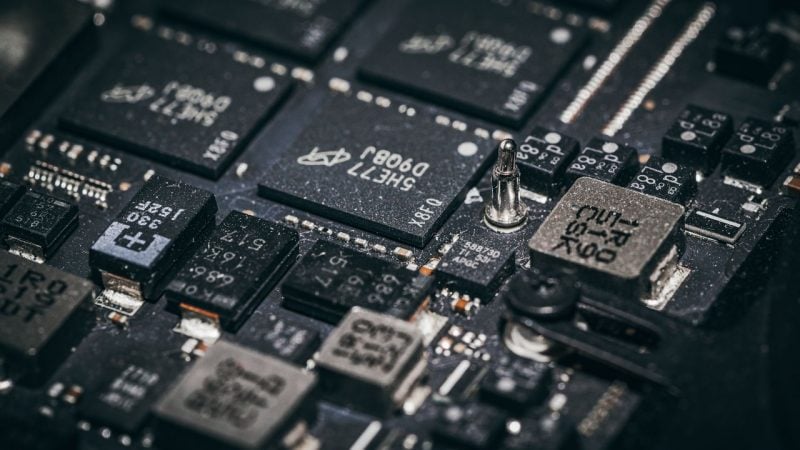
Photo: Jakub Pabis / Pexels

Samsung quarterly profit surges to $80 billion on AI chip demand

The Korean giant posted a record 107.4 trillion won operating profit as AI memory demand and a chip shortage kept prices climbing

Samsung Electronics just posted the kind of quarter that usually only shows up in investor fan fiction. Operating profit for the third quarter of 2026 hit a record 107.4 trillion won, approximately $80 billion, up 782.5% from the same period a year earlier.

That makes Samsung the first South Korean company to clear 100 trillion won in operating profit in a single quarter.

Where the money came from

Samsung’s Device Solutions division, its semiconductor arm, accounted for nearly all of the quarter’s profit. The phones, TVs and appliances most consumers associate with the brand were supporting cast this time.

The headline product is high-bandwidth memory, or HBM. Think of a regular memory chip as a single-lane road feeding data to a processor. HBM stacks chips vertically and widens that road into a multi-lane highway, which is exactly what AI accelerators need to keep their processors fed.

Enterprise-grade DRAM and SSD storage also pulled their weight. Data centers building out AI infrastructure need fast memory and fast storage, and they appear willing to pay up for both.

Advertisement

Revenue climbed to 195 trillion won, a 126.6% increase year-over-year. That figure did land slightly below some analyst forecasts.

A streak, not a fluke

This is not a one-off spike. The quarter marks Samsung’s fourth consecutive record for operating profit, a run that began in late 2025.

Operating profit also rose 20% from the previous quarter.

The research findings also indicate the result surpasses a former record held by Nvidia.

Samsung’s position in the HBM race has shifted, too. According to Counterpoint, Samsung’s share of the HBM market rose from 21% to 33% in recent quarters.

A big part of that story is HBM4, the sixth generation of the technology. Production began earlier this year, and sales are starting to make a meaningful contribution. The research points to a narrowing gap between Samsung and its domestic rival SK Hynix in this segment.

Detailed earnings, including a fuller breakdown by division, are expected later in October 2026.

The chipflation backdrop

Strong demand is only half the equation. The other half is a persistent memory shortage, driven in part by spending on AI infrastructure.

When buyers want more chips than manufacturers can produce, prices go up. The industry has started calling this “chipflation.”

For Samsung, that dynamic is a gift. Higher prices on products it was already selling in volume translate almost directly into fatter margins. The 782.5% profit jump makes more sense when both volume and pricing are moving in the same direction at once.

Disclosure: This article was edited by Diego Almada Lopez. For more information on how we create and review content, see our Editorial Policy.
Samsung quarterly profit surges to $80 billion on AI chip demand

The Korean giant posted a record 107.4 trillion won operating profit as AI memory demand and a chip shortage kept prices climbing

Photo: Jakub Pabis / Pexels

Samsung Electronics just posted the kind of quarter that usually only shows up in investor fan fiction. Operating profit for the third quarter of 2026 hit a record 107.4 trillion won, approximately $80 billion, up 782.5% from the same period a year earlier.

That makes Samsung the first South Korean company to clear 100 trillion won in operating profit in a single quarter.

Where the money came from

Samsung’s Device Solutions division, its semiconductor arm, accounted for nearly all of the quarter’s profit. The phones, TVs and appliances most consumers associate with the brand were supporting cast this time.

The headline product is high-bandwidth memory, or HBM. Think of a regular memory chip as a single-lane road feeding data to a processor. HBM stacks chips vertically and widens that road into a multi-lane highway, which is exactly what AI accelerators need to keep their processors fed.

Enterprise-grade DRAM and SSD storage also pulled their weight. Data centers building out AI infrastructure need fast memory and fast storage, and they appear willing to pay up for both.

Advertisement

Revenue climbed to 195 trillion won, a 126.6% increase year-over-year. That figure did land slightly below some analyst forecasts.

A streak, not a fluke

This is not a one-off spike. The quarter marks Samsung’s fourth consecutive record for operating profit, a run that began in late 2025.

Operating profit also rose 20% from the previous quarter.

The research findings also indicate the result surpasses a former record held by Nvidia.

Samsung’s position in the HBM race has shifted, too. According to Counterpoint, Samsung’s share of the HBM market rose from 21% to 33% in recent quarters.

A big part of that story is HBM4, the sixth generation of the technology. Production began earlier this year, and sales are starting to make a meaningful contribution. The research points to a narrowing gap between Samsung and its domestic rival SK Hynix in this segment.

Detailed earnings, including a fuller breakdown by division, are expected later in October 2026.

The chipflation backdrop

Strong demand is only half the equation. The other half is a persistent memory shortage, driven in part by spending on AI infrastructure.

When buyers want more chips than manufacturers can produce, prices go up. The industry has started calling this “chipflation.”

For Samsung, that dynamic is a gift. Higher prices on products it was already selling in volume translate almost directly into fatter margins. The 782.5% profit jump makes more sense when both volume and pricing are moving in the same direction at once.

Disclosure: This article was edited by Diego Almada Lopez. For more information on how we create and review content, see our Editorial Policy.