
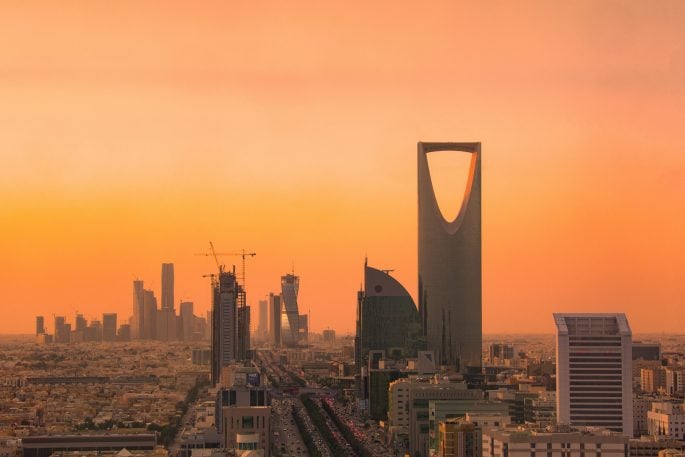
Saudi Arabia’s attempts to attract international investment are facing significant challenges following deadly attacks on Riyadh’s King Khalid International Airport. The attacks, attributed to the Iran-backed Houthi movement, resulted in the deaths of at least 13 people and injured more than 300. These events have led several major companies, including BP and Shell, to withdraw their executives from upcoming international events in the kingdom, indicating security concerns. As the situation unfolds, market participants are considering the potential for a temporary closure of Saudi airspace, which could further impact investment and economic activities.
Key Takeaways
- Market behavior suggests increased likelihood of Saudi airspace closure due to recent attacks, with odds for a closure by January 1, 2027, rising to 19.5%.
- The attacks have already caused major international companies to reconsider their participation in Saudi Arabia’s economic events, indicating potential long-term impacts on the kingdom’s diversification efforts.
- Recent developments in the Saudi airspace market reflect heightened security risks, with a significant 16-point increase in probabilities for airspace closure in early 2027.
What to Watch
Observers should monitor announcements from Saudi aviation authorities, including the Saudi General Authority of Civil Aviation (GACA) and Saudi Air Navigation Services (SANS), for potential airspace closure updates. Additionally, any further escalation in the conflict with Houthi forces could influence market perceptions and the likelihood of airspace restrictions. Key dates for potential developments include the World Petroleum Congress and the Future Investment Initiative, as their proceeding or cancellation could provide indicators of the kingdom’s security situation.