
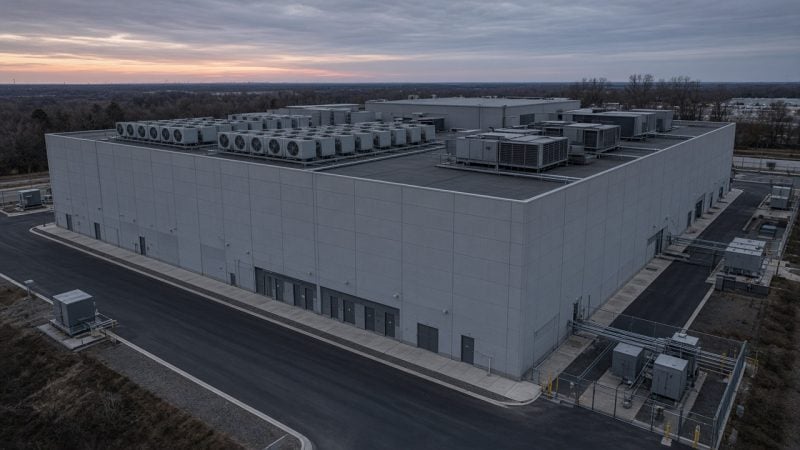
AI data centers are adopting new cooling technologies that reduce local water usage but increase overall water consumption at power plants supplying electricity. This development involves major operators like Nvidia, Microsoft, Amazon Web Services, and Meta, who are implementing closed-loop or air-cooling systems. While these systems reduce on-site water usage, they necessitate increased electricity consumption, thereby transferring the water demand burden to thermoelectric power plants. The Lawrence Berkeley National Laboratory has highlighted this trade-off, estimating significant indirect water usage through electricity generation compared to direct data center consumption.
Key Takeaways
- The shift to new cooling technologies in AI data centers appears to reduce local water usage while increasing demand for electricity, impacting overall water consumption.
- Observers suggest this could lead to discussions about potential regulations, particularly in water-stressed areas like Texas.
- Market pricing for a Texas data center moratorium by December 2027 indicates increased interest, with a notable rise from 16% to 20% YES over the past day.
What to Watch
The developments around AI data centers’ cooling technology may prompt regulatory discussions in Texas, potentially affecting the likelihood of a moratorium. Key actors such as the Texas Commission on Environmental Quality and the Electric Reliability Council of Texas will be critical in these discussions. Observers should watch for any legislative or executive actions from Texas Governor Greg Abbott that could indicate regulatory changes. Additionally, monitoring any announcements from major utilities or audits by ERCOT could provide further indications of potential policy shifts.