
Saudi pipeline shutdown threatens a key route for global oil supplies

Saudi pipeline shutdown threatens a key route for global oil supplies

The East-West pipeline bypasses the Strait of Hormuz, but drone damage has disrupted flows as Saudi Arabia works to restore capacity.


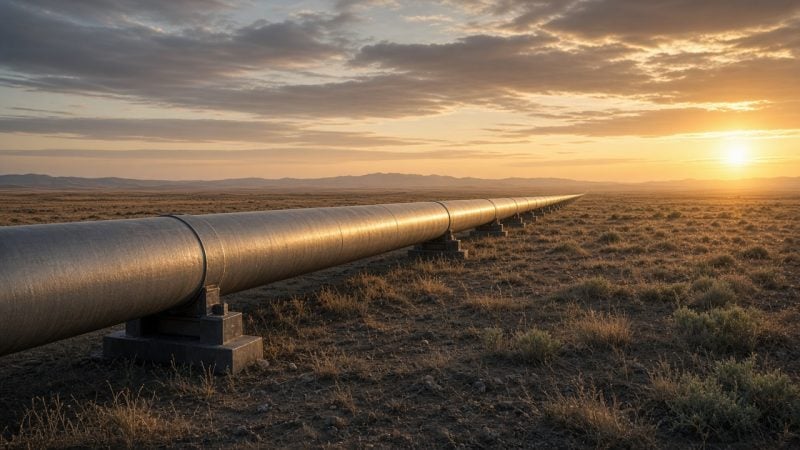
Saudi Arabia’s East-West oil pipeline has been shut after drone damage, removing a key route that allowed the world’s biggest crude exporter to bypass disruption in the Strait of Hormuz.

The pipeline was damaged in mid-September by drones launched from Iraq, where Iran-backed militias operate. The shutdown comes as global oil supply has already been squeezed by the prolonged impasse over reopening Hormuz and attacks by Yemen’s Houthi rebels.

Advertisement

State-run Saudi Aramco is seeking to restore the line to about half capacity within days and full capacity in roughly six weeks, according to a person familiar with the matter. Oil prices remain around $100 a barrel despite pulling back from recent gains.

The 1,200-kilometer pipeline links Saudi oil fields in the east with the Red Sea port of Yanbu. About 2 million barrels a day carried through the line is used domestically, mainly by refineries on the Red Sea.

Before the current war, the pipeline moved about 2.8 million barrels a day, below its 7 million-barrel daily capacity. After tanker traffic through Hormuz halted, Aramco increased flows to the maximum and shipments from Yanbu reached as much as 4.7 million barrels a day in June, equal to about 5% of global supply.

With the pipeline offline, Saudi Arabia can load vessels using oil stored at Yanbu, but inventories are near historic lows. Aramco has delayed some deliveries to European buyers and is seeking to increase shipments through Hormuz, though it is unclear how quickly those flows can offset the disruption.

Disclosure: This article was edited by Editorial Team. For more information on how we create and review content, see our Editorial Policy.
Saudi pipeline shutdown threatens a key route for global oil supplies

The East-West pipeline bypasses the Strait of Hormuz, but drone damage has disrupted flows as Saudi Arabia works to restore capacity.

Share

Add us on Google

Saudi Arabia’s East-West oil pipeline has been shut after drone damage, removing a key route that allowed the world’s biggest crude exporter to bypass disruption in the Strait of Hormuz.

The pipeline was damaged in mid-September by drones launched from Iraq, where Iran-backed militias operate. The shutdown comes as global oil supply has already been squeezed by the prolonged impasse over reopening Hormuz and attacks by Yemen’s Houthi rebels.

Advertisement

State-run Saudi Aramco is seeking to restore the line to about half capacity within days and full capacity in roughly six weeks, according to a person familiar with the matter. Oil prices remain around $100 a barrel despite pulling back from recent gains.

The 1,200-kilometer pipeline links Saudi oil fields in the east with the Red Sea port of Yanbu. About 2 million barrels a day carried through the line is used domestically, mainly by refineries on the Red Sea.

Before the current war, the pipeline moved about 2.8 million barrels a day, below its 7 million-barrel daily capacity. After tanker traffic through Hormuz halted, Aramco increased flows to the maximum and shipments from Yanbu reached as much as 4.7 million barrels a day in June, equal to about 5% of global supply.

With the pipeline offline, Saudi Arabia can load vessels using oil stored at Yanbu, but inventories are near historic lows. Aramco has delayed some deliveries to European buyers and is seeking to increase shipments through Hormuz, though it is unclear how quickly those flows can offset the disruption.

Disclosure: This article was edited by Editorial Team. For more information on how we create and review content, see our Editorial Policy.