
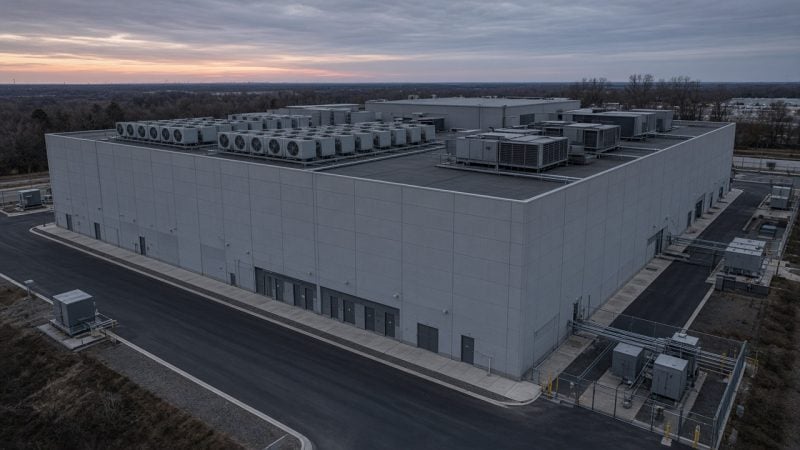
The Senate’s Ratepayer Protection Act, aimed at capping electricity bill hikes associated with data centers, has not secured the necessary votes to progress further in the U.S. Senate. Sponsored by Senator Jon Husted, the legislation faced procedural opposition from Senator Martin Heinrich. Despite passing overwhelmingly in the House, the bill has encountered significant hurdles in the Senate, failing to meet the 60-vote threshold needed to advance. This development suggests ongoing political contention surrounding the legislation, which remains short of the support required to become law in its current form. The voting process continues as the Senate deliberates on the issue.
Key Takeaways
- The failure of the bill to advance may indicate reduced regulatory pressure on data centers, potentially decreasing the likelihood of a moratorium in Texas.
- The Senate’s inability to move the bill forward appears to reflect significant political divisions, impacting the broader legislative outlook on data center regulations.
- Observations indicate that the current legislative impasse could influence related markets, such as utilities, which are closely tied to grid-upgrade costs and energy policies.
What to Watch
Market participants may pay close attention to further developments in the Senate as voting continues. Key indicators will include any shifts in political alignments that could alter the bill’s prospects. Additionally, stakeholders will likely monitor responses from state-level actors like the Texas Legislature, as the outcome may affect local regulatory actions concerning data centers. Watch for statements from key figures such as Texas Governor Greg Abbott and related agencies, which could provide further insights into the regulatory environment.